SEGMENT 1 — BEFORE THE ROOMS OPENED
Tone: Reflective
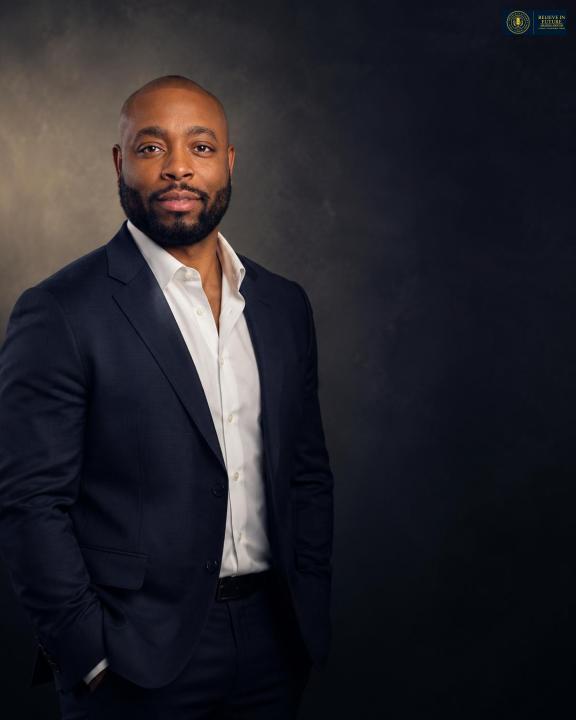
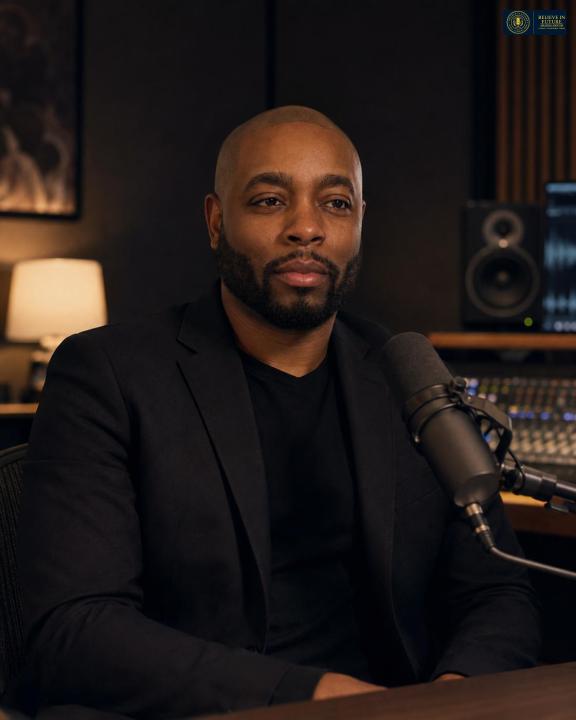
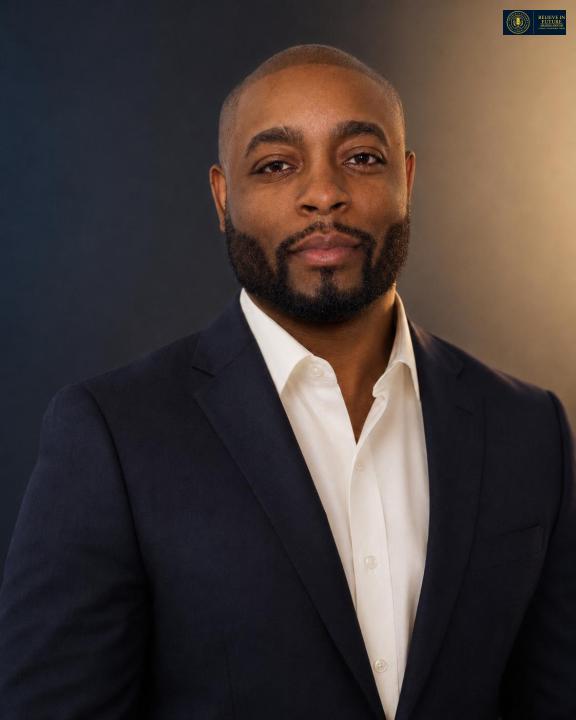
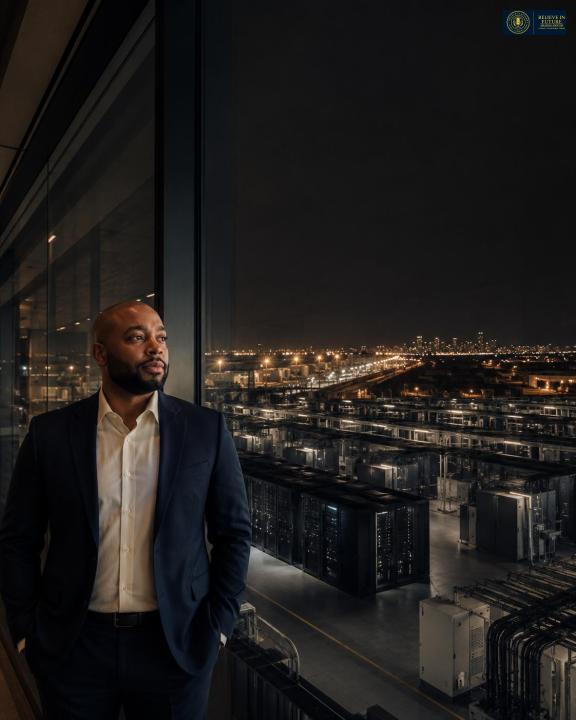
Kvon, today people see the entrepreneur, the veteran and the global relationships.
But take me back before all of that.
1. When you were growing up, what did you imagine your future would look like—and how different is your life today from what that young Kvon expected?
2. What did serving in the U.S. Air Force teach you about discipline, responsibility and leadership that you still carry today?
And equally—
what did you eventually have to unlearn?
3. Tell me about one early failure that felt painful or embarrassing at the time, but ultimately changed the direction of your life.
4. Was there ever a period when ambition became a way of avoiding something personally difficult?
How did you learn the difference between building from purpose and simply staying busy?
SEGMENT 2 — MISSION-GRADE THINKING
Tone: Analytical
Let's move from the individual to the builder.
5. The business world loves ideas. You seem much more interested in execution. Why do you believe execution is often rarer than intelligence?
6. When an organisation repeatedly fails, how do you determine whether the problem is the people—or the system those people are operating inside?
7. AI is now being added to almost every corporate presentation. How much of today's AI conversation represents genuine transformation, and how much is simply hype?
8. Before a company claims it is “AI-ready,” what foundations should actually exist?
9. In mission-critical environments, reliability costs money and sometimes slows execution. How do you balance speed, cost and resilience?
10. What is one mission-grade habit a young entrepreneur can adopt tomorrow without spending any money?
SEGMENT 3 — THE ARCHITECTURE OF ACCESS
Tone: Strategic / Global
You've operated across business, technology, institutions and global relationships.
So let us talk about something most people rarely see clearly—
power.
11. How does influence actually move in the real world?
Is it money?
Policy?
Relationships?
Timing?
Or the ability to connect all four?
12. What is the difference between networking and genuinely building institutional relationships?
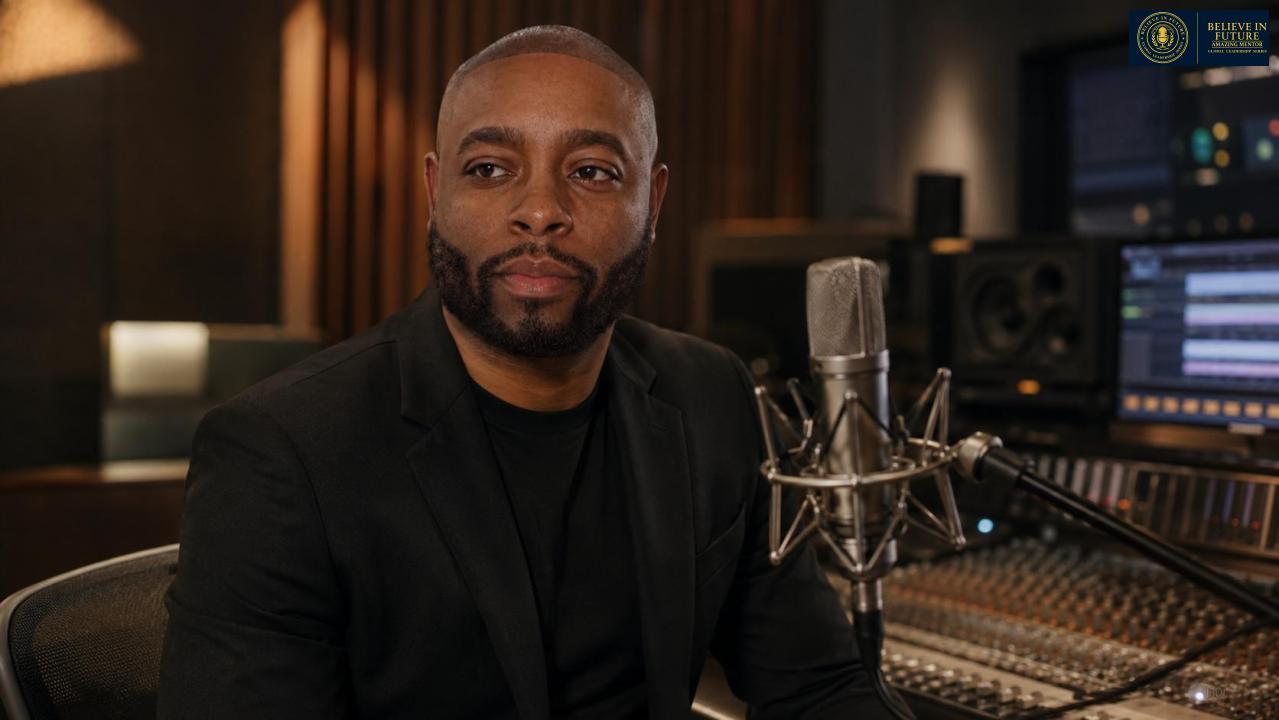
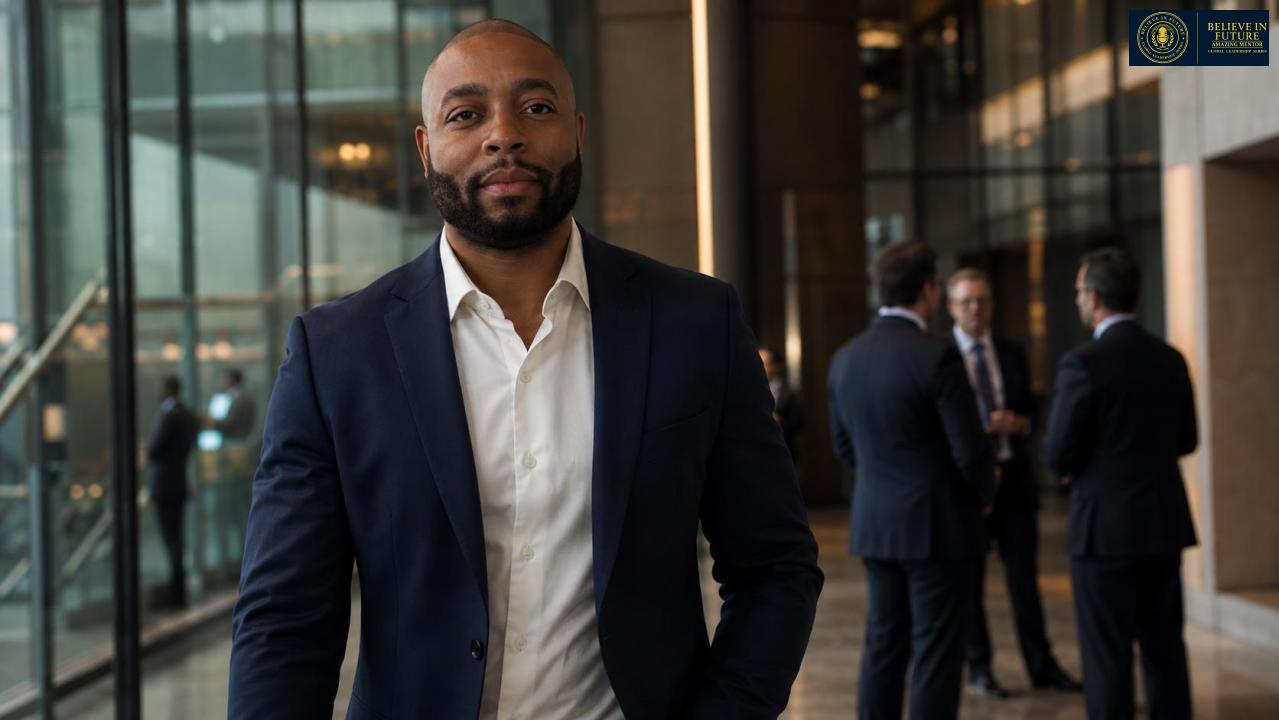
13. Two equally talented people can work equally hard, but one begins with introductions, mentors and capital while the other doesn't even know the room exists. How much of success is merit—and how much is access?
14. Once somebody gains access to powerful networks, do they have a responsibility to open those networks to others?
15. Which is harder: creating wealth, preserving wealth, or raising the next generation to manage wealth responsibly?
16. Do you remember the first time you entered a genuinely influential room and privately wondered, “How did I get here?”
Did you feel that you belonged?
SEGMENT 4 — WHO GETS A SECOND CHANCE?
Tone: Bold / Controversy & Clarity
Now I want to challenge you.
You have spoken publicly about criminal-justice reform, second chances, AI accountability and re-entry opportunities.
17. Critics of criminal-justice reform sometimes argue that compassion for offenders can unintentionally minimise the experience of victims. How do we protect second chances without weakening accountability or public safety?
18. You have questioned cash-bail systems for certain non-violent offences. What do people misunderstand about that position—and what would a better alternative look like?
19. Should an algorithm ever meaningfully influence whether a human being loses his or her freedom?
If yes, what safeguards are absolutely non-negotiable?
20. You work around capital, influential institutions and global networks while also speaking about people excluded from those systems. Can elite networks genuinely solve inequality when those same networks can sometimes reproduce inequality?
21. How much of your belief in second chances comes from intellectual or policy analysis—and how much comes from your own life experience?
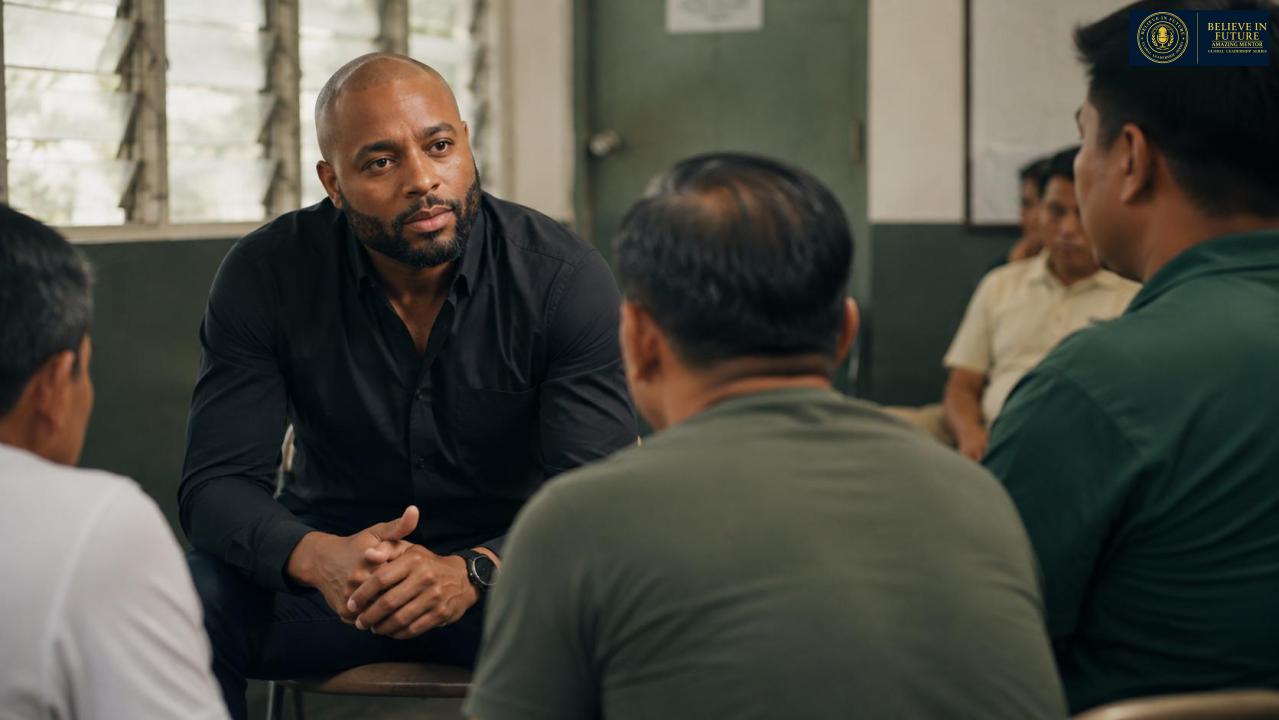
22. You have spent time speaking with people inside correctional facilities. Was there one person, one conversation or one moment that stayed with you after you walked outside?
Why?
SEGMENT 5 — BUILD BEFORE YOU BELONG
Tone: Mentorship
Let's speak directly to somebody watching us who has ability—
but no influential family,
no meaningful capital,
and no powerful network.
23. How long should someone continue after repeatedly hearing “no”?
And how can they tell the difference between perseverance and delusion?
24. Imagine you are mentoring a smart, ambitious 23-year-old with almost no money or connections. Give them a three-year strategy. What should they learn, build and prioritise?
25. What should young ambitious people completely stop wasting their time on?
26. Which credentials genuinely open valuable doors—and which ones have become expensive substitutes for real capability?
27. What makes someone worth choosing as a mentor?
Achievement?
Character?
Experience?
The willingness to challenge you?
28. What is one piece of advice you ignored when you were younger but later realised was completely right?
29. Finish this sentence:
“Young leaders would move twice as fast if they stopped...”
SEGMENT 6 — NO BRIEFING NOTES
Tone: Truth & Dare / Playful
All right.
No long answers.
No boardroom language.
First instinct.
30. Which version of Kvon Royale is more dangerous—the military man, the entrepreneur or the artist?
31. What is one thing ordinary people misunderstand about wealthy or powerful people?
32. Boardroom or recording studio—which one reveals the real Kvon faster?
33. Give me your most unpopular leadership opinion in ten words or fewer.
34. Which is hardest for you personally: asking for money, asking for help, apologising, or walking away?
35. One word you never want people to use when describing you?
36. Money or influence?
37. Intelligence or discipline?
38. Strategy or instinct?
39. Success or freedom?
40. You can send one twenty-second voice message to your 20-year-old self. What do you say?
SEGMENT 7 — THE NEXT ROOM
Tone: Visionary
Let's finish by looking forward.
41. What does society lose when veterans are viewed primarily as people transitioning into jobs rather than as potential entrepreneurs, diplomats, policymakers and institutional leaders?
42. If you could build the ideal global-leadership programme for veterans tomorrow, what would it teach?
43. Which force will change society most over the next decade—AI, geopolitics, infrastructure, concentration of capital, climate, or demographic change?
Why?
44. What major change do you believe today's leaders are dramatically underestimating?
45. If you could redesign one institution from the ground up, which would you choose—and what would you refuse to carry into the new version?
46. There are two kinds of ambition. One says, “Remember my name.” The other says, “Let what I built continue working after I'm gone.” Which one matters more to you today?
47. Twenty-five years from now, what would need to exist for Kvon Royale to look back and say:
“That was worth my life.”
SIGNATURE FINAL QUESTION
[Slow down. Softer delivery.]
Kvon...
I want you to forget the company.
Forget the titles.
Forget the network.
Imagine there is a young person watching this conversation many years from now.
Maybe they are experiencing failure.
Maybe nobody believes in them.
Maybe they don't have access.
Maybe they cannot yet see the road ahead.
What message would you like to leave for the next generation?