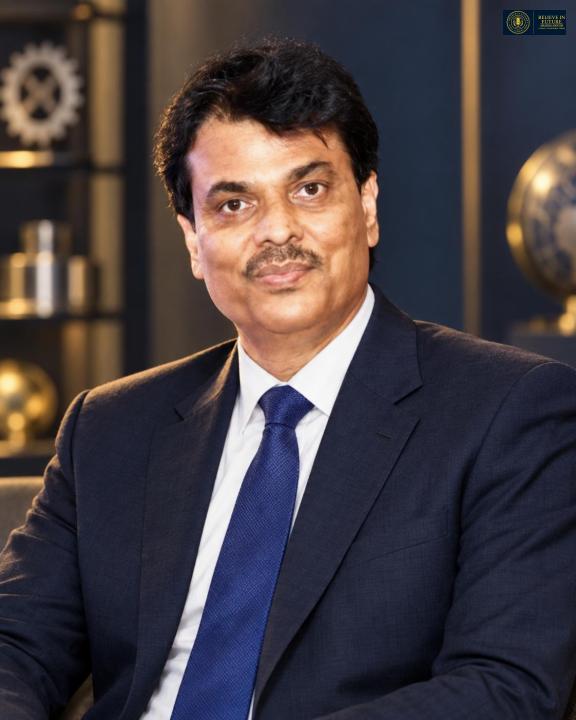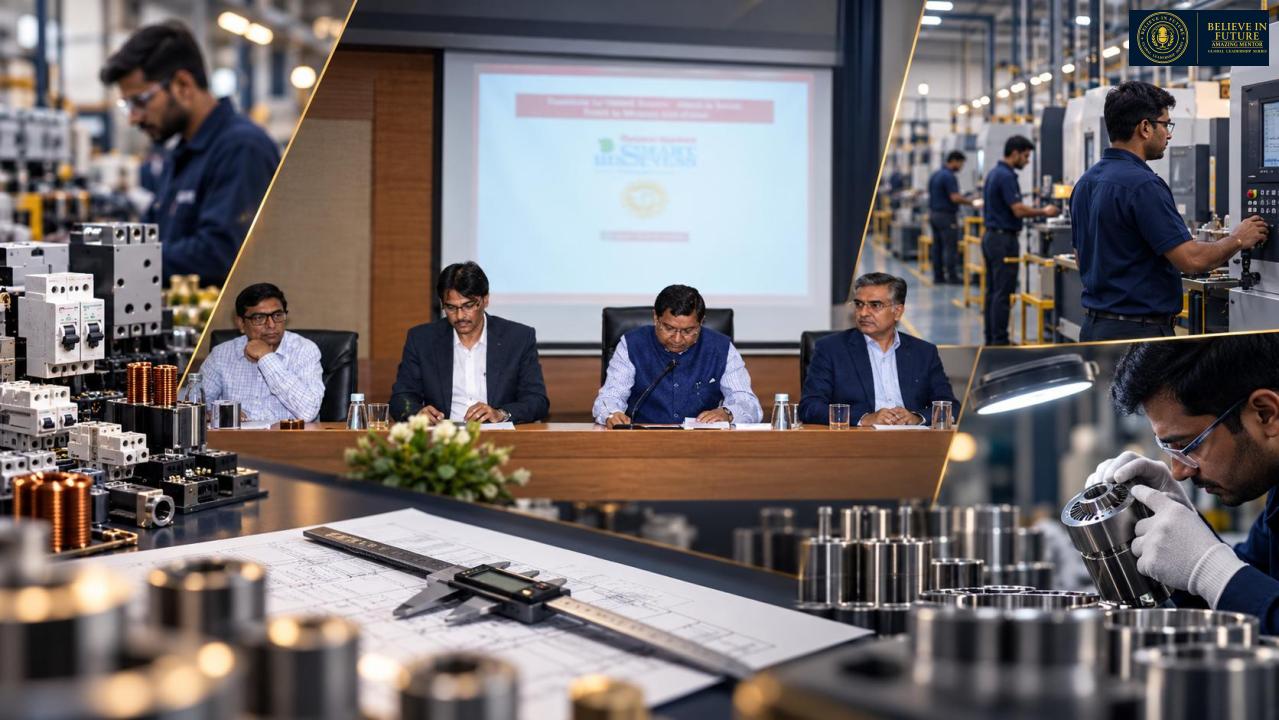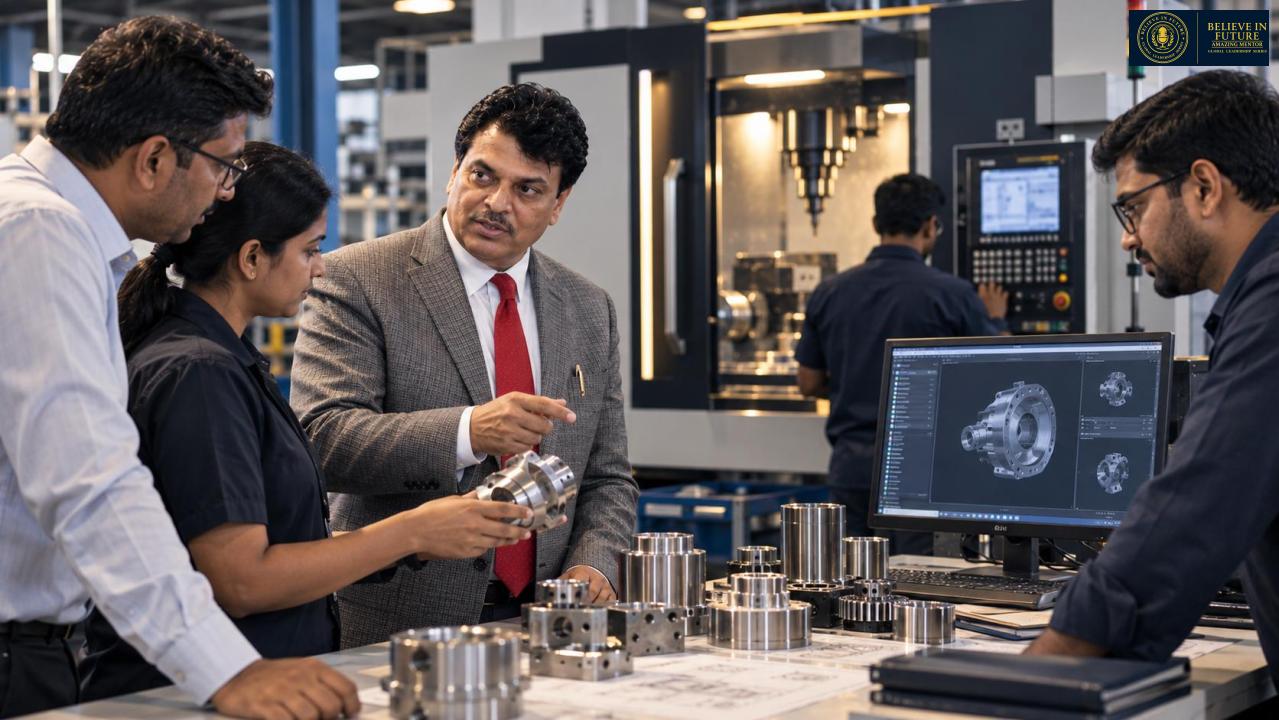
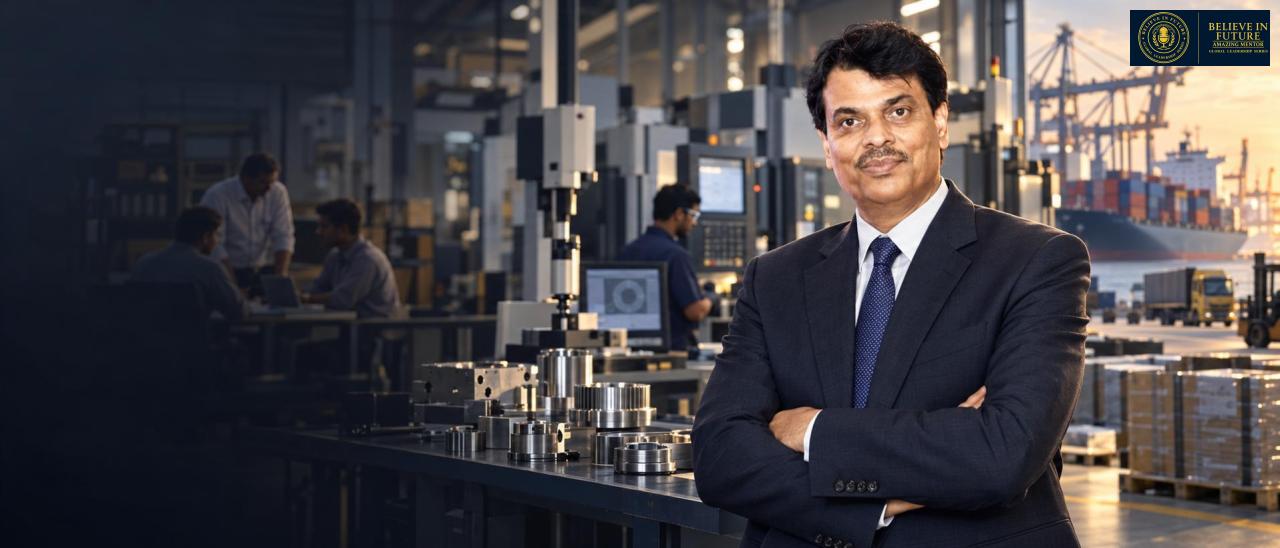

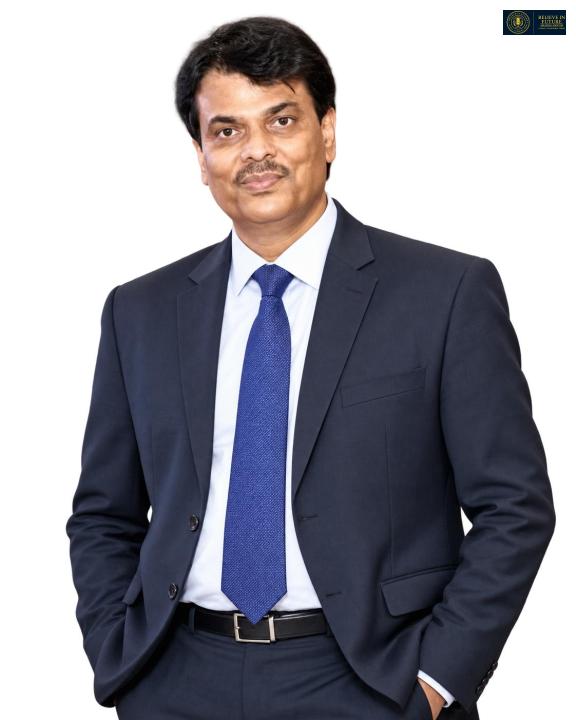

P. K. Jha is a senior MSME expert and public-sector leader whose career spans more than three decades across entrepreneurship development, corporate planning, public administration, government policy implementation, technology adoption, international cooperation and industrial market development. Associated with the National Small Industries Corporation under the Ministry of MSME, Government of India, he has worked closely with entrepreneurs, manufacturers, industry associations and institutions to help enterprises improve capability, access technology, develop markets and become more competitive. His professional journey has also included work connected with UNDP, IRCON and the Science & Technology Department, Bihar. A strong advocate of disciplined entrepreneurship, quality standards, innovation and international business cooperation, he believes that India's MSMEs can evolve from local enterprises into globally trusted participants in manufacturing and value chains.
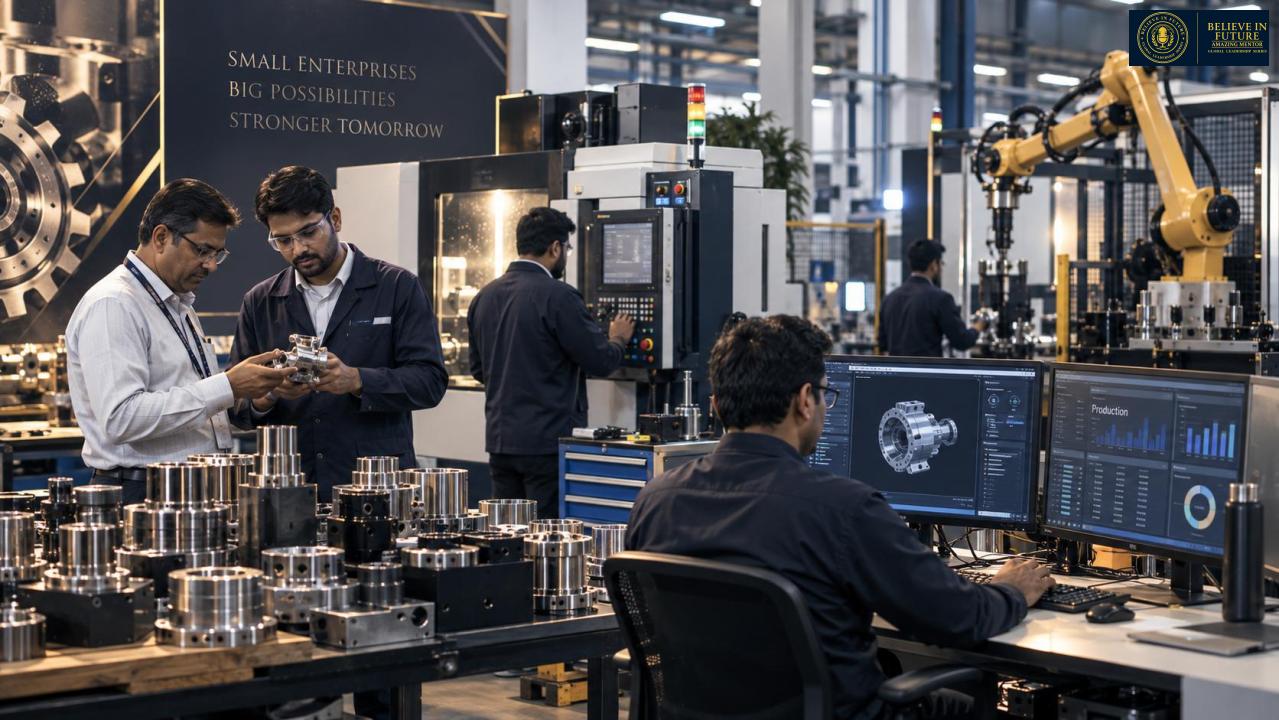
For more than three decades, P. K. Jha has worked where policy meets enterprise—helping entrepreneurs navigate technology, markets, standards, capability building and growth. Closely associated with India's MSME ecosystem through NSIC and the Ministry of MSME, his journey reflects a sustained belief that small enterprises should not be defined by their size, but by the scale of their ambition and their ability to compete.
P. K. Jha's professional journey has unfolded across more than three decades of public-sector service, entrepreneurship development and industrial engagement. But the central thread has remained remarkably consistent: enabling enterprises to become stronger. Working closely with entrepreneurs, manufacturers, institutions and government systems has given him a ground-level view of what it actually takes to build a business—not simply an idea, but the technology, skills, finance, markets, discipline and confidence required to sustain it. His leadership story therefore sits at an unusual intersection: part administrator, part enterprise facilitator and, increasingly, part mentor to the people creating India's next generation of businesses.
Jha's work has repeatedly confronted one of India's most important economic questions: why do so many enterprises begin small, yet struggle to scale? Long before digital transformation became fashionable, he was highlighting the difficulty MSMEs face in adopting new technologies and the need for more structured feasibility and growth planning. His perspective goes beyond providing assistance. Sustainable enterprises need better management, stronger processes, access to appropriate technology and the ability to reach serious markets. For Jha, strengthening an MSME therefore means moving it from dependency to capability—from operating for survival to building the systems required for long-term competitiveness.
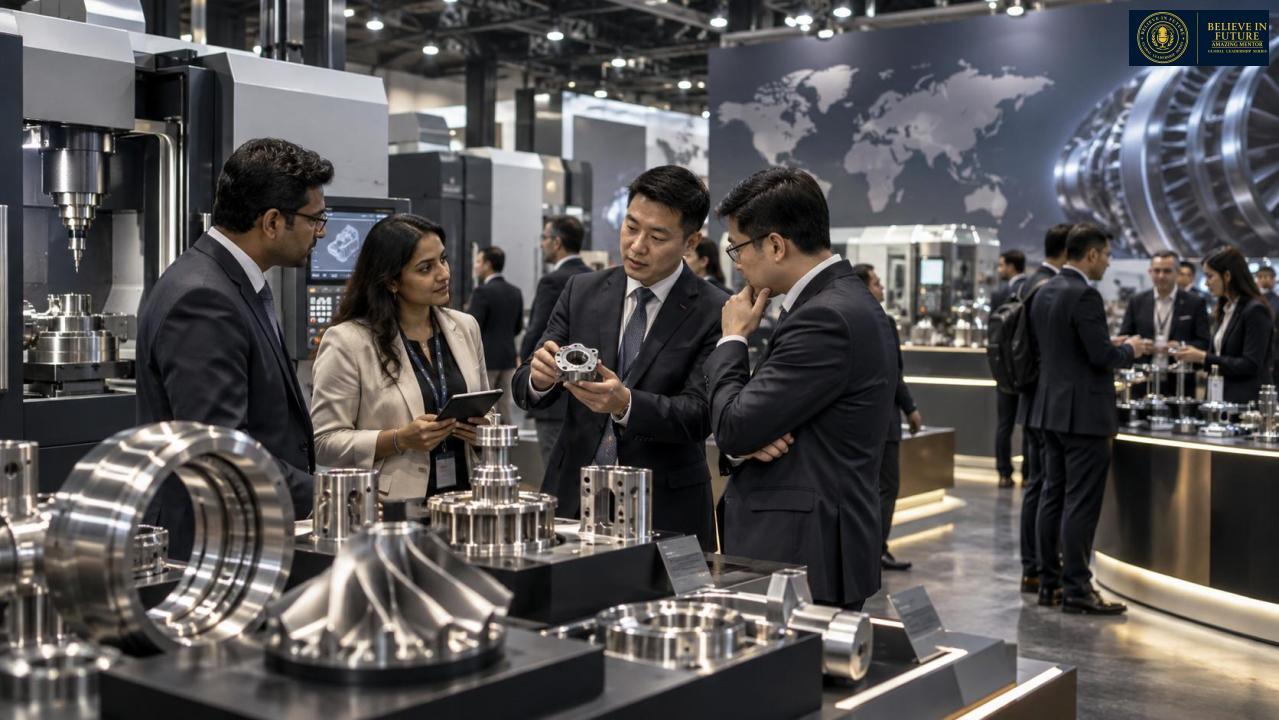
As India's economic ambitions have expanded, Jha's focus has increasingly moved toward what enables a local manufacturer to compete globally. Technology matters. Market access matters. But so do standards, consistency and trust. His message is particularly relevant for India's millions of smaller manufacturers: global customers do not judge a supplier by the size of its factory, but by whether quality can be delivered reliably, repeatedly and professionally. That is why he views standardisation not merely as compliance, but as a strategic gateway to international value chains—allowing Indian skill, engineering and entrepreneurship to earn credibility far beyond the domestic marketplace.
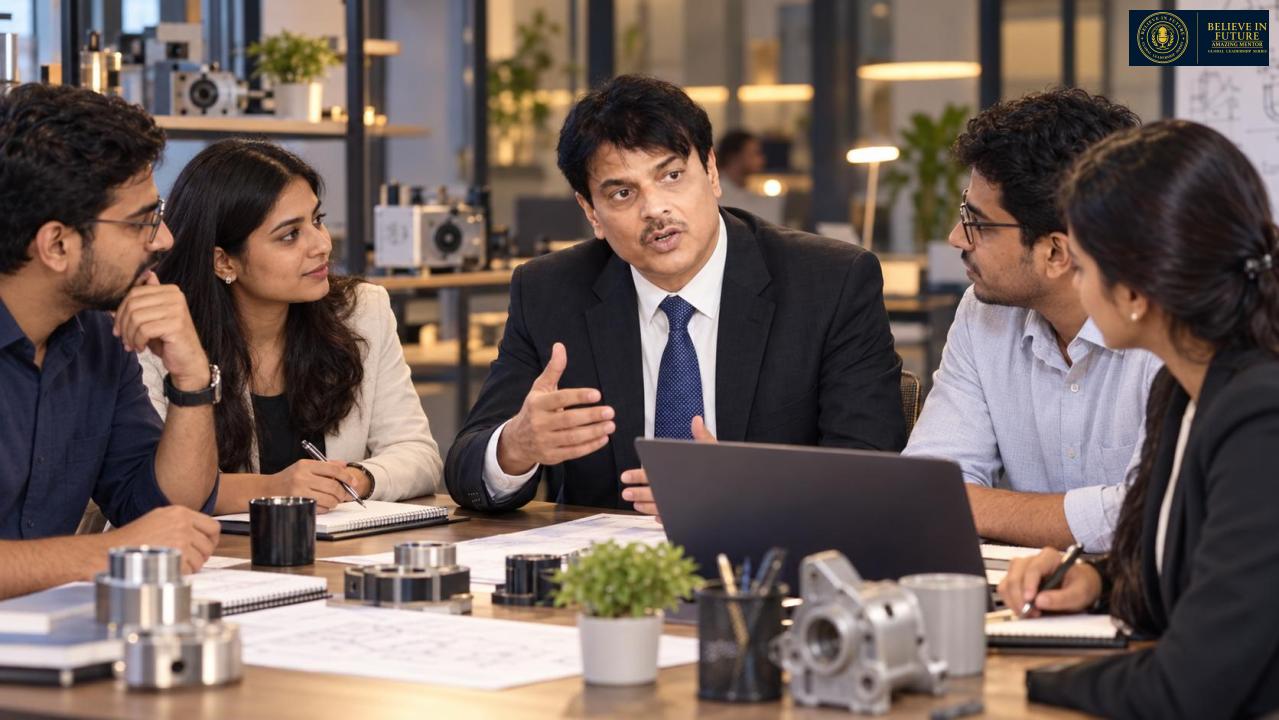
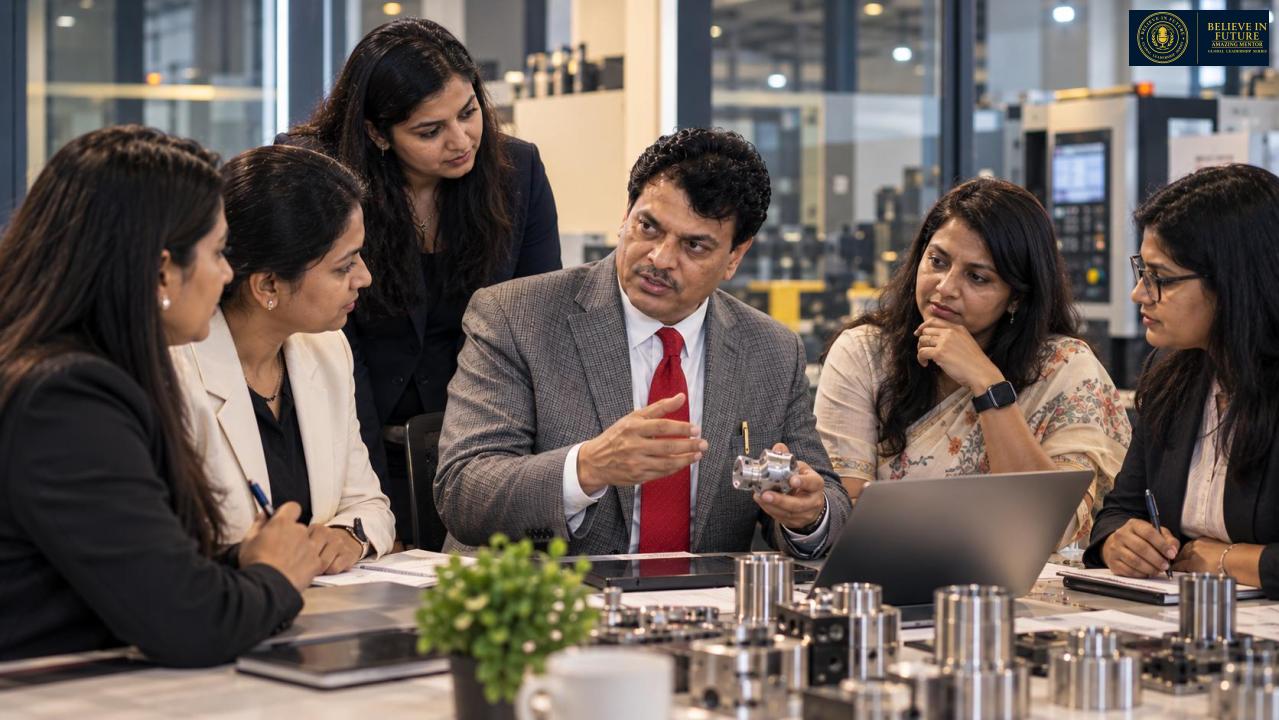
Behind the institutions and policy conversations is perhaps the most human dimension of Jha's work: mentorship. His professional profile reflects years of engagement with incubation, entrepreneurial training, business planning, investor connections, marketing support and one-to-one mentoring. He sees MSMEs not merely as an economic category, but as engines of employment, innovation, exports and regional development. His larger leadership philosophy is therefore about multiplying capability—helping an entrepreneur become more confident, an enterprise become more disciplined and an ecosystem become more competitive. In that sense, his legacy is not simply the organisations he has served, but the enterprises and entrepreneurs empowered to move forward independently.