





Believe in Future · Amazing Mentor – Global Leadership Series
Conversation with Ms. R. Vimala, IAS
Real stories of courage, clarity, and public service – built on decisions, not noise.

Host
Gaurav Garg
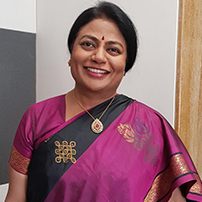 RV
RVGuest
Ms. R. Vimala, IAS
Intro Script
“Welcome to Believe in Future: Amazing Mentor – Global Leadership Series. I’m your host, Gaurav Garg, and in this space, we bring you the real stories of extraordinary minds shaping our world—not with noise, but with impact.
Today’s guest is someone whose journey breaks every stereotype and rebuilds the idea of what public service should look like. From a small town in Maharashtra to the top ranks of the Indian Administrative Service, she’s a symbol of quiet strength and unshakable resolve.
She’s been a historian, a mother, a state officer, a national leader. She’s managed everything from film cities to self-help groups, election controversies to pandemic response. Her work has touched millions, and her mindset is something every dreamer and doer can learn from.
Join me in welcoming Ms. R. Vimala, IAS – a woman who dared to dream late, fought hard, and still stands grounded in truth, service, and vision. This episode is not just about civil services – it’s about courage, clarity, and the choices that shape a leader.
Stay with us – you’ll leave not just informed, but transformed.”
Podcast Questionnaire for R. Vimala, IAS
Search questions, mark them as asked while you record.
0 / 0 questions marked as asked
1. Childhood and Roots: You grew up in a Tamil family in Jalgaon, Maharashtrathehitavada.com. Can you share some vivid memories from your childhood or formative years? What aspects of your upbringing do you think shaped your values and ambitions later in life?
2. Early Academic Brilliance: We know you were an outstanding student, standing third in the state in your 12th board exams and later topping your class in universitywef.org.in. How did this early academic success influence your confidence and career choices? Did you always envision a future in public service even when you were excelling in academics?
3. Love for History: You went on to study history deeply, completing an M.Phil and even lecturing at Pune University in Historywef.org.in. What drew you to history as a subject, and how has having a strong grasp of history helped you as an administrator dealing with contemporary issues?
4. The IAS Dream: Coming from academia, what inspired you to join the IAS? Was there a specific moment or role model (for example, a District Collector whose work you admired) that made you say, “I want to be a civil servant”?newindianexpress.com
5. Setbacks and Comeback: Your journey to the IAS wasn’t easy – it’s said you faced several unsuccessful attempts at the UPSC exams before finally clearing in your fifth attemptnewindianexpress.com. During those challenging years, what kept you motivated to keep pursuing the goal? Did you ever feel like giving up, and if so, how did you overcome that feeling?
6. Family Support: You were already married (and even a mother to twins) by the time you achieved your IAS dreamnewindianexpress.com. How did you balance your family responsibilities with the rigorous preparation for civil services? What role did your family, especially your husband, play in this journey of “cracking the IAS” after marriage and children?
7. Plan B – State Service: Before entering IAS, you joined the Maharashtra state services via the MPSC routethehitavada.com. Can you talk about that decision? How did working in the state civil service (as a Deputy Collector/administrator from 1993 onward) prepare you for the IAS? Would you recommend aspirants to consider state services as an alternative path to serve, especially if the UPSC journey is taking longer than expected?
8. Language and Adaptability: It’s noted that you had to learn Marathi from scratch in a very short time to clear the state civil service examthehitavada.com. That’s incredibly inspiring! How did you manage to achieve proficiency so fast? Also, more generally, how important has learning new languages and adapting to different cultures been in your career as an all-India service officer?
9. Early Career Lessons: In your early postings, you wore many hats – Joint Managing Director of a Small Industries Corporation, heading the iconic Film City in Mumbai, handling Entertainment Duty tax, and rehabilitating people displaced by projectswef.org.in, among others. Looking back, which one or two postings in the early phase of your career were the most challenging or taught you the most? Can you share any incident or lesson from those days that you still carry with you?
10. Managing Film City: Not many IAS officers get to work closely with the film industry. You did, as Jt. MD of Dadasaheb Phalke Film City in Mumbaiwef.org.in. Could you tell us about that experience? What was it like managing a hub of filmmaking and entertainment from the government’s side, and did it require a different approach compared to your other administrative roles?
11. Implementing MGNREGA: You were deeply involved in rolling out MGNREGA (the rural employment guarantee scheme) in Maharashtrawef.org.in. What were the biggest hurdles you faced in implementing a massive program like that on the ground? How did you ensure that the promise of “right to work” under MGNREGA actually reached the villages in a state as large as Maharashtra?
12. Specialization in Elections: You’ve gained a reputation for your expertise in election managementwef.org.in. Can you share a bit about what goes on behind the scenes in organizing and monitoring elections as an administrator? Perhaps recount a time where you had to take a critical decision to ensure an election was conducted fairly and smoothly (without, of course, divulging anything confidential).
13. Women’s Empowerment Mission: One of your flagship assignments was leading the Maharashtra State Rural Livelihoods Mission (Umed), which focuses on women’s self-help groups. Under your tenure, the mission formed over 2 lakh SHGs and uplifted 30+ lakh rural women across the statewef.org.in. What impact did you witness in the lives of women through this program? Can you share a success story or personal anecdote that made you feel proud about the work being done in Umed?
14. Leadership Philosophy: Across 25+ years in servicewef.org.in, how would you describe your leadership style? What core principles or values do you always stick to when you’re leading a team or a district? For example, how do you motivate your colleagues and junior officers to work towards development goals or to respond during a crisis?
15. Crisis Management: When you took charge as the District Collector of Nagpur in July 2021, COVID-19 was still a major threat. On your very first day, you called a meeting to prep for a possible third wavetimesofindia.indiatimes.comtimesofindia.indiatimes.com. What was going through your mind at that time, and what were your priorities in managing the pandemic? More generally, what do you think are the most important qualities for an administrator during a crisis like COVID?
16. Accountability and Efficiency: During your tenure as Collector, you were known for taking a tough stand against delays and inefficiency – for instance, warning officials that delays in issuing certificates to citizens would invite strict actionthehitavada.comthehitavada.com. Why was this issue important to you? How do you balance being stern to ensure efficiency in government services with being understanding towards your staff’s challenges? Has enforcing discipline been difficult, especially if entrenched bureaucratic habits resist change?
17. Being a Woman in the IAS: You have been a trailblazer as a woman in administration – for example, becoming only the second woman ever to be Nagpur’s District Collectorthehitavada.com. Can you speak about your experience as a woman in the IAS? Did you face any biases or extra scrutiny, and how did you handle that? Do you feel the environment in the civil services is changing for women compared to when you started?
18. Work-Life Balance: Many listeners would wonder how you managed the work-life balance, especially in the early years of your career when your children were young. What strategies or mindset helped you to fulfill your duties as an officer on one hand and as a mother on the other? Any advice for other professionals (not just in government but generally) on balancing career and family, particularly when both are demanding?
19. Moments of Courage: Over such a long career, there must have been times you faced dilemmas or pressure – perhaps a situation where doing the right thing was not easy. Could you recount a story of a bold decision or courageous stand you took as an administrator? What was at stake, and what gave you the courage to stick to your principles in that moment?
20. Upholding Truth and Integrity: We read about an incident in Nagpur where there were allegations of funds being misallocated under a schemetimesofindia.indiatimes.com, and another during an election about an affidavit not being made publictimesofindia.indiatimes.com. In both cases, you addressed the issues by clarifying facts and following the rules strictly. How do you handle these kinds of public controversies and political pressures while staying true to the rules and your conscience? What goes into maintaining transparency and trust in such situations?
21. Dealing with Public Scrutiny: As a public figure, your actions are often scrutinized by media and citizens. How do you personally cope with criticism or scrutiny when it arises? Do you have a particular approach to communicating with the public and press during a controversy or crisis to get your message across?
22. Achievements and Recognition: You’ve been involved in many successful projects and even won the Arun Bongirwar Public Service Excellence Award for your worktimesofindia.indiatimes.com. When you look back, what would you say are the achievements you are most proud of in your career? And what did it mean to you to receive that kind of recognition from your peers and the government?
23. Personal Passions: It’s fascinating that outside of your official duties, you are a writer and poet – with some of your poems composed into songs – and you maintain a personal blog “Heart’s Content”thehitavada.com. How do these creative pursuits influence you as a person and as a leader? Do you find that writing or poetry provides an outlet that helps you in your administrative work (perhaps by offering reflection or stress relief)?
24. Lessons for Aspirants: Many of our listeners are students and UPSC aspirants. Drawing from your unique journey – with its ups and downs – what lessons or advice would you like to share with those dreaming of a career in the civil services? Particularly for those who might be facing setbacks (like an exam failure or other hurdles), what would you tell them about persistence and preparation?
25. Advice to Youth: Lastly, what is your message to the youth in general? Whether or not they aim to join the civil service, young people out there can learn from leaders like you. What qualities do you think the next generation should cultivate to lead and make a positive difference in society? And for young women listening, who see you as a role model, what would you say to encourage them to break barriers in whatever field they choose? Each of these questions is intended to shed light on a different facet of your life and career – from the personal triumphs and trials to the professional accomplishments and ideals. We are looking forward to hearing your insights and stories. Thank you, Ms. Vimala, for agreeing to this conversation – it promises to be an inspiring session for everyone tuning in!
Closing Script
“That was Ms. R. Vimala, IAS, on Believe in Future: Amazing Mentor – Global Leadership Series. Her story reminds us that resilience isn’t loud, and greatness isn’t rushed. It’s earned, day by day, decision by decision.
She taught us that failing five times doesn’t matter if you rise the sixth. That being a mother isn’t a limitation—it’s leadership at its most personal. And that doing the right thing, even under scrutiny, is what true administrators are built for.
If her journey moved you, challenged you, or sparked new clarity—share this episode. Someone out there needs to hear it.
Subscribe to Believe in Future for more voices like this—voices that don’t just speak, but shift perspectives. I’m Gaurav Garg, signing off. Until next time: question more, dare more, and above all, believe in your own future.”




+ There are no comments
Add yours