Leadership Documentary

Kuldeep Saddy — The Green Architect of India’s Public Spaces

Former Director (Horticulture), CPWD · President, Rose Society of India · Public-Space Greening & Rose Culture Mentor

India
Location: New Delhi, India
Role: Former Director (Horticulture), Central Public Works Department (CPWD) President, Rose Society of India Public Landscape Advisor (Government Estates & Civic Gardens) Mentor / Jury Member (Rose Shows & Horticulture Events)
Impact: He turned government spaces into living green heritage — proving nation-building can be done with roots, shade, and roses.
Reach: 35+ years in CPWD horticulture; shaped iconic public gardens and estates; continues to mentor India’s rose and horticulture community through national shows and training.
Public Landscaping Urban Greening Horticulture Leadership Roses Sustainability Government Service Mentorship Heritage Gardens City Beautification Nature & Wellbeing
Kuldeep Saddy — The Green Architect of India’s Public Spaces

Leadership Documentary

Kuldeep Saddy — The Green Architect of India’s Public Spaces

Former Director (Horticulture), CPWD · President, Rose Society of India · Public-Space Greening & Rose Culture Mentor

India
QR code for Kuldeep Saddy — The Green Architect of India’s Public Spaces profile

Shareable QR Code

Download

Platform

Identity, Media & Trust

Identity
OriginsIndia

Kuldeep Saddy’s leadership journey proves that nation-building is not only done through steel and concrete, but also through soil, shade, and patience. As a public servant, he quietly shaped how India experiences its public spaces — with dignity, balance, and life.

Biography

Leadership Narrative

Joining the Central Public Works Department in the early years of independent India, Kuldeep Saddy chose an unconventional path. While most focused on structures and speed, he focused on sustainability and people. For him, gardens were not decoration; they were essential infrastructure that shaped mental well-being, civic pride, and environmental balance.

Kuldeep Saddy’s leadership journey proves that nation-building is not only done through steel and concrete, but also through soil, shade, and patience. As a public servant, he quietly shaped how India experiences its public spaces — with dignity, balance, and life.

Joining the Central Public Works Department in the early years of independent India, Kuldeep Saddy chose an unconventional path. While most focused on structures and speed, he focused on sustainability and people. For him, gardens were not decoration; they were essential infrastructure that shaped mental well-being, civic pride, and environmental balance.

As Director (Horticulture), CPWD, he transformed government estates, avenues, and institutional campuses into living ecosystems. His work touched the daily lives of citizens who may never know his name but walk under the trees he planted, rest in the gardens he designed, and breathe air filtered by his foresight.

Even after retirement, Saddy refused to step away from the soil. Through the Rose Society of India, mentorship programs, and public engagement, he continued guiding younger generations. Age, illness, and changing systems never diluted his belief that nature must remain central to human progress.

Behind the Scenes

Stage One – Host & Script

Host
Guest

Documentary Framework

Interview Opening

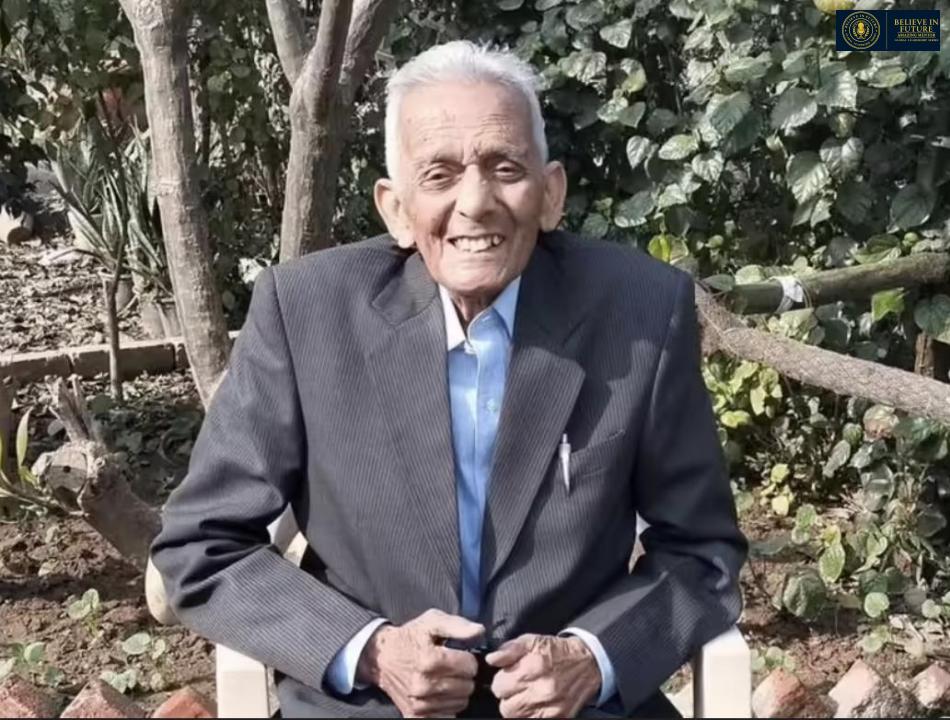
Kuldeep Saddy is a veteran horticulturist and public servant who carved a niche in landscape architecture and sustainable urban development. As the former Director of Horticulture at India’s Central Public Works Department (CPWD), Saddy spent 35 years greening India’s public infrastructure. His domain expertise spans urban landscaping, environmental conservation, and public garden design, with a special passion for roses. Over a career that saw him tend the gardens of Prime Ministers from Jawaharlal Nehru to Indira Gandhi, Saddy became known as “the gardener of the nation” – transforming sterile government compounds into oases of greenery and color. Personality-wise, Saddy is often described as gentle, patient, yet visionary – much like the plants he nurtures. At 99 years old, he remains enthusiastic and inspiring, speaking of flowers as if they were family. Colleagues and proteges see him as an amazing mentor – one who leads by example in the field, literally with his hands in the soil. Despite retiring in 1985, he never stepped away from the soil, continuing to design gardens and mentor young horticulturists. His leadership style is nurturing and inclusive: he uplifts others by sharing knowledge and credit, and he isn’t afraid to get his hands dirty alongside his team. For instance, even in his 90s he personally visits nurseries and appreciates others’ work, as noted when he praised a fellow horticulturist’s nursery collection. Saddy blends scientific acumen with an artist’s eye, believing landscaping is both “an art as well as science”. This combination makes his guidance valuable to both technical experts and lay plant lovers.

Signature Perspective

“Development without greenery is not progress — it is a slow loss.”

Milestones

Leadership Timeline

Early 1950s

Horticulture Officer

Central Public Works Department (CPWD)

Entered public service in post-independence India, choosing horticulture as a tool for nation-building through public spaces and civic wellbeing.

1950s–1960s

Senior Horticulture Officer

CPWD

Worked on landscaping of major government estates and public institutions, establishing early standards for public gardens and tree-lined avenues.

1960s–1970s

Lead Landscape Planner

CPWD

Contributed to the greening of New Delhi’s administrative and diplomatic zones, integrating horticulture into large-scale urban development.

1970s

Project Head – Public Gardens

CPWD

Played a key role in developing iconic public rose gardens and institutional landscapes, including areas later used for national rose exhibitions.

Late 1970s–1985

Director (Horticulture)

Central Public Works Department

Led horticulture operations nationwide, embedding sustainability, environmental balance, and human-centric design into government infrastructure projects.

1985

Superannuation / Retirement

CPWD

Retired after more than three decades of service, leaving behind a legacy of green public assets across India.

1985–2000s

Advisor & Mentor

Rose Society of India / Horticulture Community

Actively mentored young horticulturists, advised institutions, and promoted rose culture and public gardening nationwide.

2000s–Present

President

Rose Society of India

Guided national rose exhibitions, international collaborations, and community engagement, strengthening India’s presence in global rose culture.

Global Footprint

A Signature of Influence

Kuldeep Saddy’s influence may be rooted in India, but his work and philosophy have resonated far beyond borders. Through international horticulture exchanges, global rose conventions, and cross-cultural collaborations, his ideas on public greening and sustainable landscapes have contributed to a shared global conversation on nature-led development.

Public Space Greening

Integrated horticulture into government estates, campuses, and civic infrastructure.

Transformed sterile public spaces into human-centric, livable environments.

Created long-lasting green assets that continue to serve citizens decades later.

Urban Sustainability Leadership

Advocated environmental balance within large-scale urban development projects.

Promoted tree preservation and water-efficient landscaping practices.

Set early examples of sustainability before it became mainstream policy.

Rose Culture & National Horticulture

Strengthened rose cultivation and exhibition culture across India.

Led national rose shows and encouraged public participation in gardening.

Positioned India more visibly in the global rose and horticulture community.

Rooted in India · Inspiring Green Leadership Across Continents

Engagement

Invite Kuldeep Saddy — The Green Architect of India’s Public Spaces to Your Institution

Facilitate direct mentorship, collaborate on global impact initiatives, or sponsor further cinematic documentation of this leadership journey.