


Ashima Brar, born on 19 September 1979, is a distinguished Indian Administrative Service (IAS) officer from the 2004 batch of the Haryana cadre. A graduate and post-graduate in Economics from the prestigious Delhi School of Economics, she has built an extensive career in governance, administration, public policy, taxation, welfare, and energy management.
Over the years, she has held several important leadership positions within the Government of Haryana, including Commissioner & Secretary roles across multiple departments. Her administrative experience spans taxation, cooperation, social justice, district governance, public welfare, vigilance oversight, and power infrastructure management.
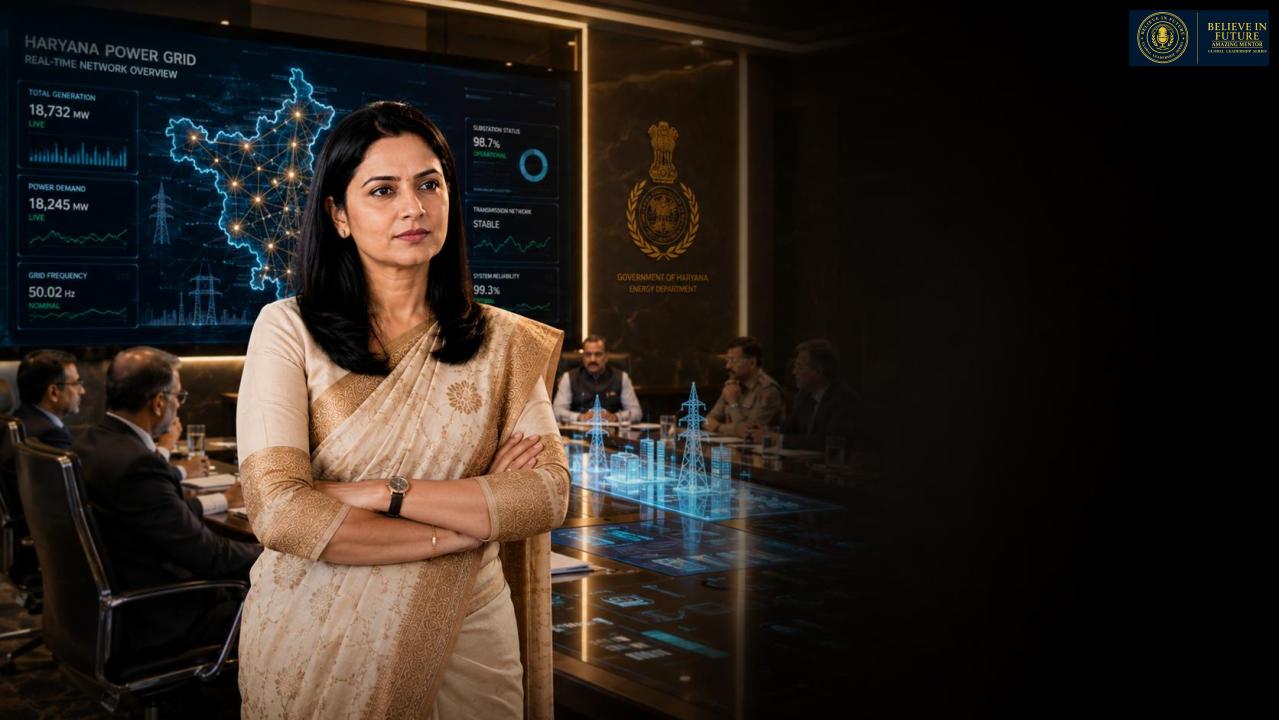
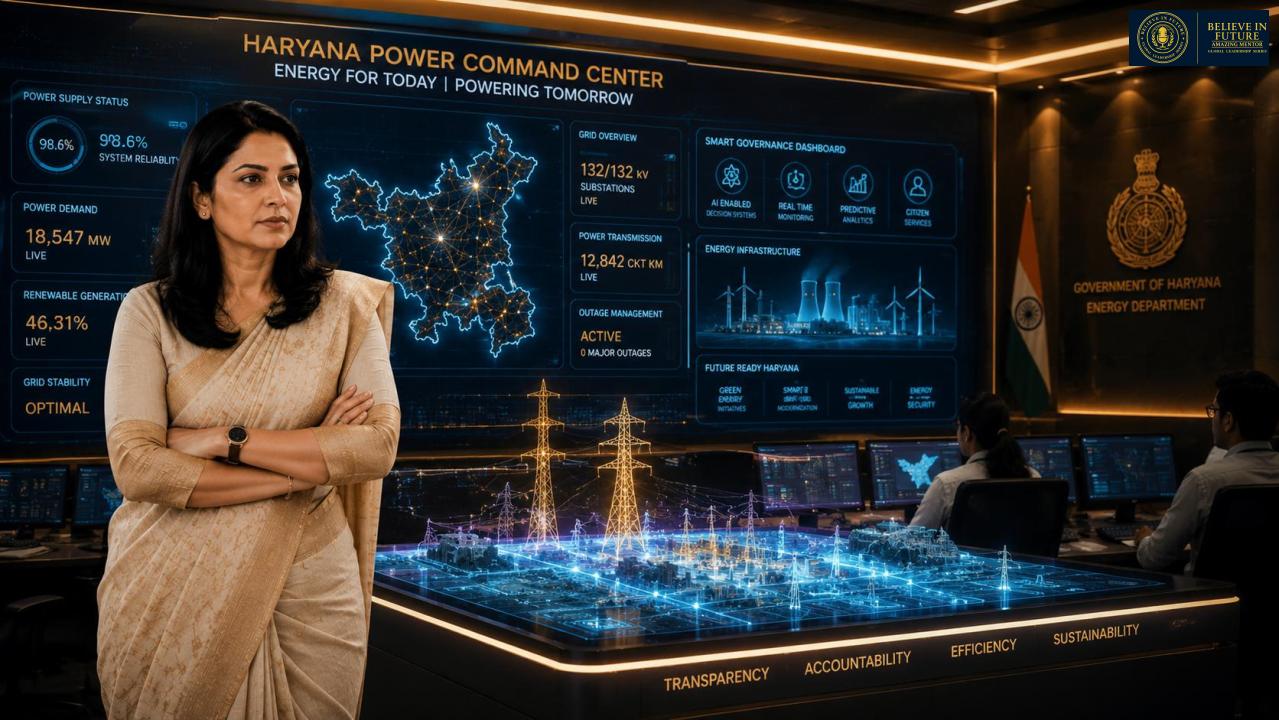
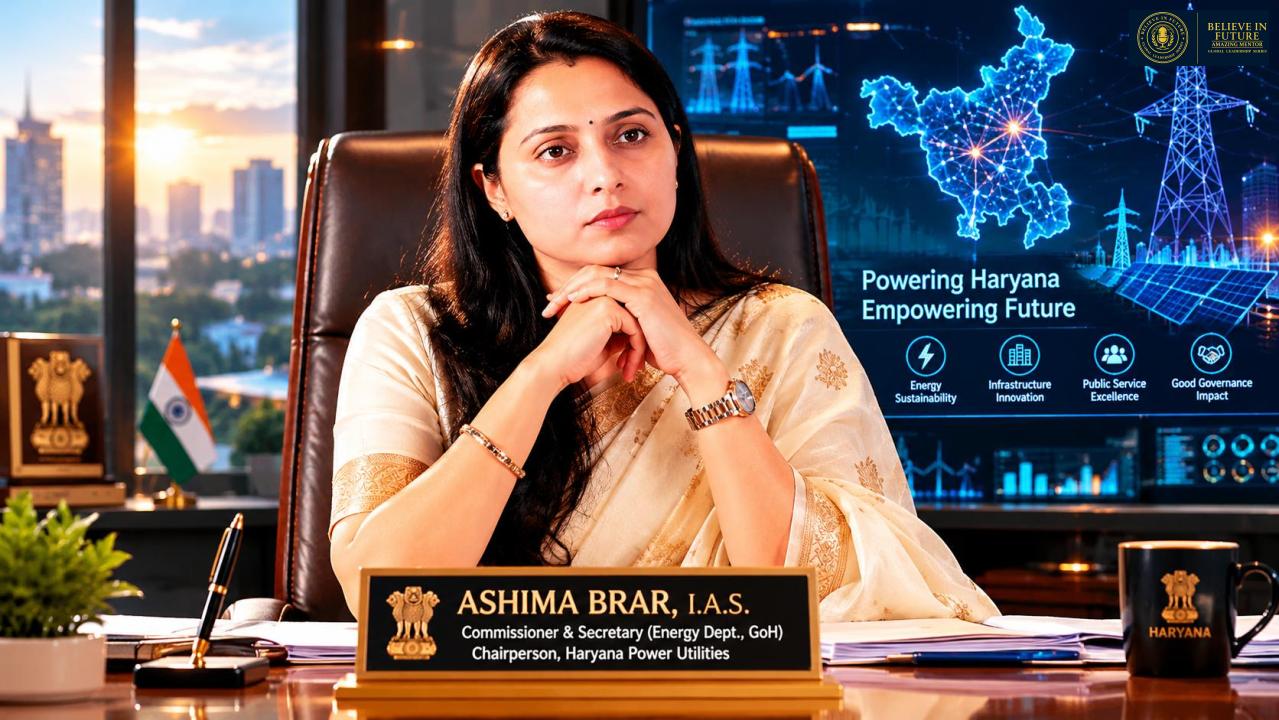
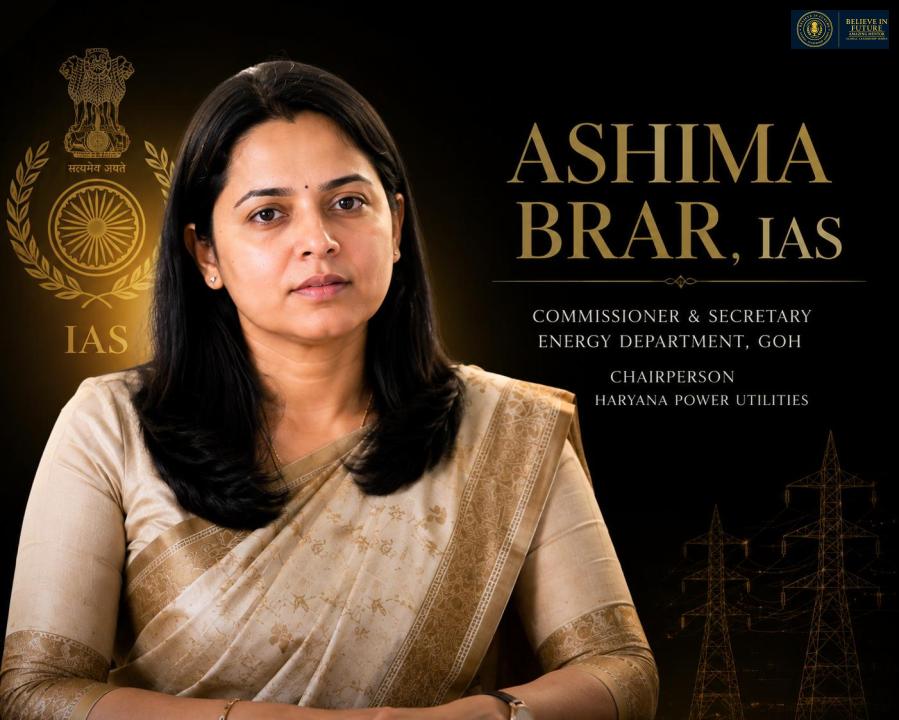
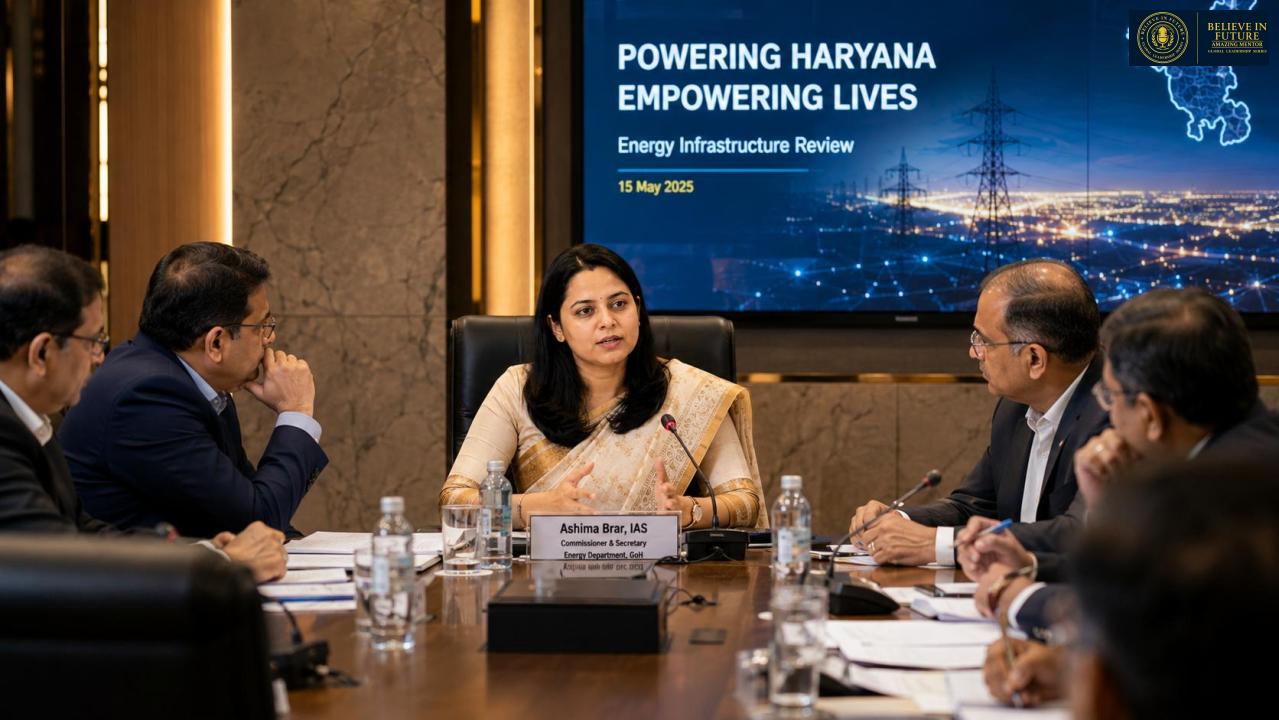
Currently serving as Commissioner & Secretary, Energy Department, Government of Haryana, and Chairperson of Haryana Power Utilities, Ashima Brar plays a critical role in overseeing the state’s energy transmission, distribution, and governance systems. She has also served as Managing Director of Haryana Vidyut Prasaran Nigam Limited (HVPNL) and has been entrusted with district-level administrative oversight responsibilities in Gurugram and Karnal.
Recognized for her disciplined administrative approach, analytical decision-making, and commitment to public service, Ashima Brar represents a modern generation of Indian civil servants navigating governance, accountability, infrastructure modernization, and institutional leadership in a rapidly changing India.
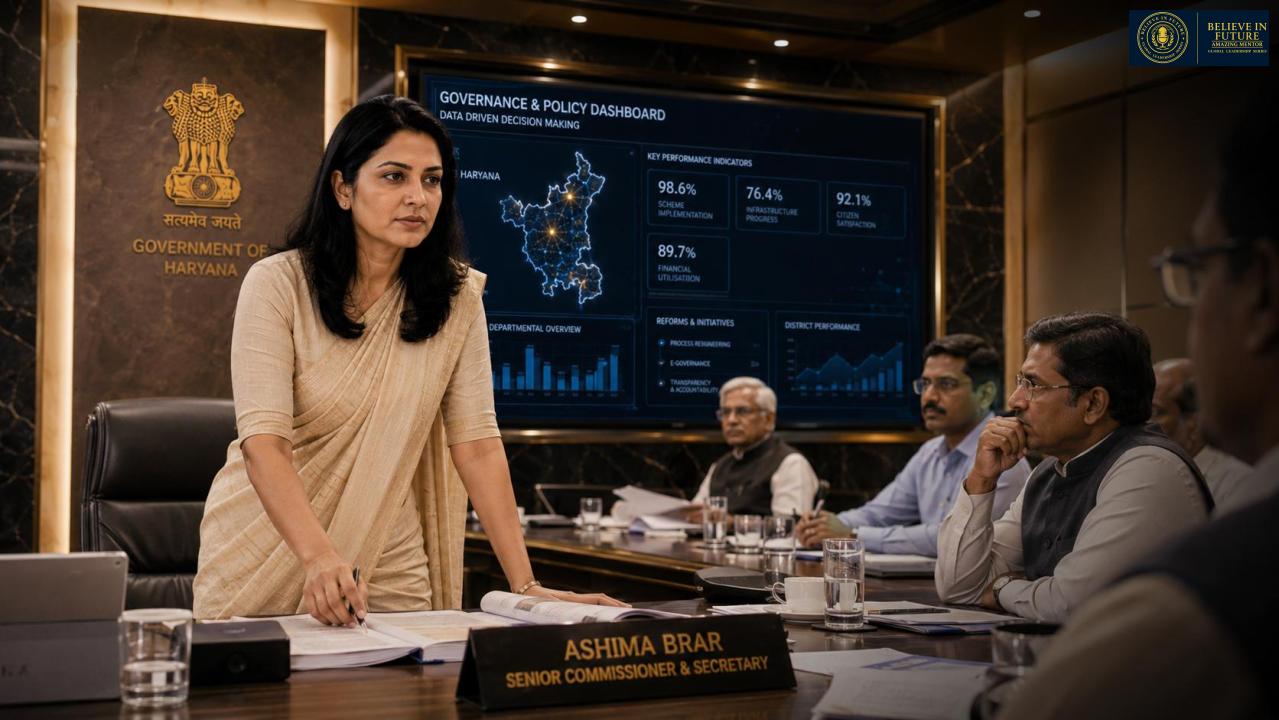
Ashima Brar is a senior Indian Administrative Service (IAS) officer of the 2004 Haryana cadre, currently serving as Commissioner & Secretary, Energy Department, Government of Haryana, and Chairperson of Haryana Power Utilities. With over two decades of leadership across governance, taxation, district administration, welfare systems, and public infrastructure, she represents a modern generation of Indian administrative leadership focused on accountability, institutional strength, and future-ready governance.
From academic foundations at the prestigious Delhi School of Economics to becoming one of Haryana’s senior administrative leaders, Ashima Brar’s journey reflects discipline, analytical thinking, and public responsibility. Over the years, she has navigated complex governance systems involving taxation, social welfare, district administration, and energy infrastructure while handling leadership responsibilities in some of Haryana’s most critical departments.
As Chairperson of Haryana Power Utilities and Commissioner & Secretary in the Energy Department, Ashima Brar oversees systems that impact millions of citizens every day. Her work involves balancing infrastructure modernization, public expectations, administrative efficiency, and institutional accountability in an increasingly fast-moving and technology-driven governance environment.
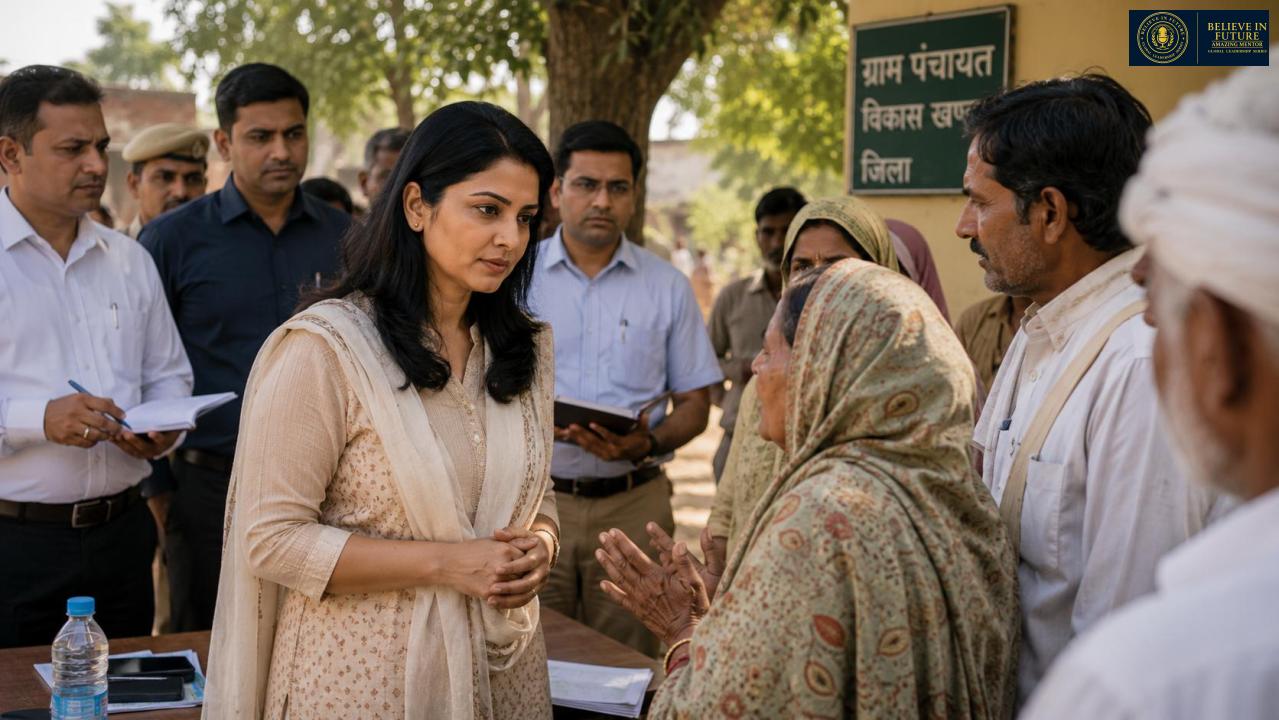
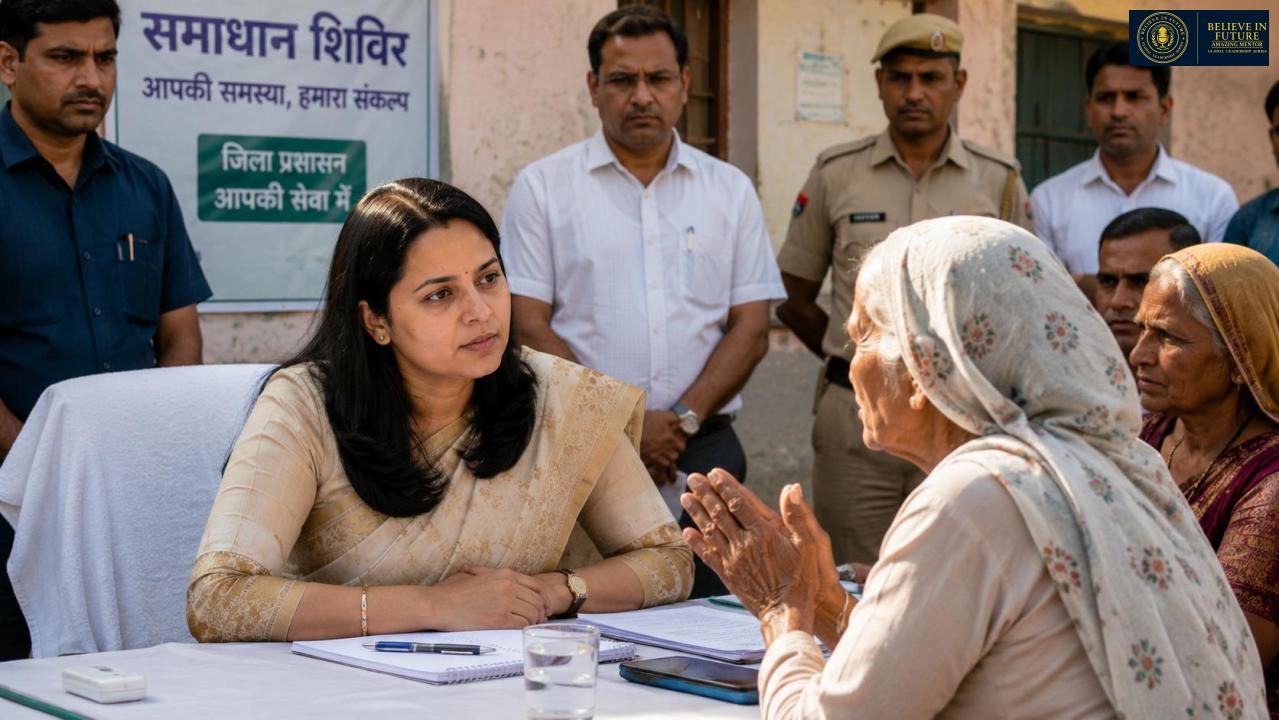
Throughout her career, she has been entrusted with district-level administrative oversight responsibilities, including governance reviews, public service delivery assessments, vigilance monitoring, and large-scale infrastructure supervision. Her leadership style reflects calm decision-making, structured execution, and a governance approach rooted in responsibility rather than visibility.
In an era where public trust in institutions is constantly tested, Ashima Brar represents a leadership philosophy centered on integrity, resilience, and long-term institutional impact. Her journey demonstrates how governance is not only about policy creation, but also about listening to citizens, strengthening systems, and ensuring that administration remains humane, effective, and future-focused.