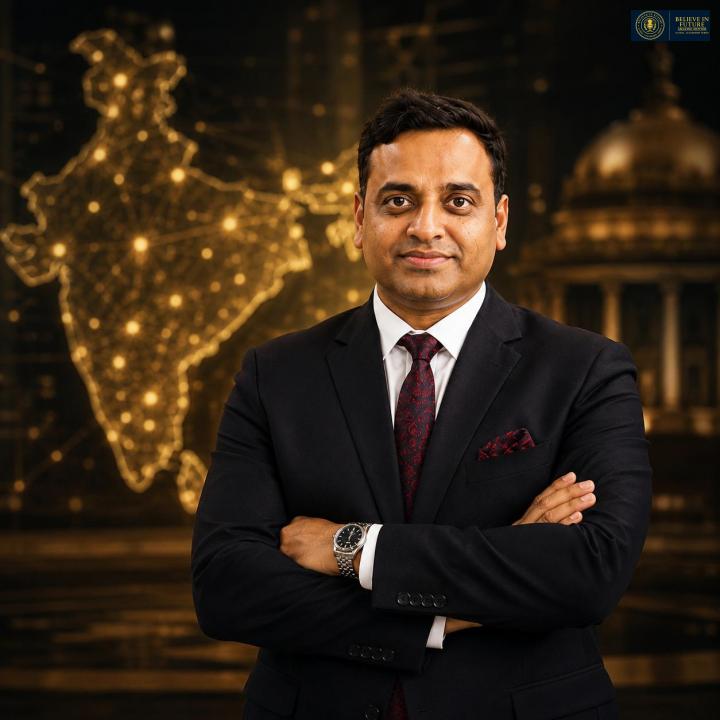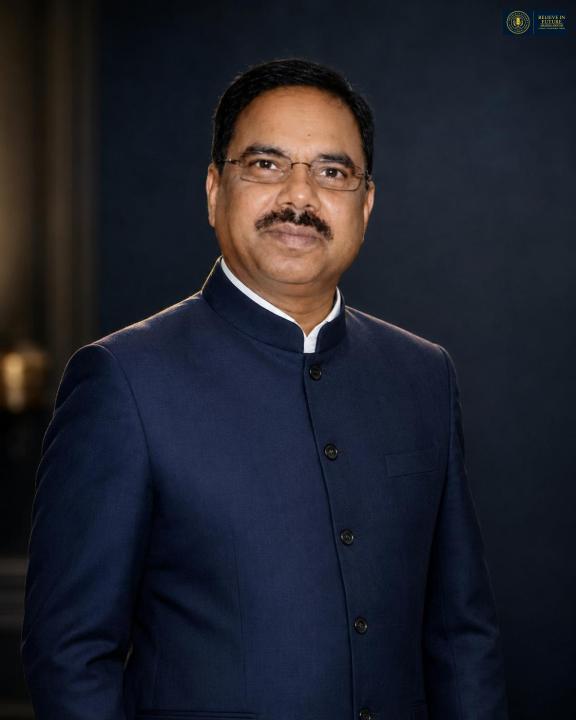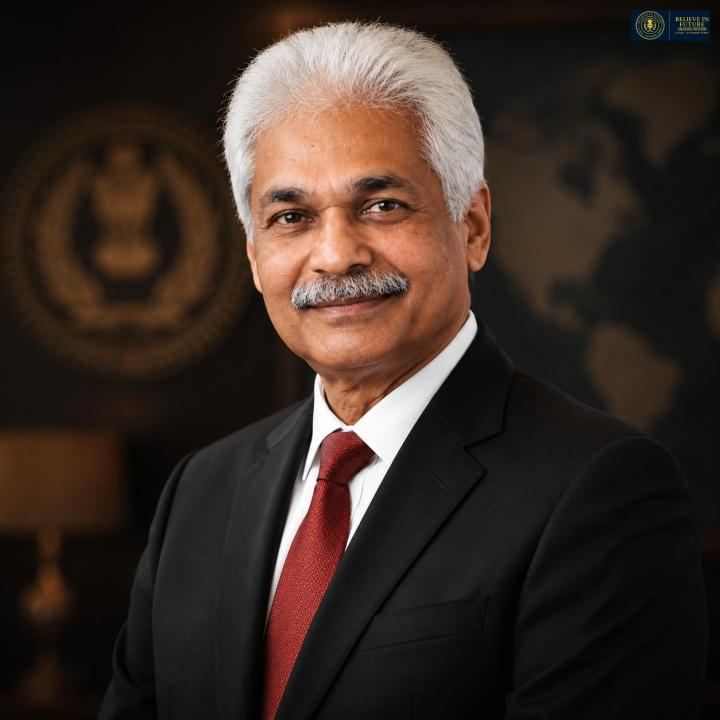


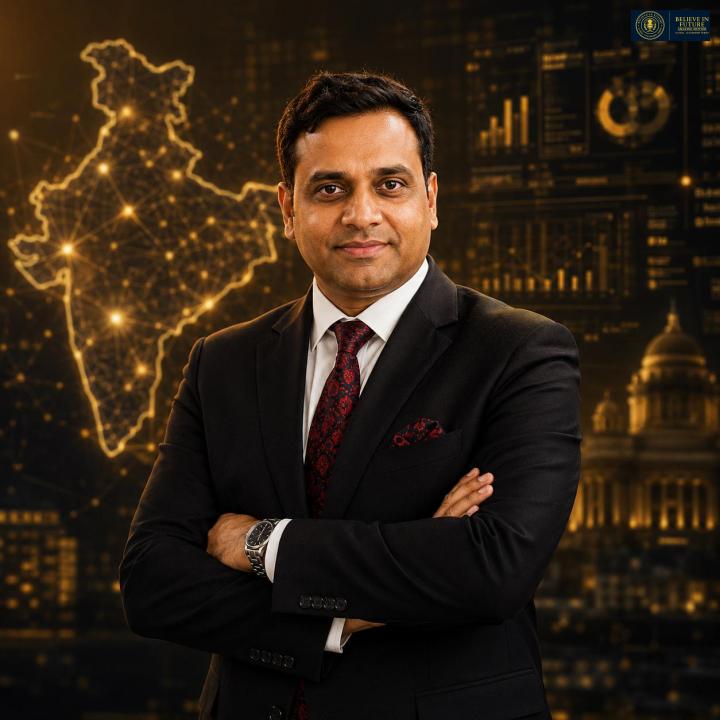

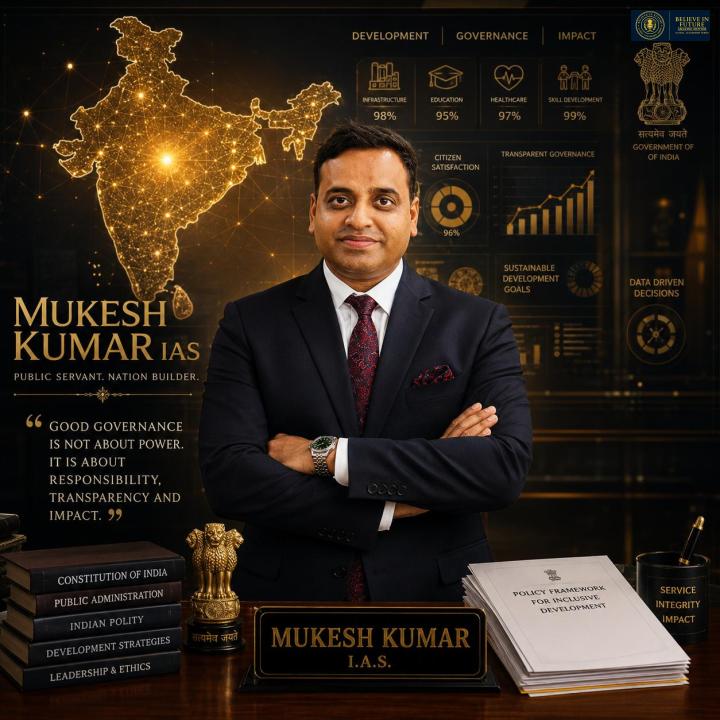
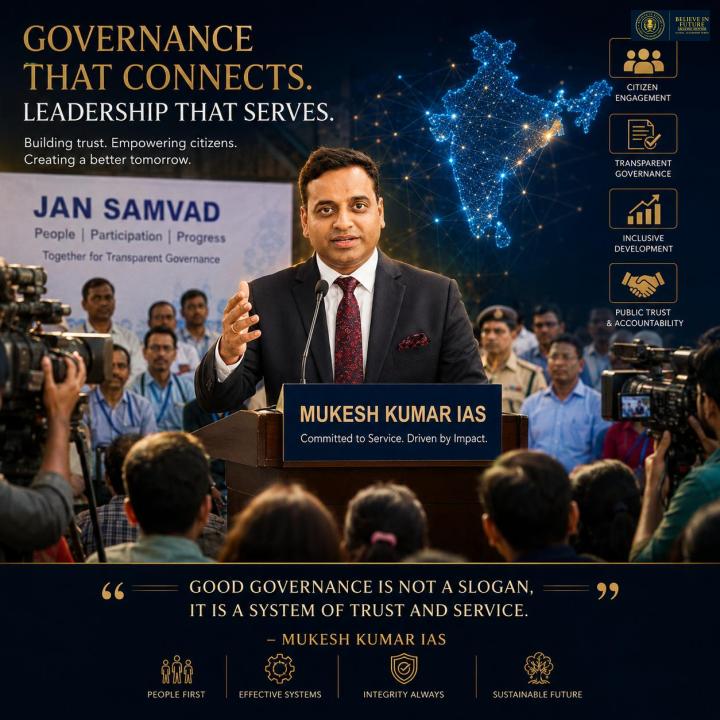
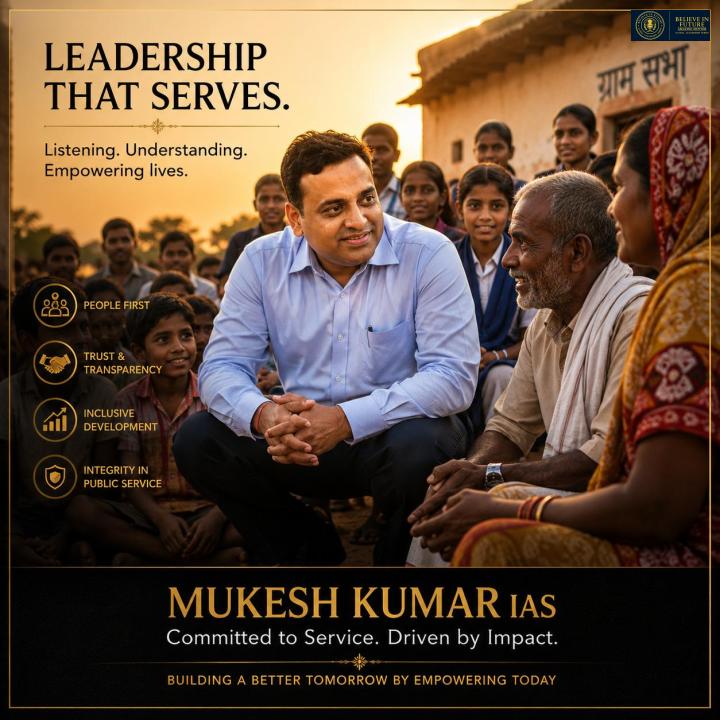
Mukesh Kumar, IAS, is a respected civil servant whose career reflects a strong commitment to public service, governance excellence, and nation-building. Throughout his administrative journey, he has worked across diverse sectors including planning, development, skill enhancement, rural transformation, youth empowerment, and institutional governance.
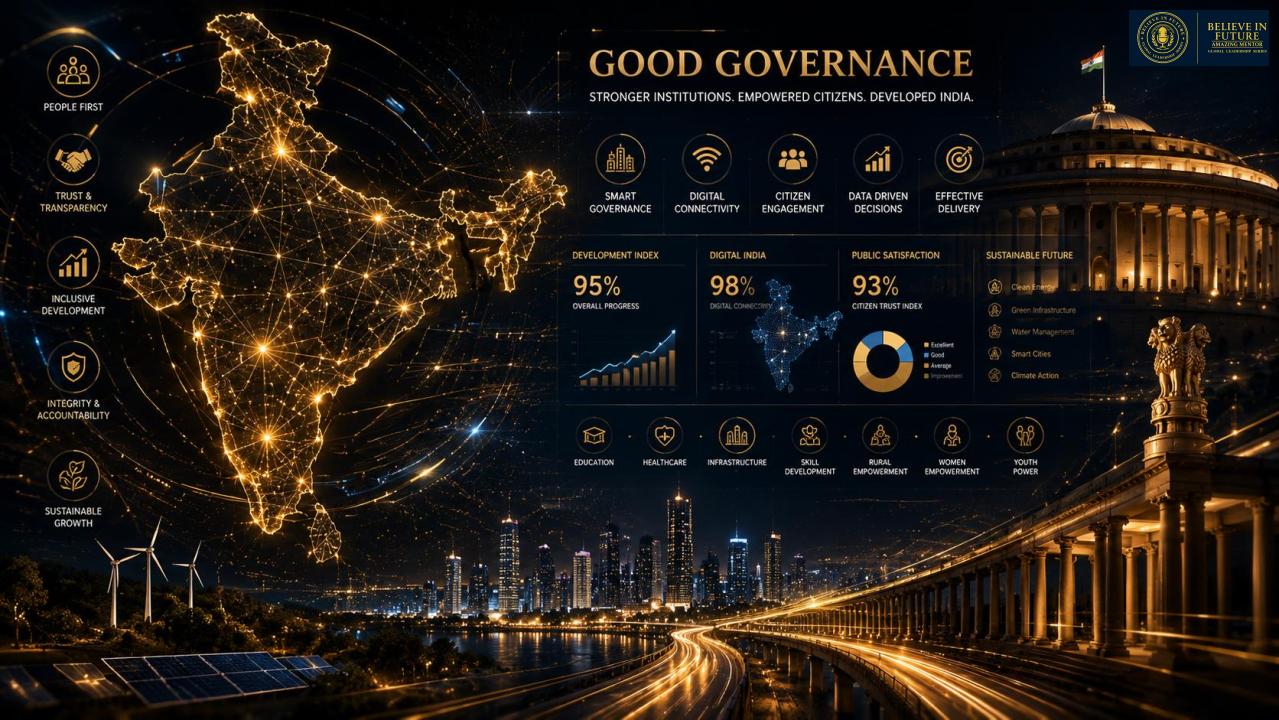
Known for his people-centric approach and strategic leadership, Mukesh Kumar has played a pivotal role in implementing policies that bridge the gap between government vision and grassroots realities. His work emphasizes inclusive growth, effective governance, transparency, and sustainable development.
A firm believer in empowering communities and creating opportunities for future generations, he continues to inspire young aspirants, administrators, and leaders through his dedication to service and innovation in public administration. His leadership demonstrates that governance is not merely about managing systems but about improving lives and creating lasting societal impact.
Mukesh Kumar IAS represents a model of governance where administration meets ground reality. His leadership approach blends policy execution with human connection, focusing on inclusive development, transparency, and citizen-first governance.
Mukesh Kumar’s journey in public administration reflects a deep belief that governance is not about authority, but about responsibility. From district-level challenges to large-scale development planning, his work consistently focuses on turning policy into real impact for people.
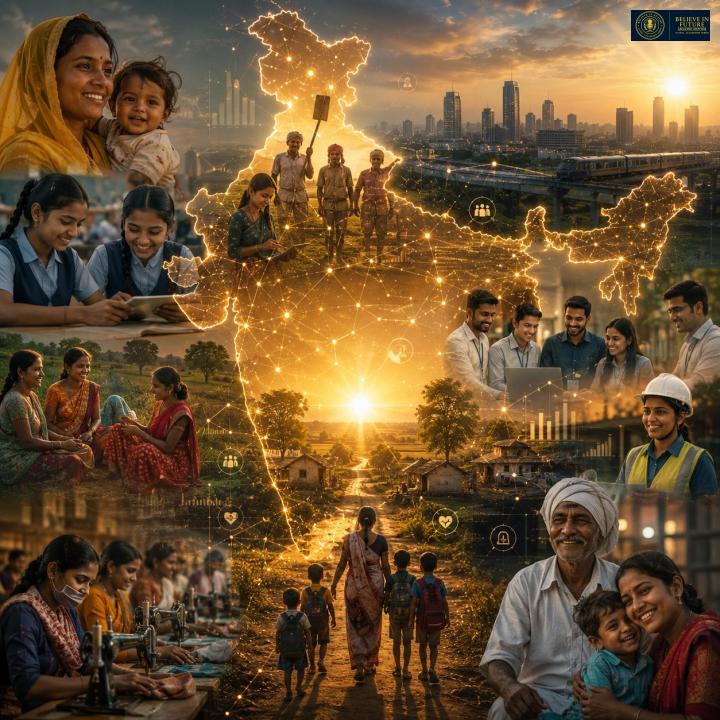
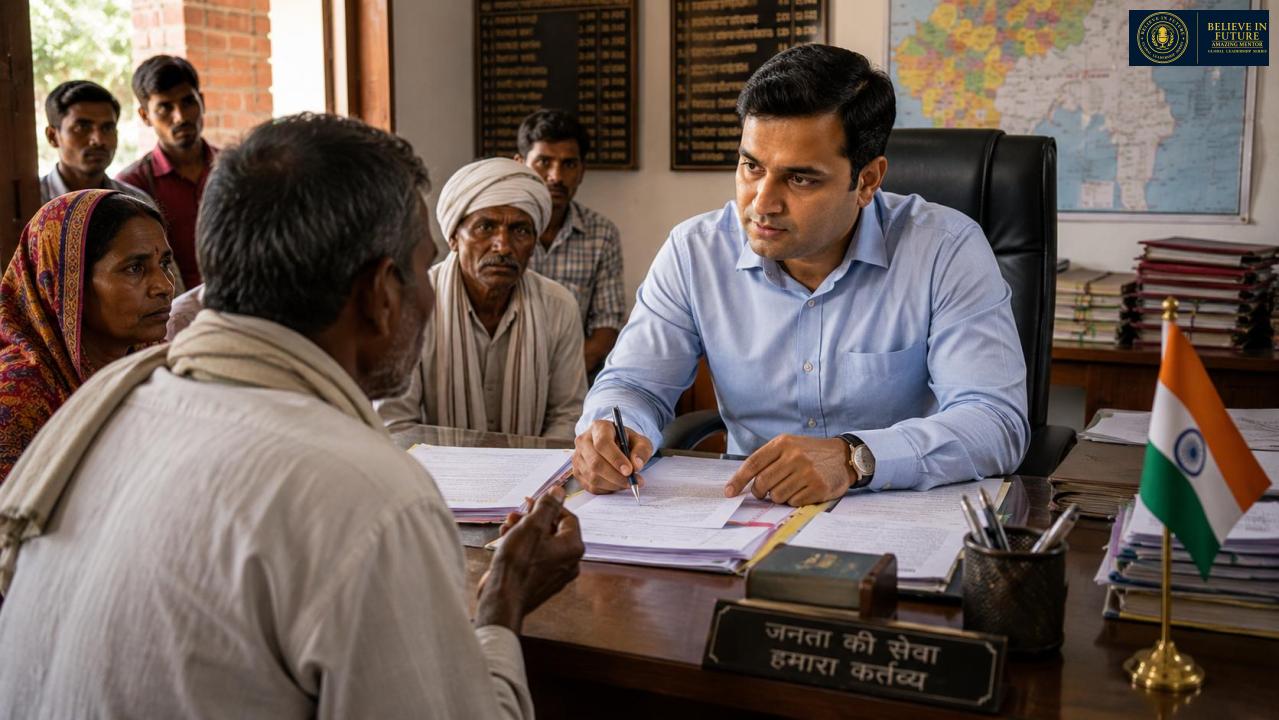
Throughout his career, he has engaged closely with rural communities, tribal regions, and youth-focused initiatives. His approach emphasizes listening before acting—understanding ground realities before designing solutions that affect millions of lives.
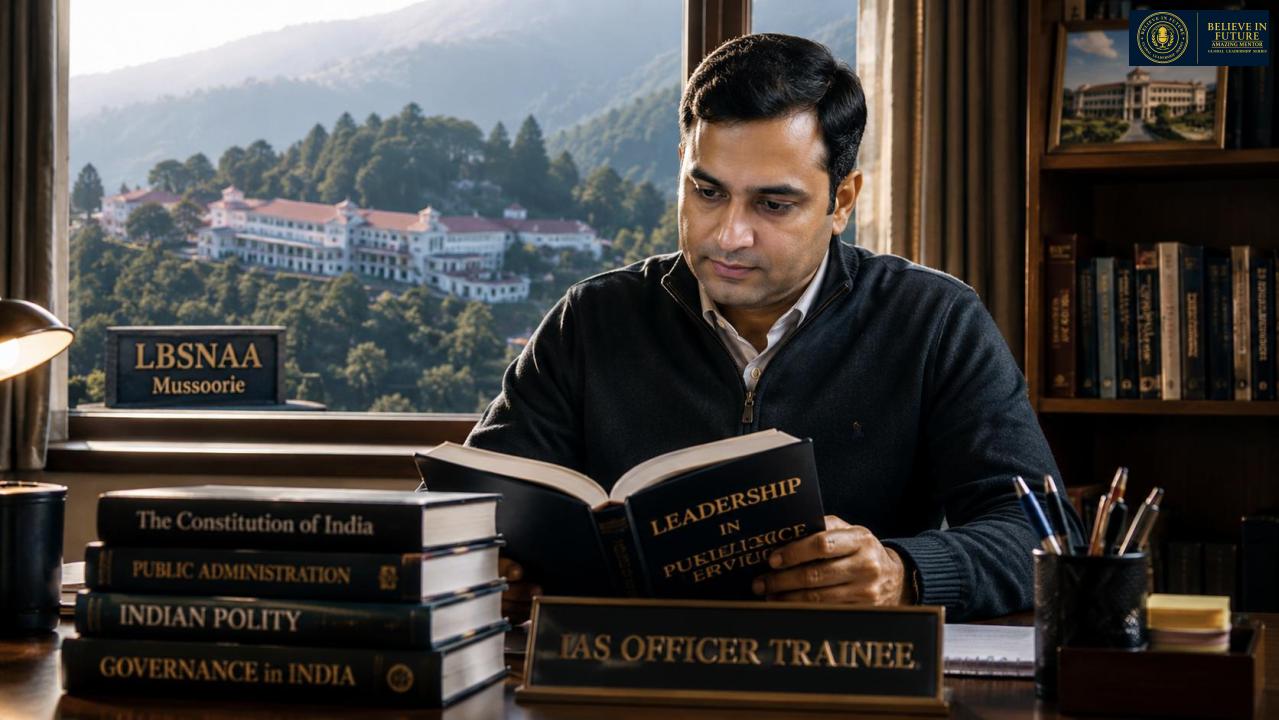
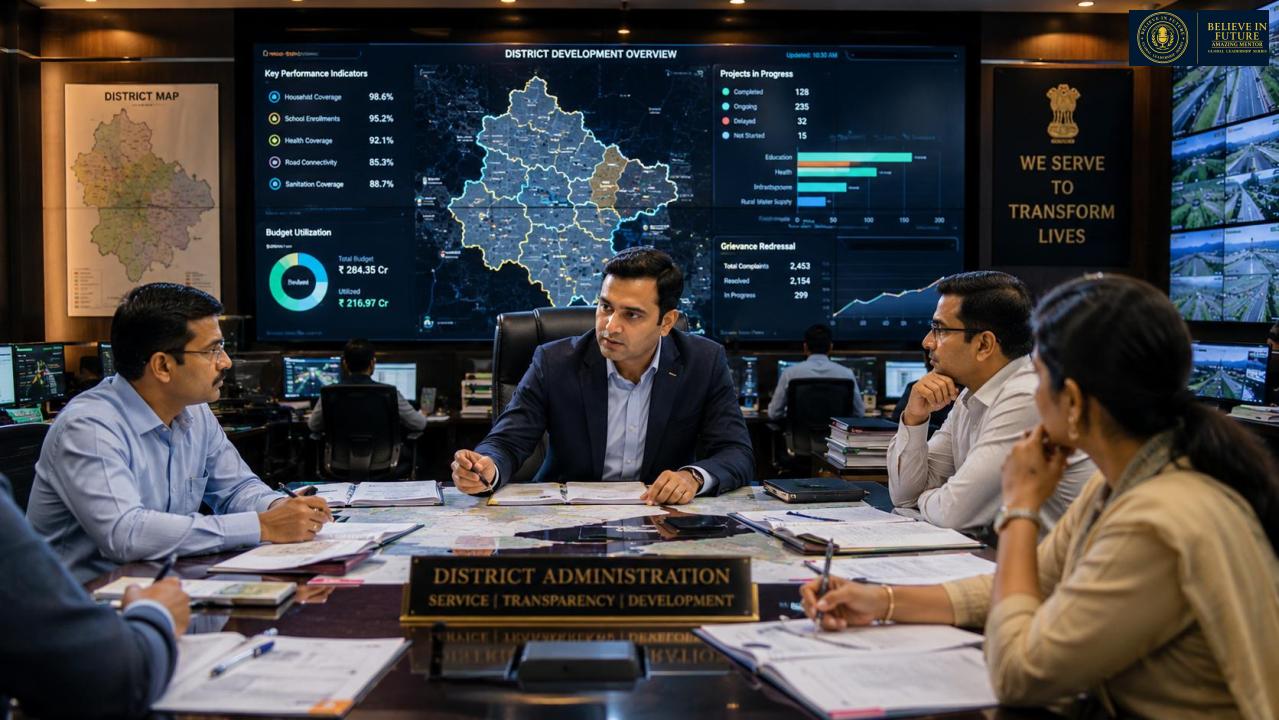
In multiple administrative roles, he has worked to strengthen systems of education, skill development, and infrastructure delivery. His leadership reflects a balance between data-driven governance and human-centered decision-making.
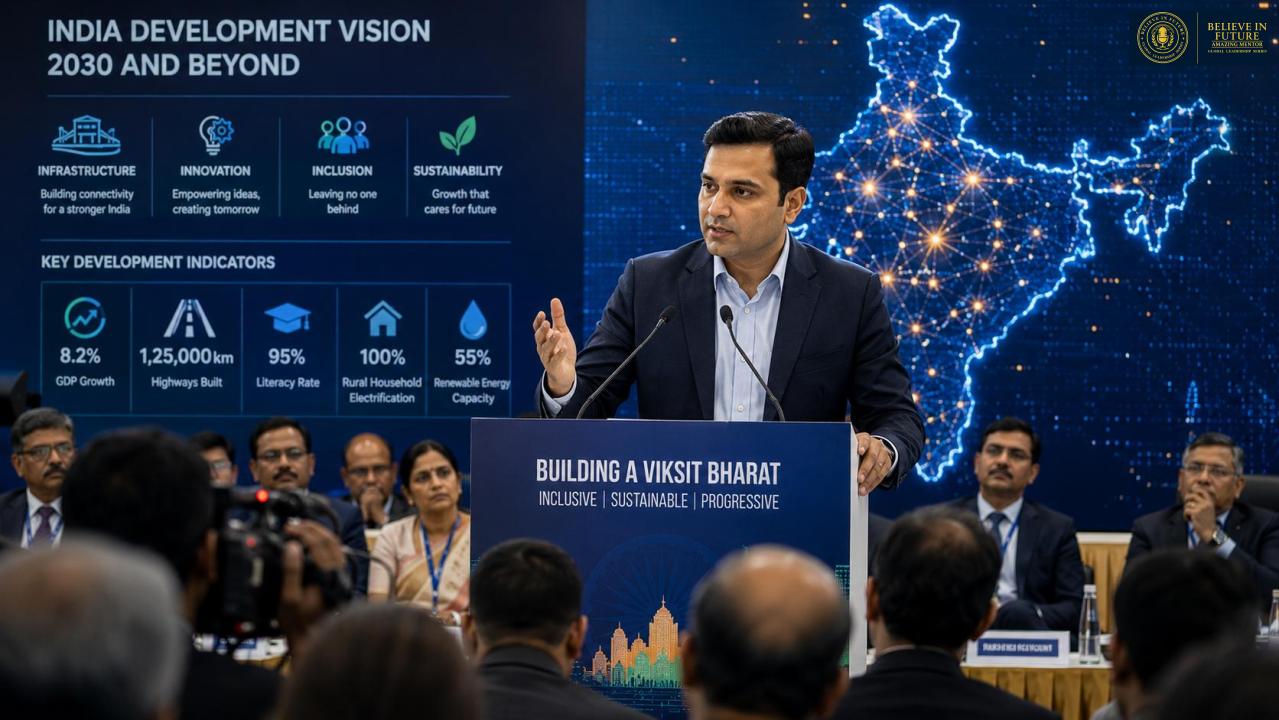
At the core of his philosophy is a simple belief: development is meaningful only when it reaches the last citizen. This principle continues to guide his efforts in building transparent, efficient, and future-ready governance systems.