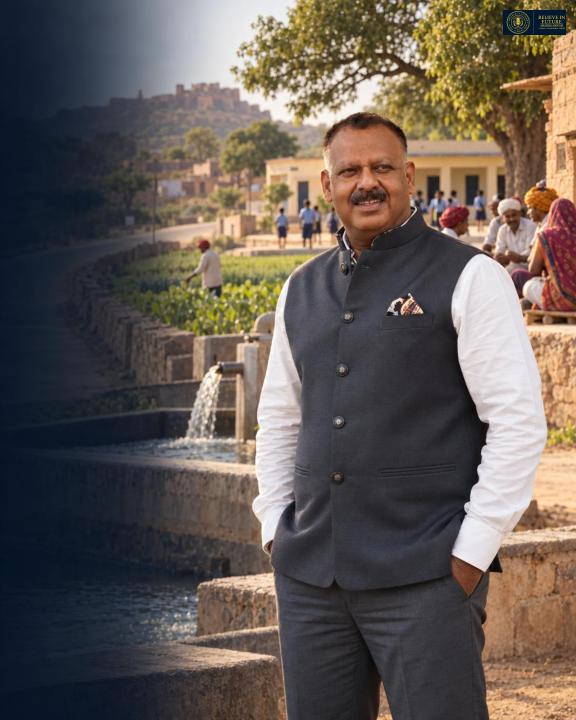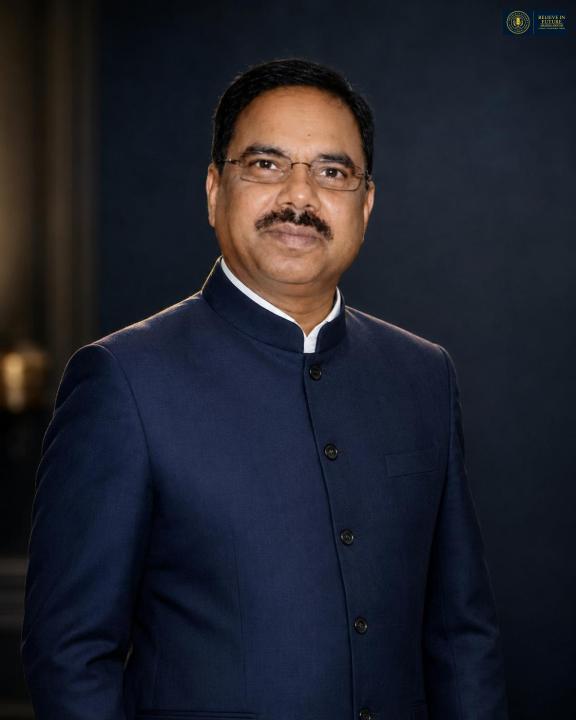


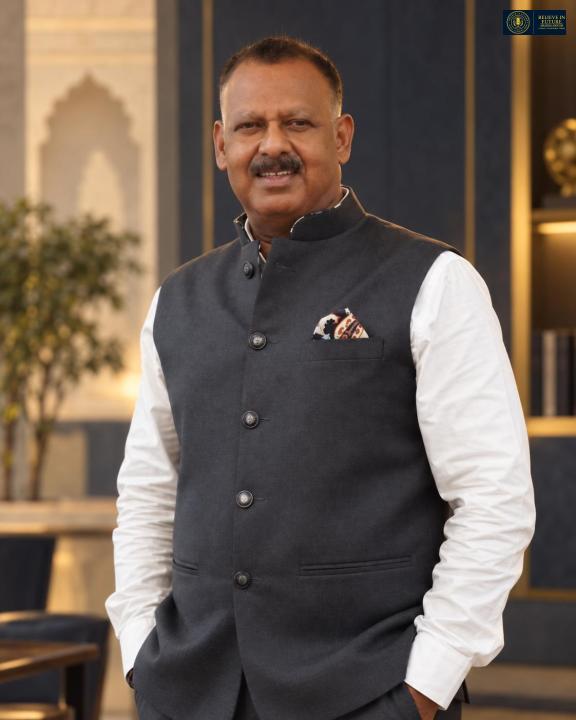



Rohit Kumar is a senior Indian Administrative Service officer of the 1997 Rajasthan cadre whose career has moved from field administration to some of India’s most significant policy and governance institutions. He currently serves as Principal Resident Commissioner, Government of Rajasthan, at Bikaner House in New Delhi. Earlier, at NITI Aayog, he served as Additional Secretary and Mission Director for the Aspirational Districts and Aspirational Blocks Programme, working at the intersection of data-driven governance, grassroots development and Centre–State coordination.
Over nearly three decades in public service, his assignments have included roles connected with district administration, rural development, road transport and highways, the Cabinet Secretariat and NITI Aayog. His work reflects a continuing focus on improving implementation, strengthening institutional coordination and translating policy intent into measurable outcomes for citizens.
His journey offers a distinctive perspective on one of India's central governance questions: how can large public systems remain accountable, evidence-led and efficient without losing sight of the individual citizen at the last mile?
Rohit Kumar’s public-service journey reflects the evolution of Indian administration itself—from field-level problem solving to national policy design. His work has centred on governance, rural development, institutional coordination and last-mile delivery, including leadership of NITI Aayog’s Aspirational Districts and Blocks Programme.
Rohit Kumar belongs to a generation of civil servants whose careers have moved across very different layers of government. His experience has included work connected with rural development, the Cabinet Secretariat and NITI Aayog, giving him a vantage point that spans both implementation and policymaking. Official records from the Cabinet Secretariat and Government of India sources document his senior administrative assignments.
At NITI Aayog, his work became closely associated with the Aspirational Districts and Blocks Programme—an initiative built around convergence, collaboration, competition and measurable progress. The programme seeks to improve outcomes across health, education, agriculture, financial inclusion, skills and infrastructure while keeping States and local administrations central to implementation.
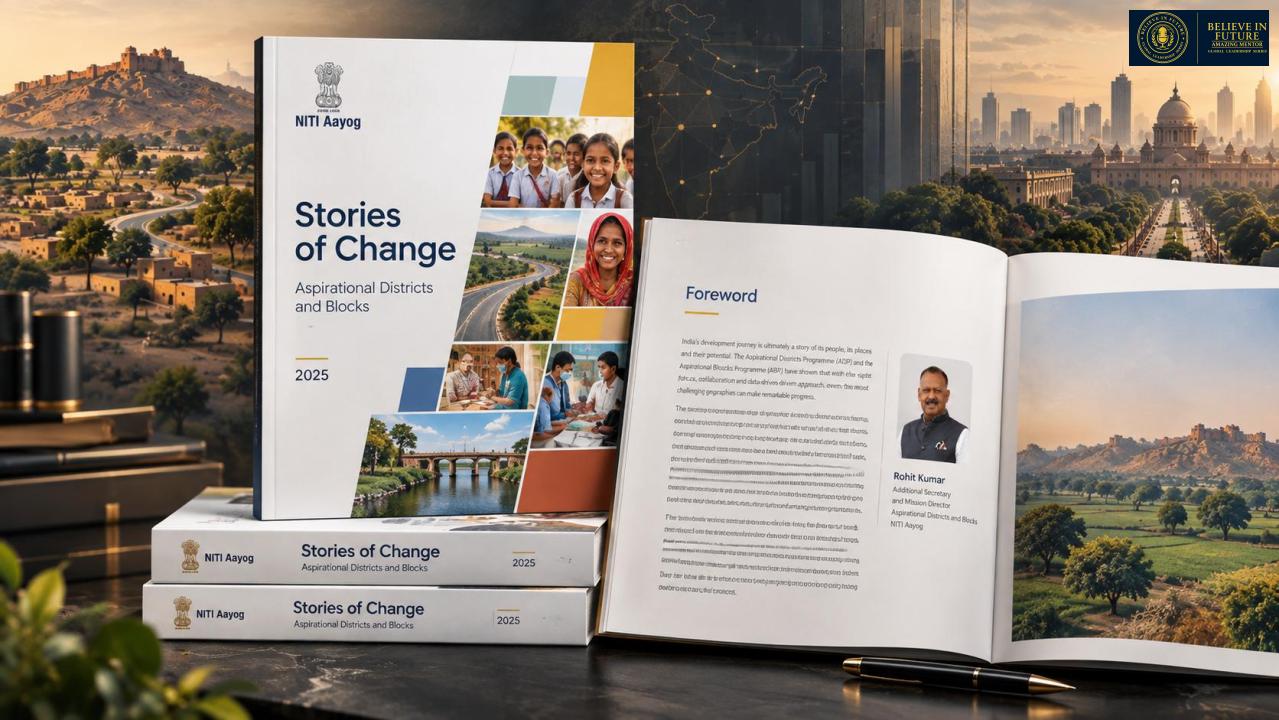
What makes this chapter of his career particularly relevant is the emphasis on the last mile. In the 2025 Stories of Change publication, Rohit Kumar wrote about grassroots innovation, data-backed micro-planning, adaptive leadership and the importance of locally owned development. The underlying idea is simple but demanding: public policy has value only when institutions can translate it into visible outcomes for citizens.
His story therefore goes beyond individual postings. It raises a larger leadership question: how can a vast public system remain data-driven without becoming detached from people? The strongest thread running through his documented work is the attempt to connect national priorities with local context, institutional coordination with accountability, and measurement with meaningful delivery.