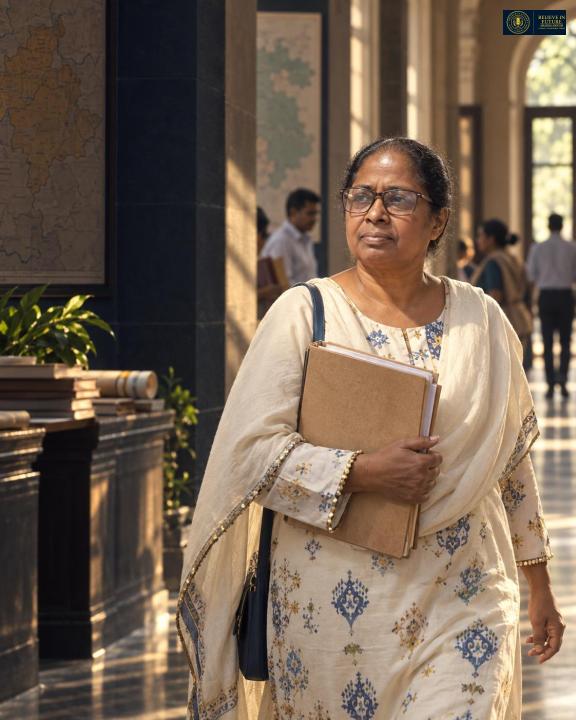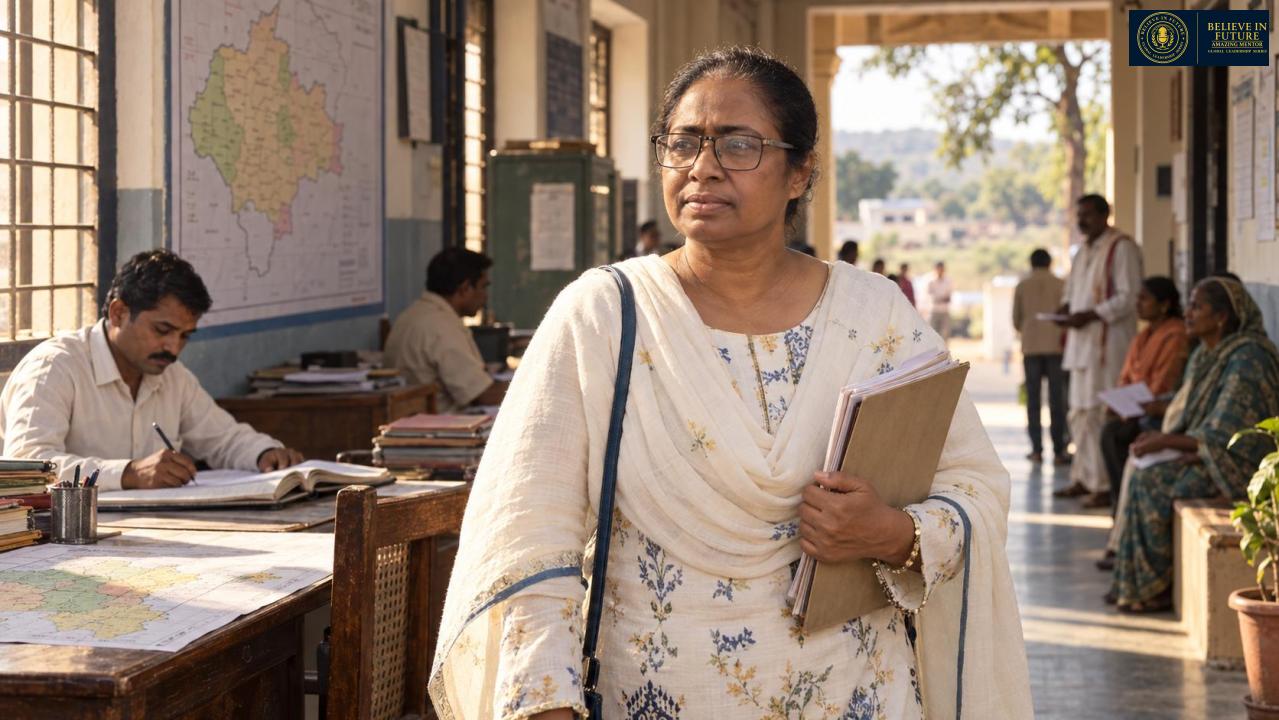







Janki Yadav is an accomplished public administrator and governance professional with more than 32 years of experience in the Madhya Pradesh State Administrative Service. Her career has spanned revenue administration, land governance, urban administration, rehabilitation and resettlement, institutional coordination and citizen-focused public service.
One of the defining chapters of her career was her work between 2017 and 2021 on land acquisition and rehabilitation connected with the Sardar Sarovar Project. Her public profile describes responsibility involving the rehabilitation of approximately 5,500 families across 103 villages, including development of rehabilitation areas, allocation of plots and relief packages, updating land records, addressing grievances and coordinating infrastructure and administrative requirements. Court records also identify her as Land Acquisition and Rehabilitation Officer for the Sardar Sarovar Project at Kukshi.
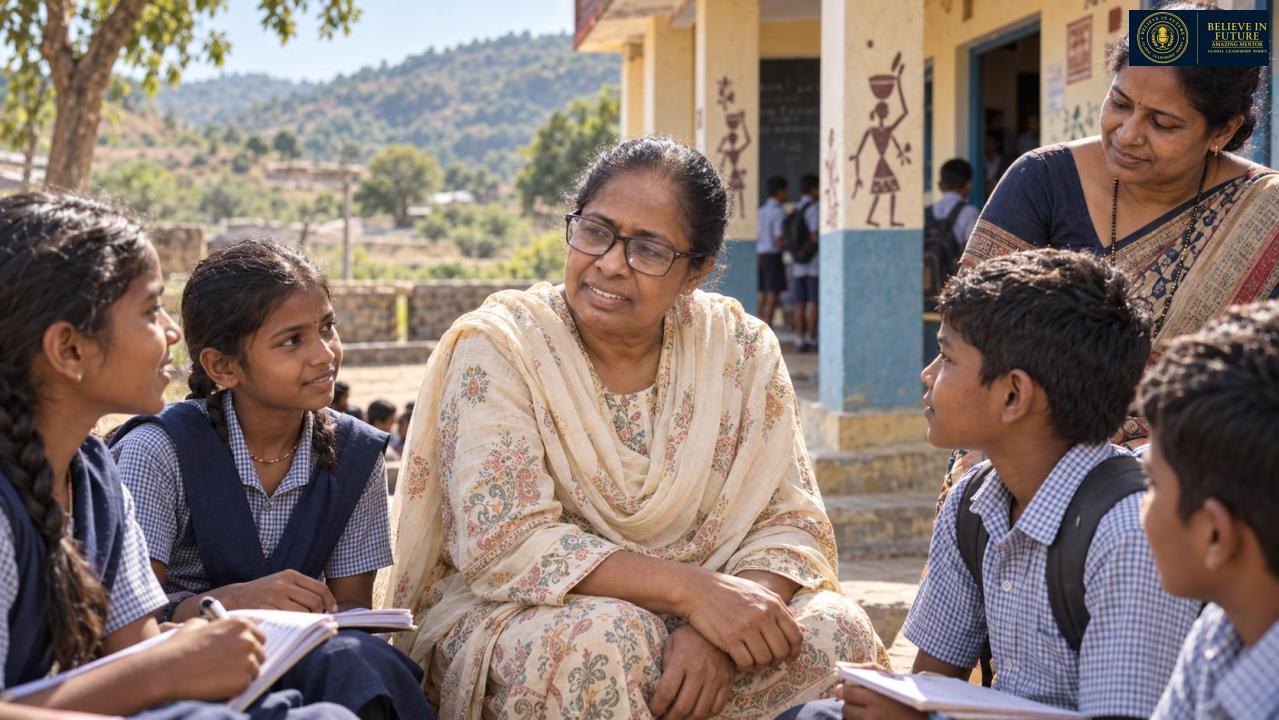
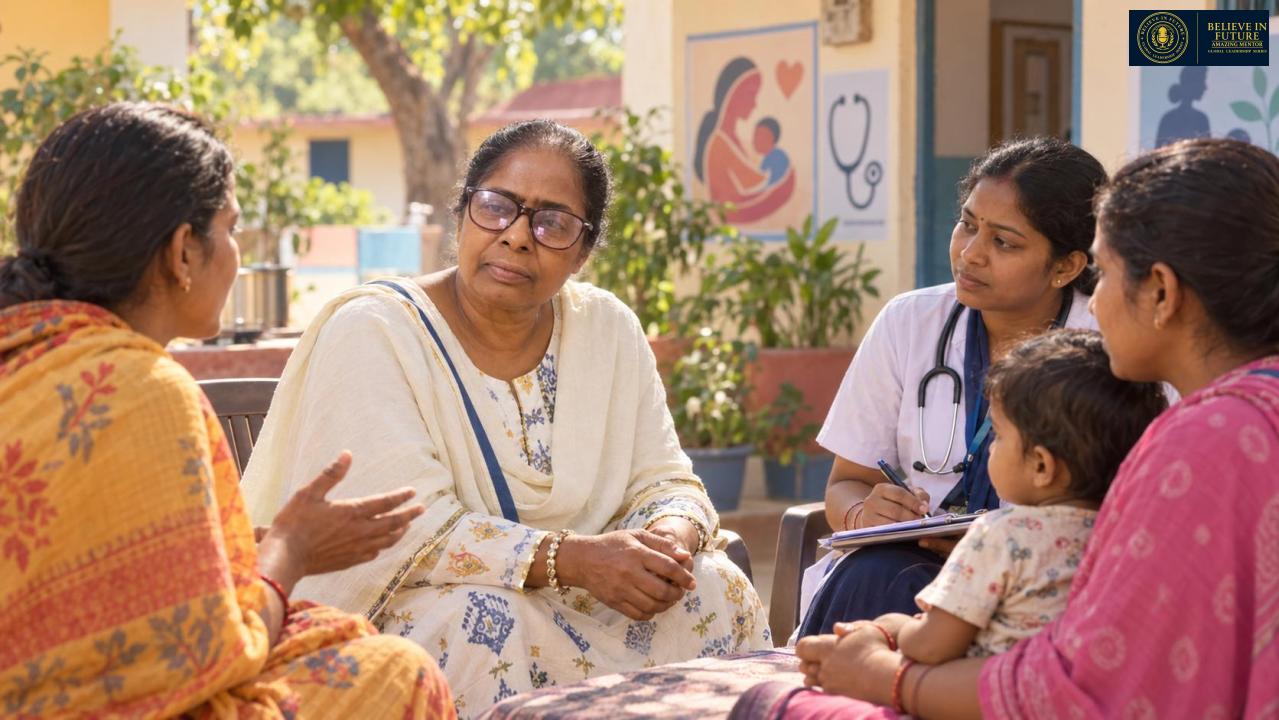
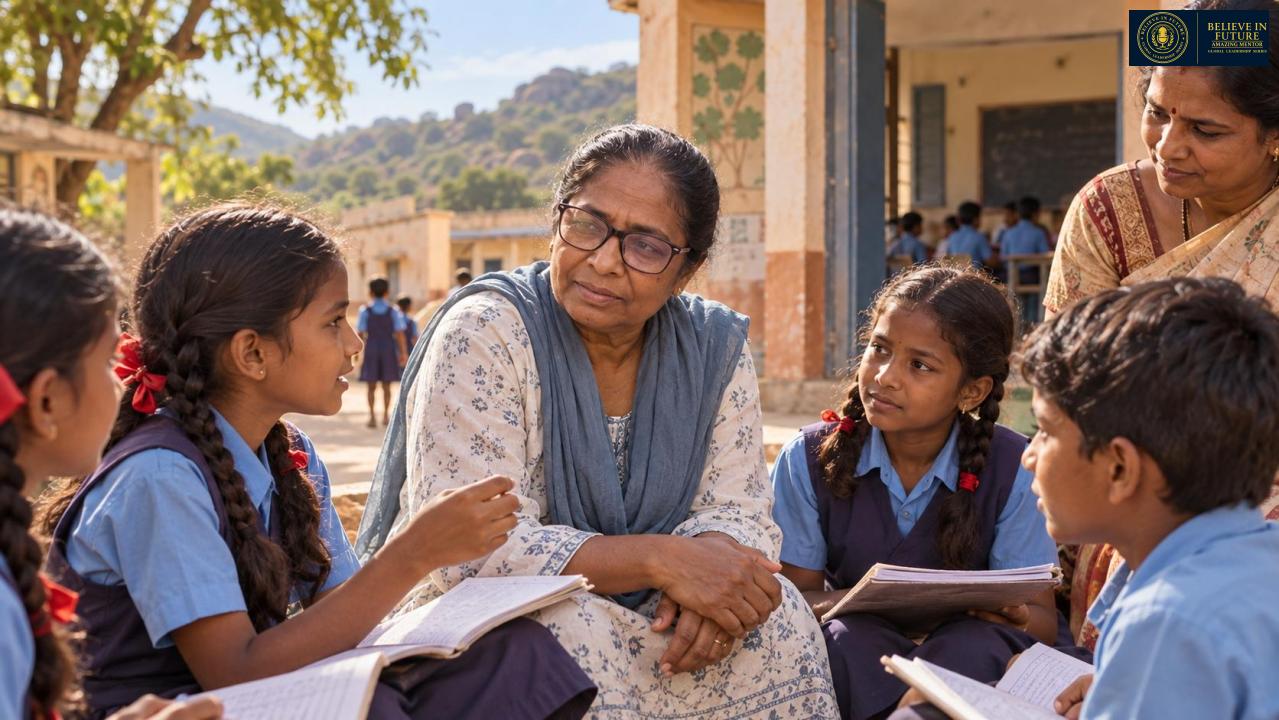
She later served as Additional Collector in the Madhya Pradesh State Administrative Service, handling revenue administration and complex regulatory and interdepartmental matters. After government service, her engagement has continued through education and social-development initiatives. She currently serves as a board member of Priyanshi Educational, Cultural and Social Society, Bhopal, with work connected to girls, school dropouts, health, hygiene, nutrition and community development.
Her recent public writing also reflects a continuing interest in institutional reform, accountability and public trust, including proposals for strengthening the security, transparency and fairness of India's public examination ecosystem.
Janki Yadav’s journey is a story of public service lived close to the ground. Across more than three decades in administration, she worked at the intersection of government, land, rehabilitation, citizens and institutions — where decisions written on paper often carried very real human consequences. Her experience offers a rare perspective on what leadership means when authority must coexist with empathy, fairness and accountability.
Long before senior administrative responsibility became part of her identity, Janki Yadav began with an analytical foundation in engineering. Her career would eventually move far beyond technical problem-solving into one of the most complex environments imaginable — public administration. Across different assignments in Madhya Pradesh, she encountered governance not as an abstract system, but as something experienced every day by citizens through land records, revenue matters, public services, disputes and government decisions.
One of the defining chapters of her career came through land acquisition, rehabilitation and resettlement connected with the Sardar Sarovar Project. The responsibility went far beyond administrative procedure. It involved families, villages, livelihoods, infrastructure, compensation, records and grievances. The experience placed her at the difficult intersection where development, law, displacement and human attachment to land all meet — a space where leadership requires more than simply following a file from one desk to another.
Her journey also illustrates one of the hardest realities of public leadership: different stakeholders can experience the same decision very differently. Government may focus on implementation, citizens on loss and security, and activists on rights and accountability. Working inside that difficult middle demands judgment, patience and the ability to listen without losing administrative clarity. Over time, such experiences shaped a leadership philosophy grounded not merely in authority, but in responsibility for the consequences of authority.
For Janki Yadav, retirement from formal government service did not mean retirement from public purpose. Her continuing engagement with education, social development and institutional reform reflects a broader evolution — from administrator to mentor and public thinker. Her story today is therefore not simply about what she accomplished inside government. It is about what decades of working with institutions and citizens can teach the next generation about integrity, empathy, accountability and public trust.