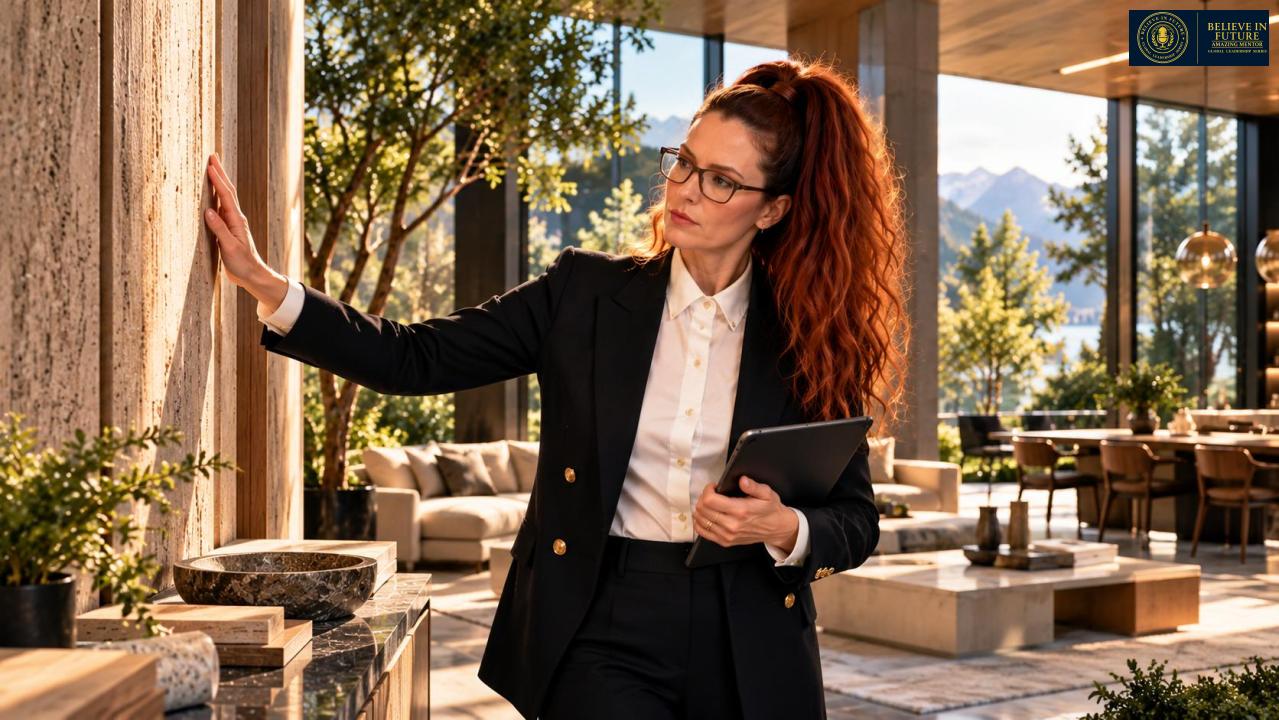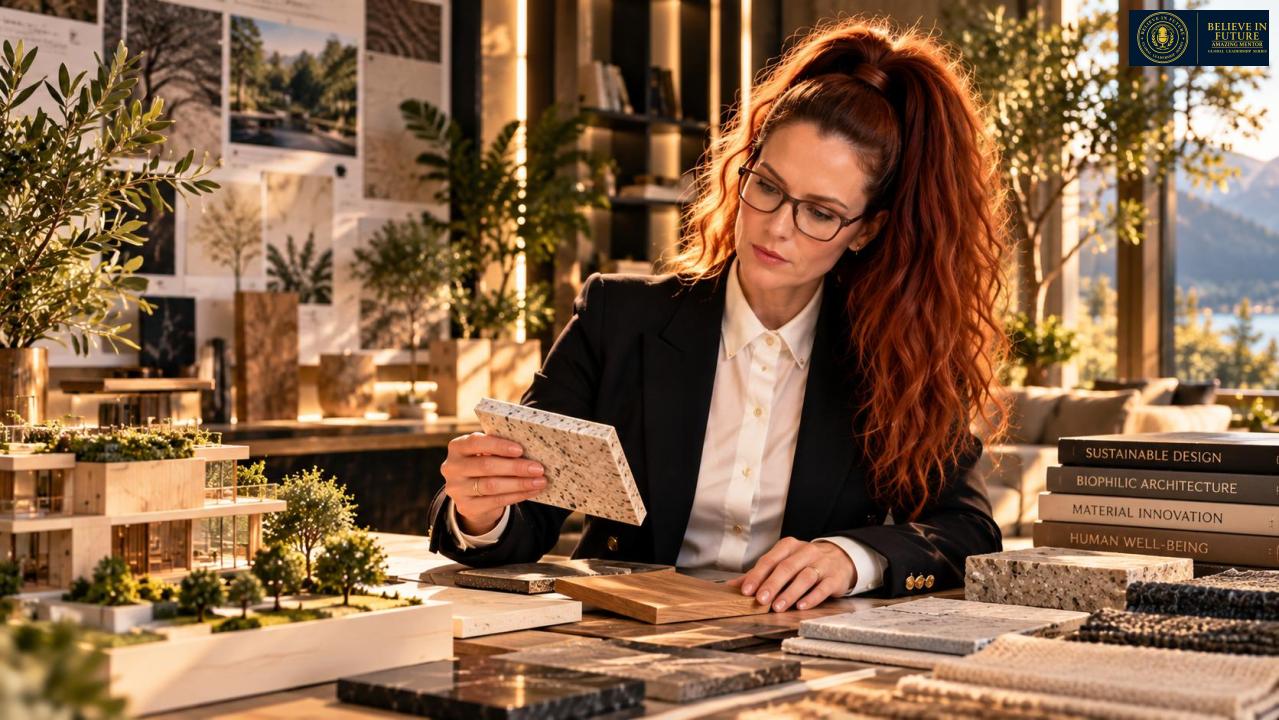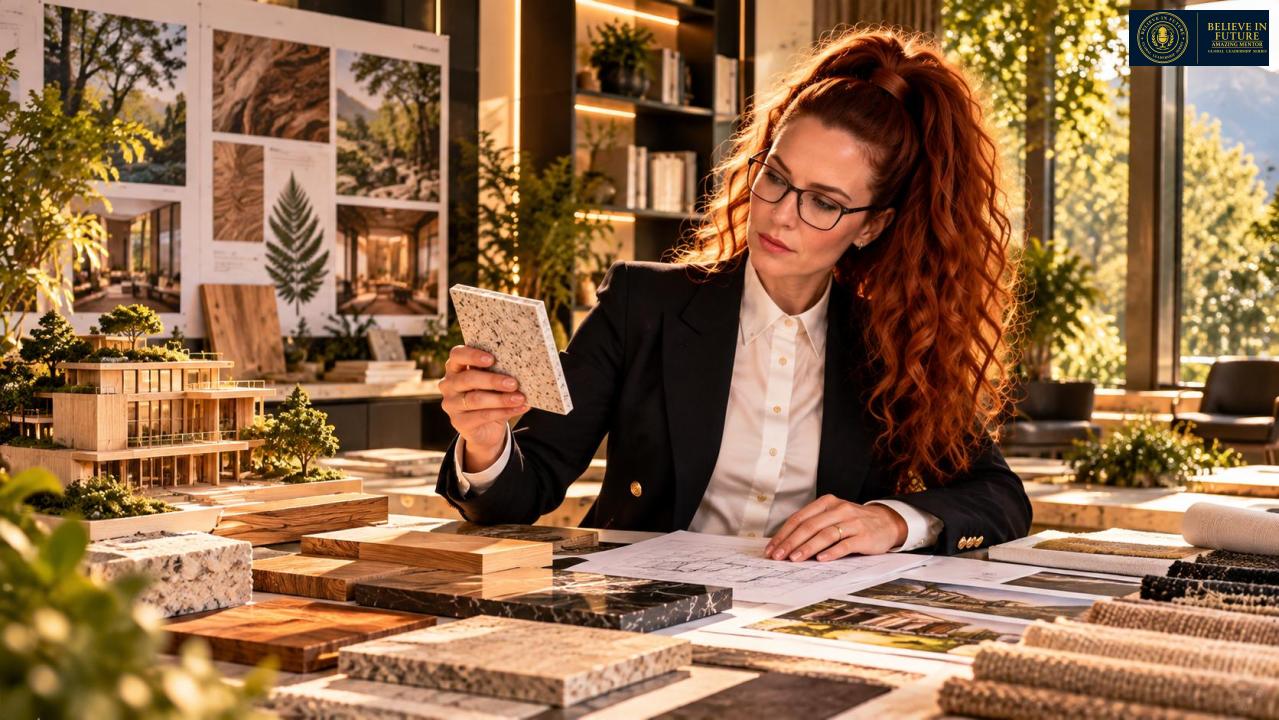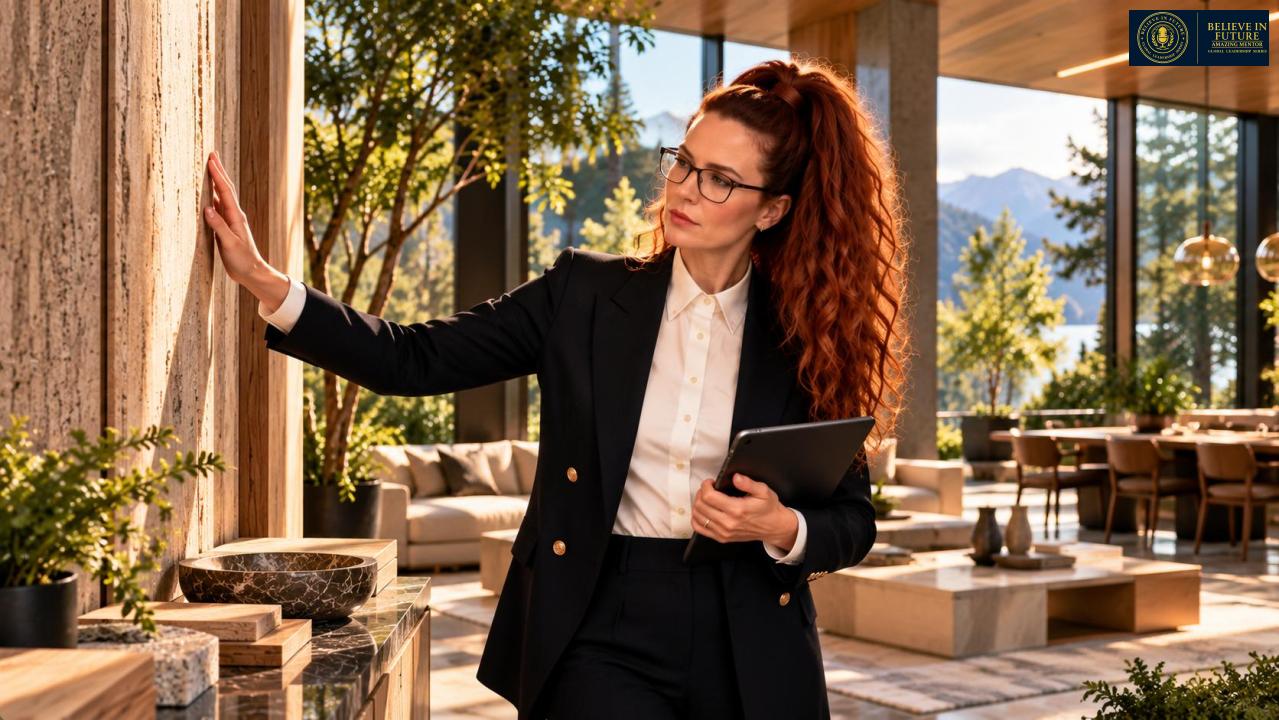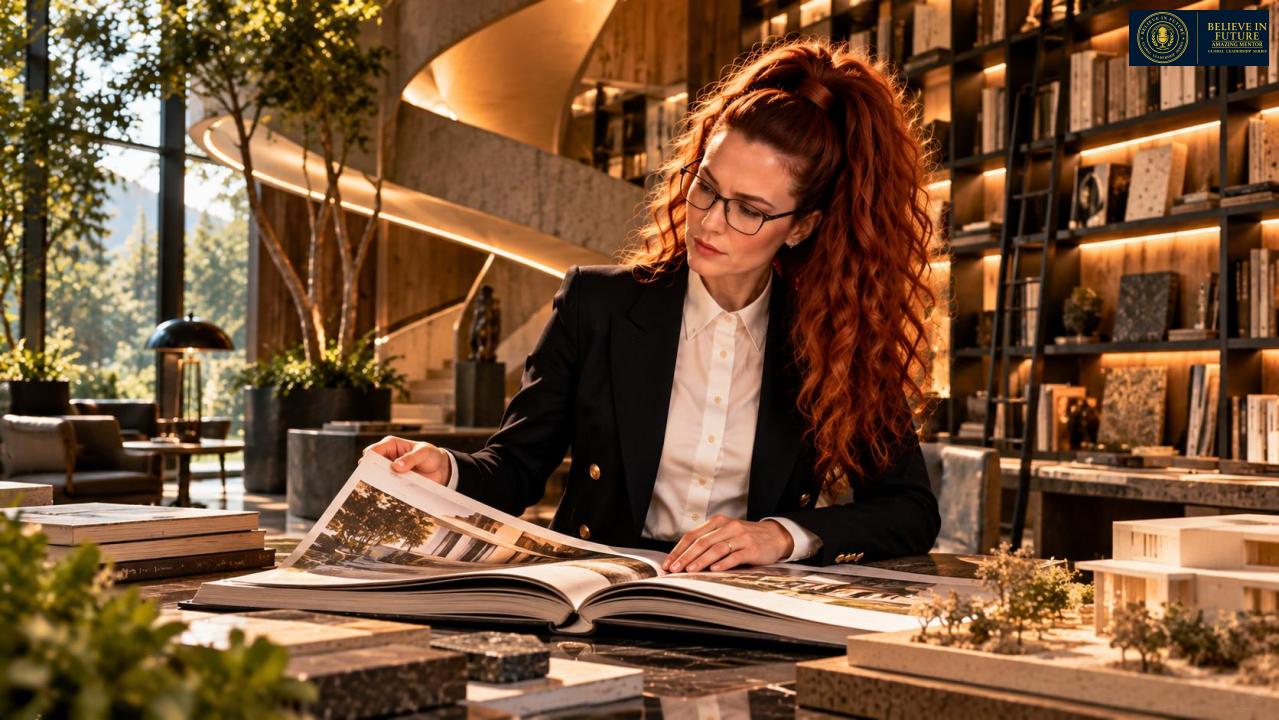
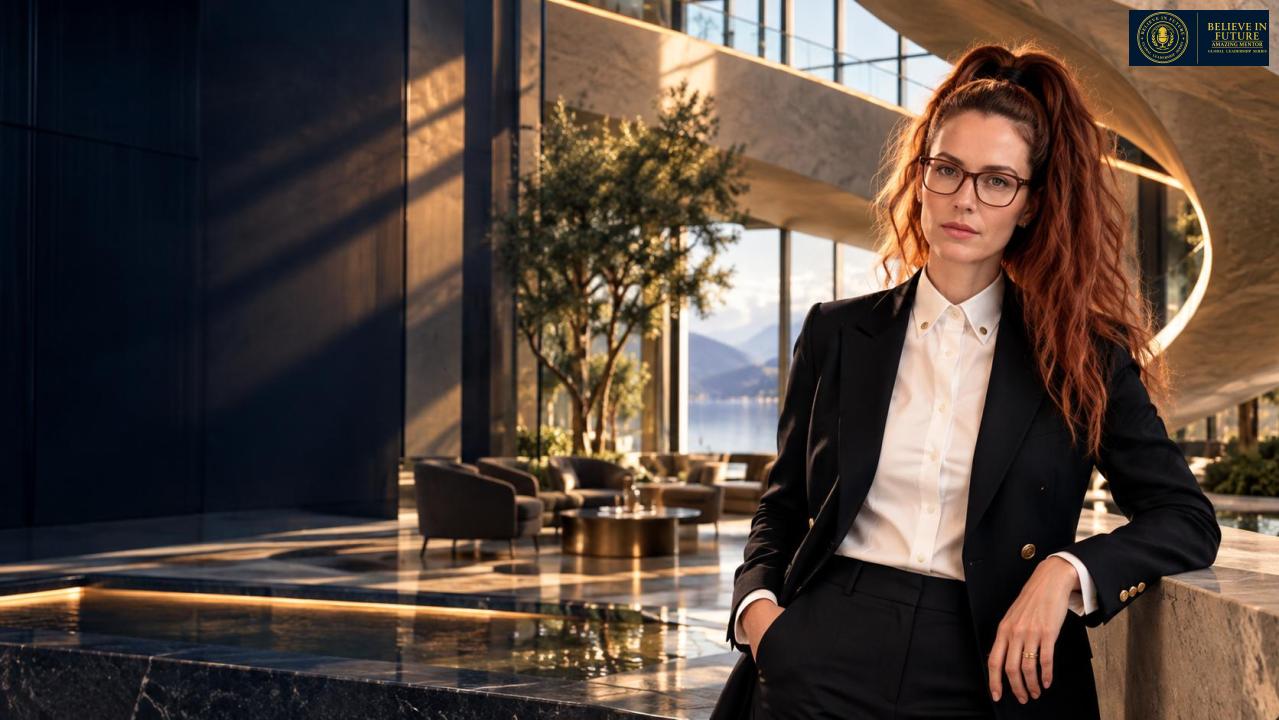

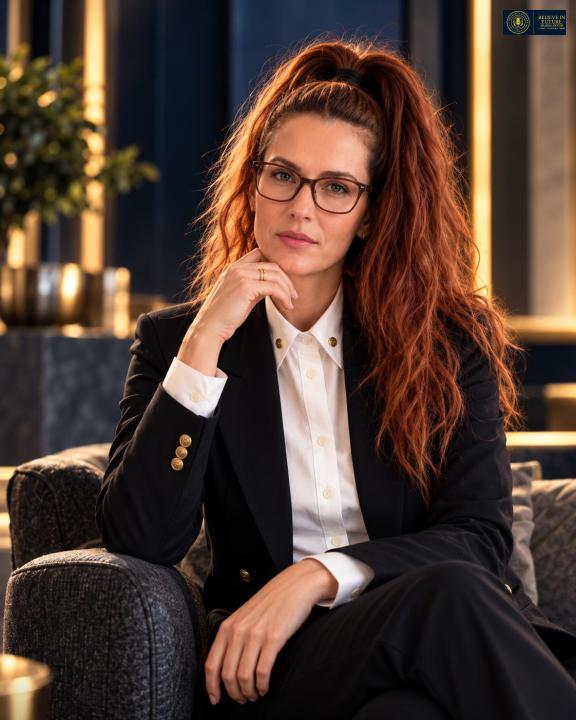

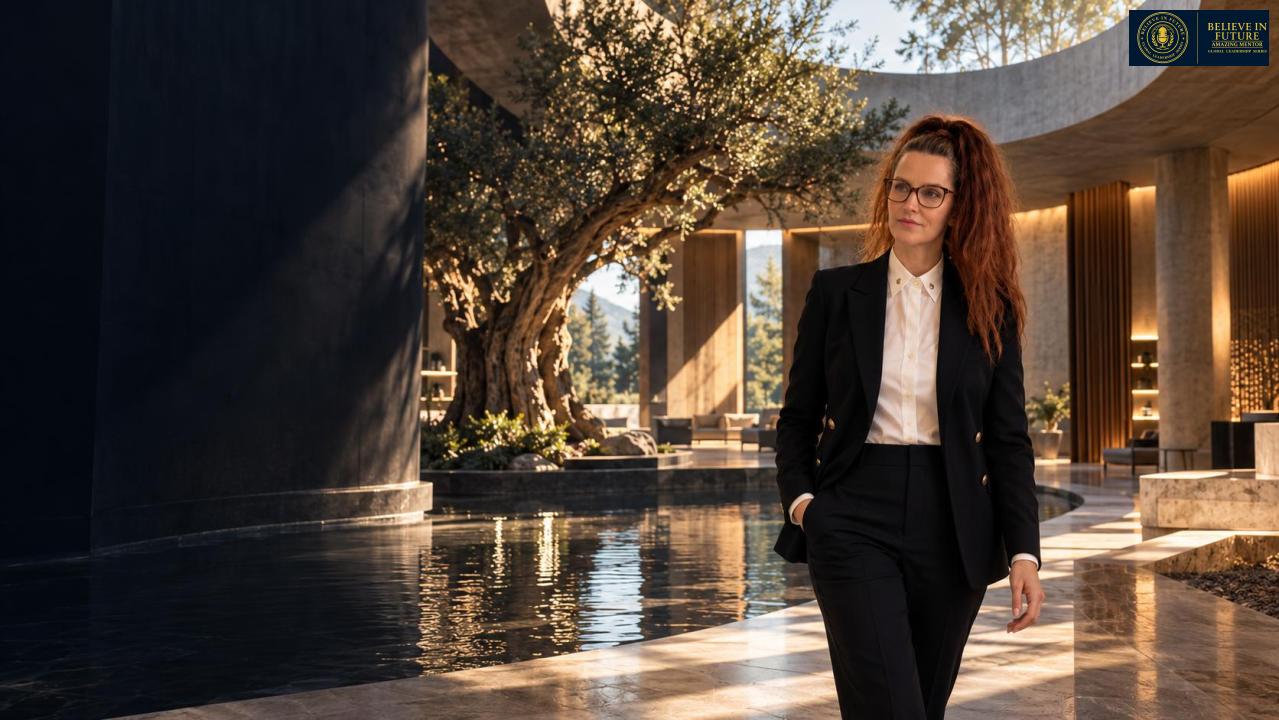
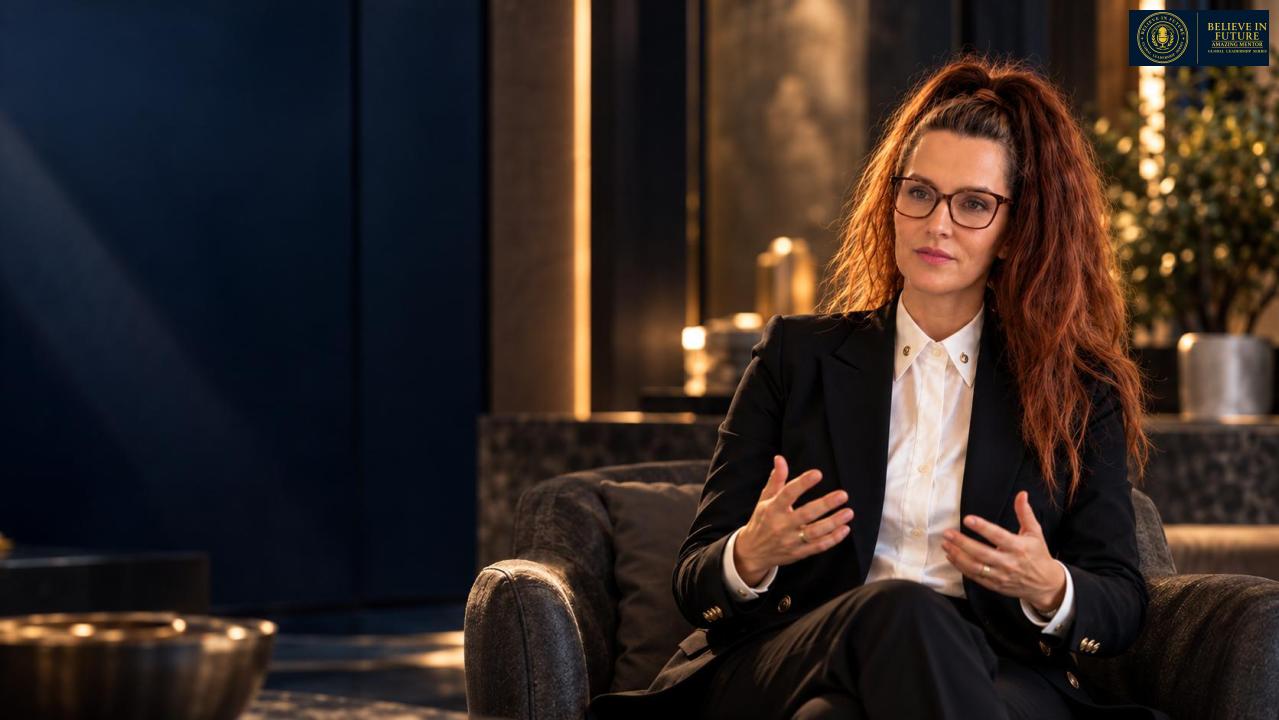
Carmen Keller — Rethinking the Spaces That Shape Our Lives
**What if the environments we create influence not just how we live, but how we experience the world?**
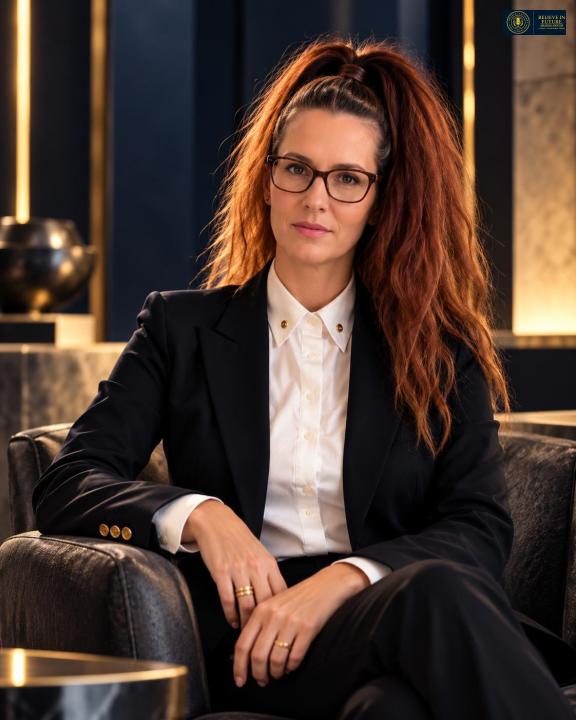
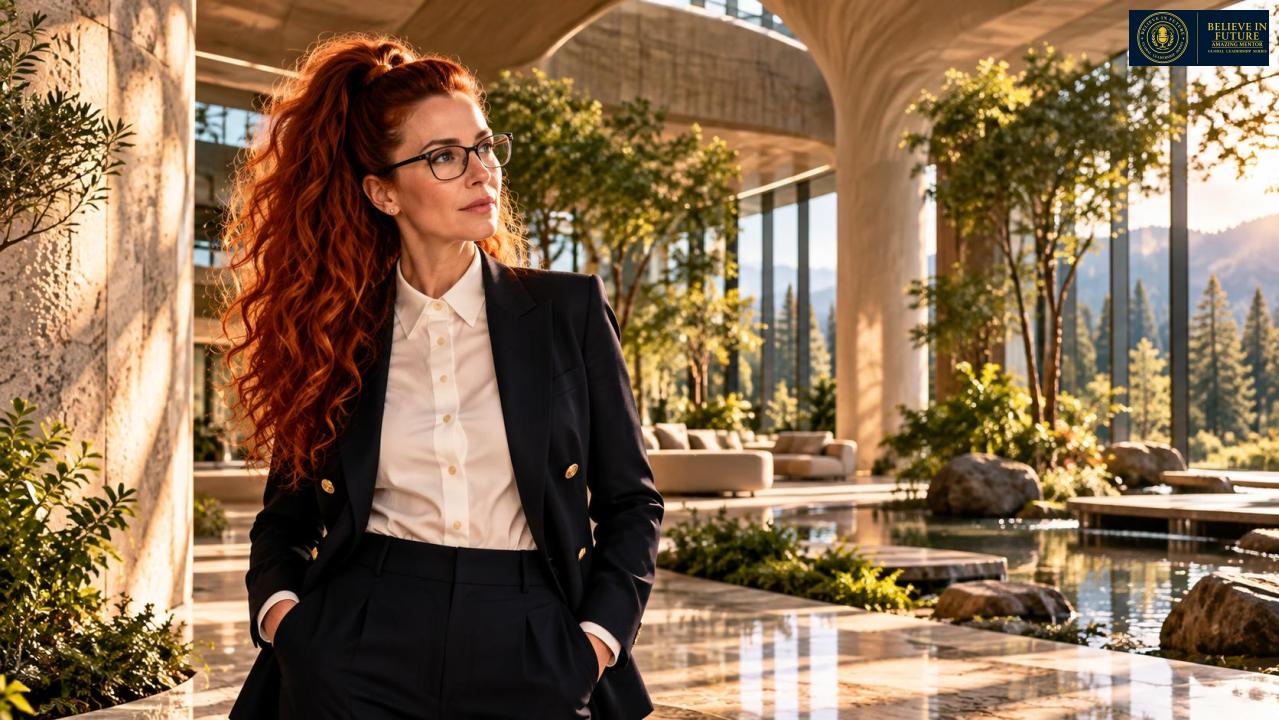
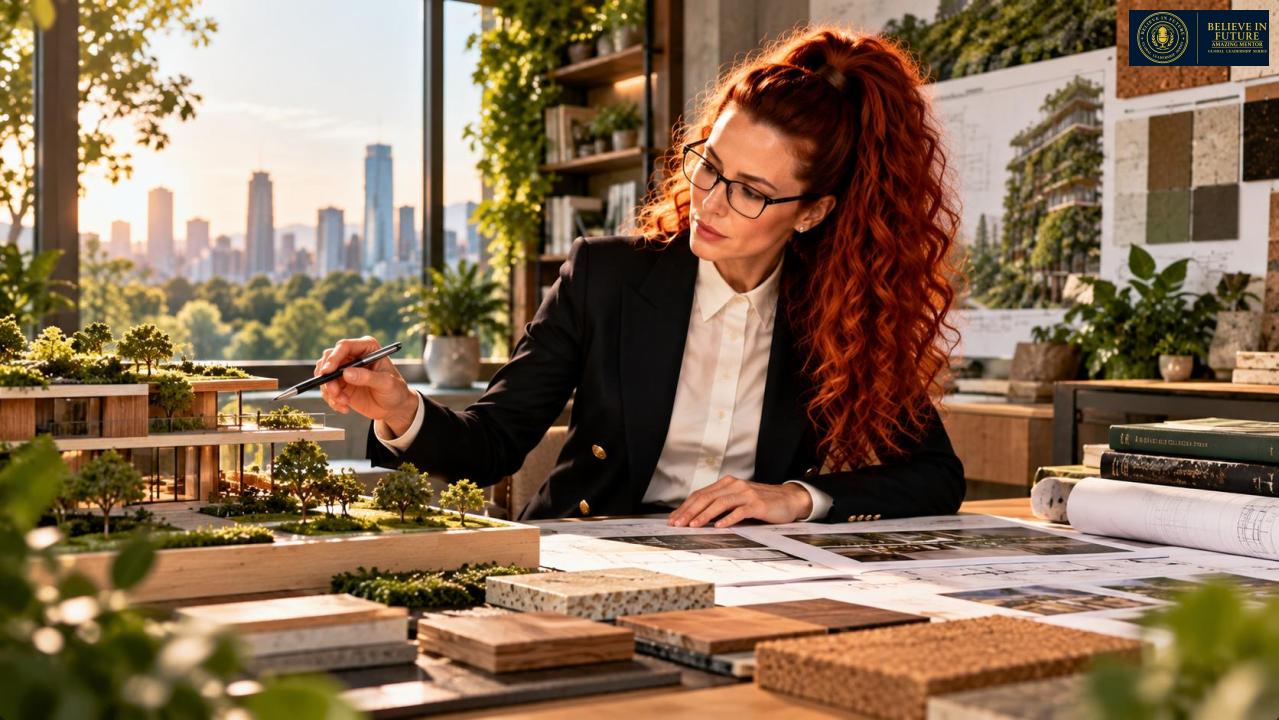
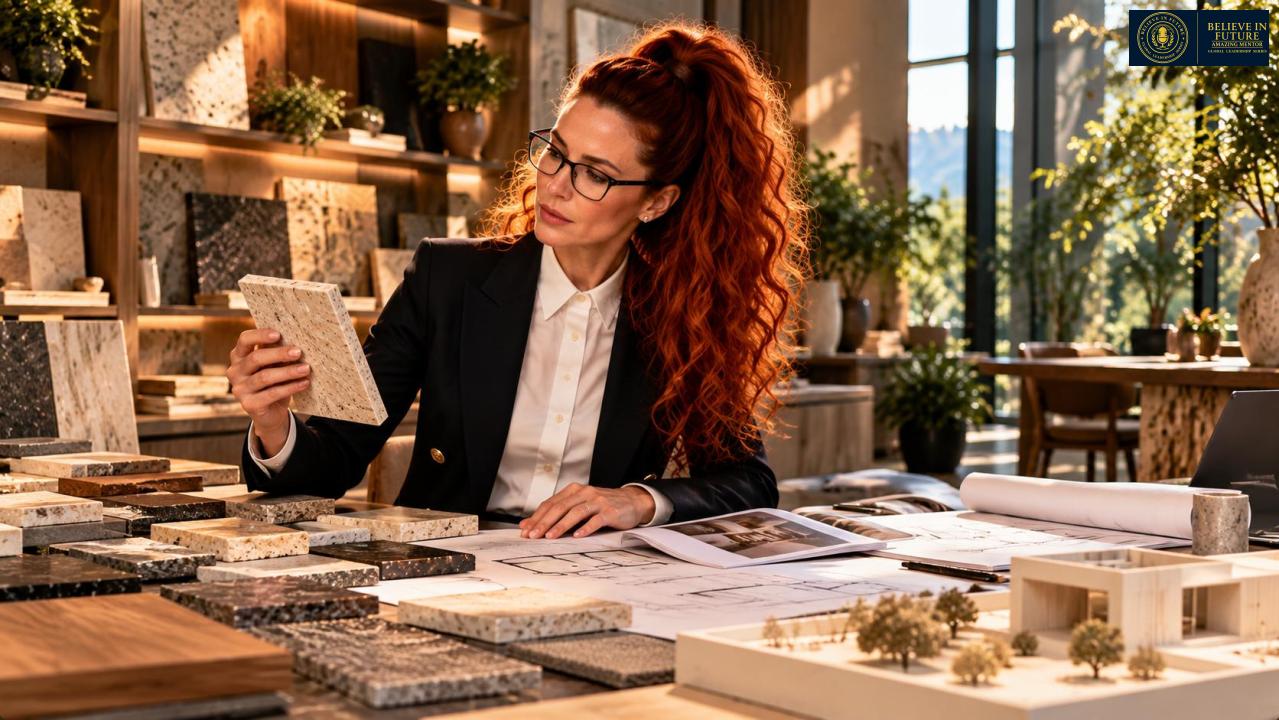
This question lies at the heart of the conversation we explore with Carmen Keller, a professional associated with Bhuman10x whose work and interests connect environmental consulting, interior architecture and human well-being.
In a world where design is frequently measured by aesthetics, luxury and visual appeal, Carmen's professional perspective invites a broader discussion about the relationship between people and their surroundings.
From natural light and ventilation to material choices, environmental responsibility and everyday comfort, the spaces we occupy raise important questions about how we live today and what we should build for tomorrow.
Beyond Aesthetics: A Human-Centered Perspective
Modern architecture and interior design are increasingly challenged to address more than appearance.
Buildings must respond to changing lifestyles, environmental pressures, accessibility and the needs of the people who use them.
Carmen's interests provide a starting point for examining these challenges through a human-centered lens.
What makes a space genuinely supportive of well-being? How can people make more informed choices about their surroundings? And how do we distinguish meaningful environmental improvements from fashionable wellness claims?
These questions have implications not only for design professionals but also for families, entrepreneurs, developers and future leaders.
Design, Responsibility and the Future
The conversation also explores the intersection of environmental thinking and entrepreneurship.
Turning an ambitious vision into practical solutions requires more than creativity. It demands collaboration, commercial understanding, evidence-based decision-making and the willingness to challenge established assumptions.
As cities evolve and technology transforms the built environment, human-centered design may play an increasingly important role in discussions about sustainability, comfort and quality of life.
A Conversation for the Next Generation
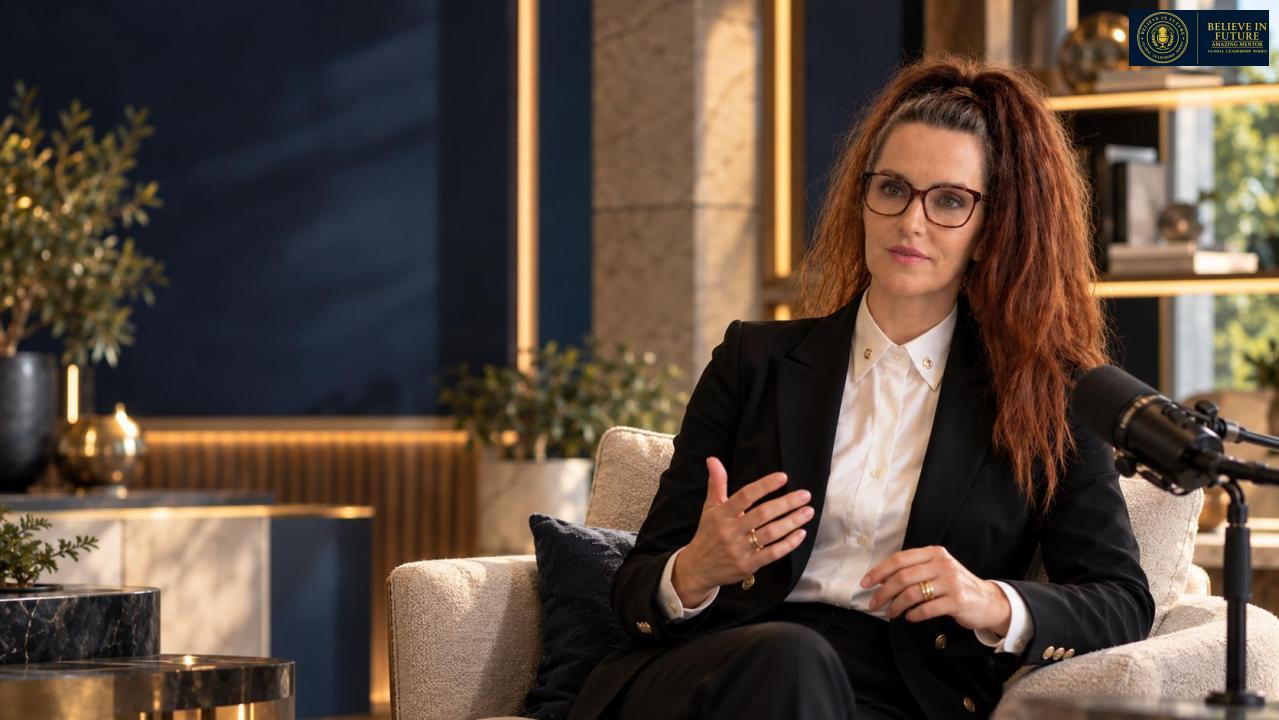
In Believe in Future – Amazing Mentor, Global Leadership Series, host Gaurav Garg explores Carmen Keller's perspectives on the environments we inhabit, the choices that shape our daily experiences and the responsibilities involved in creating better spaces.
The discussion considers the relationship between design and well-being, the challenges of responsible entrepreneurship, the importance of questioning industry claims and the lessons future generations can draw from experienced professionals.
**Because the future is not simply where we live. It is what we choose to create.**
What if the spaces we inhabit are shaping our lives in ways we rarely notice?
For Carmen Keller, the relationship between people and their surroundings opens up a much bigger conversation about how we design the future.
Working at the intersection of environmental design, human well-being and thoughtful living, Carmen explores a compelling idea: that the quality of our environments deserves as much attention as their appearance.
Her perspective invites us to rethink architecture, question conventional approaches to wellness and imagine spaces designed around human needs.
In Believe in Future – Amazing Mentor, Global Leadership Series, hosted by Gaurav Garg, we explore the thinking behind this vision and the possibilities it creates for future generations.
**THE INVISIBLE INFLUENCE OF OUR ENVIRONMENTS**
We often judge a building by what we can see: its architecture, materials, proportions and aesthetic appeal. Yet the experience of occupying a space involves far more than visual beauty.
Light, sound, air quality, temperature, spatial arrangement and the relationship between indoor environments and nature can all influence how people experience everyday life.
Carmen Keller's professional interests bring these questions into focus.
Her work and ideas invite a different starting point for design: rather than asking only how a space should look, we should also ask how people will experience it.
This perspective shifts the conversation from decoration toward human-centered environmental thinking.
It raises an important question for architects, developers and individuals alike: are we creating environments merely to occupy, or environments that genuinely respond to human needs?
**WHEN DESIGN BECOMES A RESPONSIBILITY**
The connection between environmental design and human well-being is increasingly relevant in a world shaped by urbanization, changing lifestyles and growing concern about sustainability.
Carmen's professional interests, including concepts associated with Bhuman10x, sensory ecology and bioharmonic architecture, provide a starting point for examining how built environments might better support the people who use them.
But meaningful innovation requires more than attractive terminology.
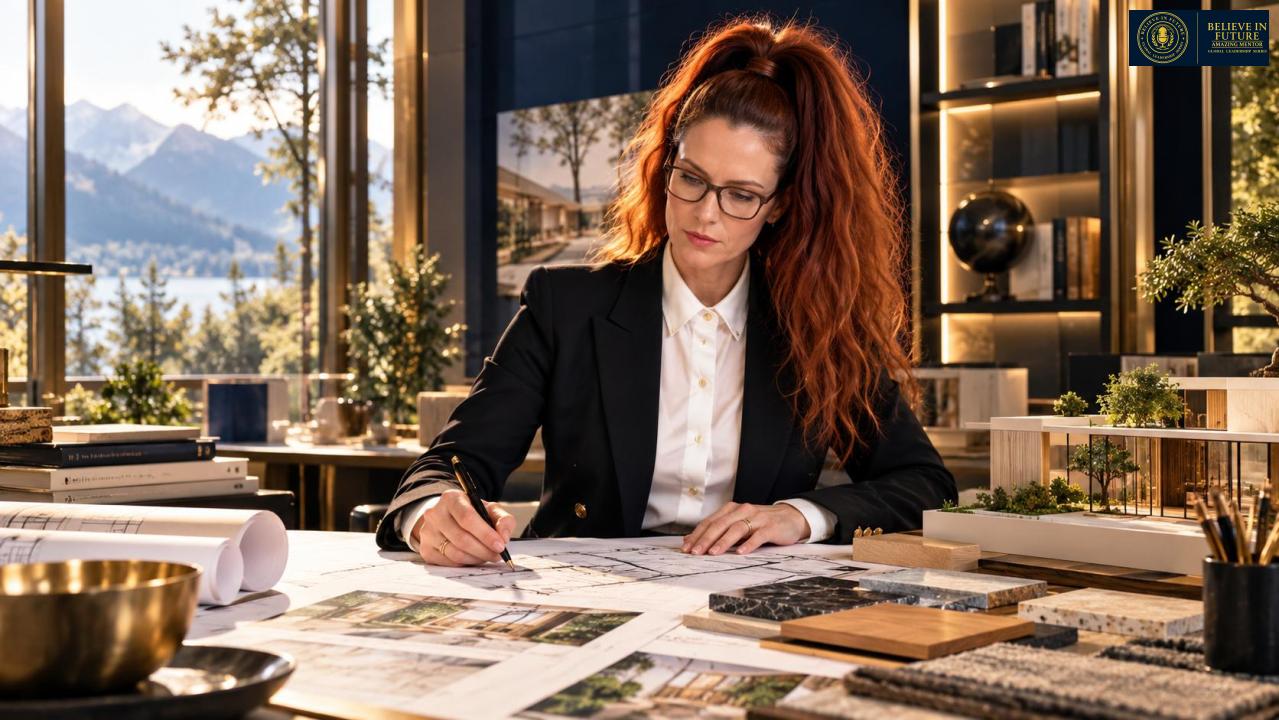
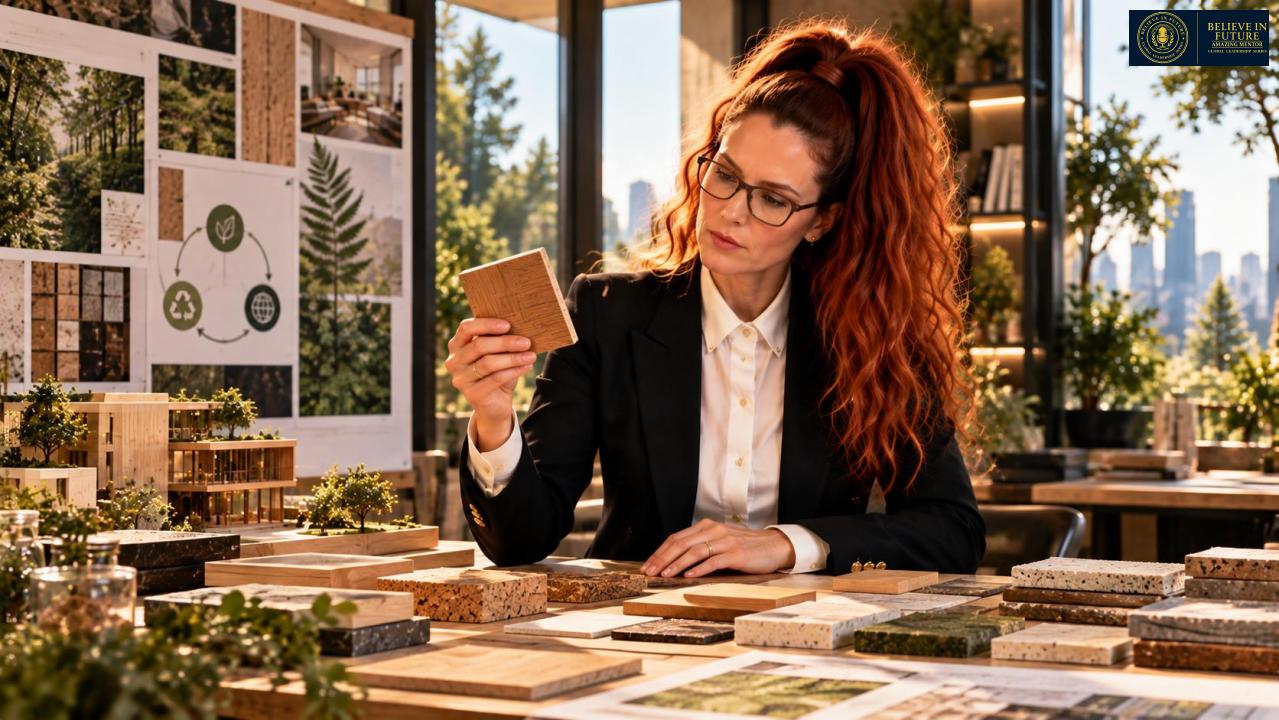
It demands careful attention to materials, environmental conditions, practical usability, accessibility and evidence.
A thoughtfully designed environment should consider the realities of daily life: the family living in a compact apartment, the employee spending long hours indoors, the older person seeking comfort and independence, and the child growing up in an increasingly urban world.
The challenge is not simply to imagine extraordinary spaces. It is to explore how better environmental decisions can become practical, responsible and accessible.
**THE QUESTION THAT DESIGN MUST ANSWER**
Wellness has become a powerful theme in contemporary architecture and interior design. Homes, offices and hospitality spaces are increasingly presented as environments that promote healthier, more balanced lifestyles.
Yet this growing interest creates an equally important responsibility: distinguishing meaningful environmental improvements from unsubstantiated promises.
What makes a space genuinely supportive of human well-being?
Which design decisions are backed by credible evidence?
How should professionals evaluate environmental performance, material choices and long-term usability?
And perhaps most importantly, can the benefits of thoughtful design extend beyond luxury developments to reach ordinary communities?
These questions create a valuable foundation for the conversation with Carmen Keller.
The future of environmental design will depend not only on creativity and ambition, but also on transparency, accountability and the willingness to challenge assumptions.
**THE FUTURE IS NOT JUST BUILT. IT IS EXPERIENCED.**
The next generation will inherit cities, buildings and living environments shaped by decisions being made today.
As technology, artificial intelligence and environmental innovation influence the built world, an important question emerges: how can these developments serve people rather than simply introduce greater complexity?
The opportunity lies in combining design intelligence with environmental responsibility and a deeper understanding of human experience.
For future leaders, this means looking beyond immediate commercial outcomes and considering the lasting consequences of what they create.
Carmen Keller's perspective offers an opportunity to explore this wider responsibility.
Through Believe in Future, Gaurav Garg brings the conversation back to the human dimension of leadership: the choices we make, the assumptions we question and the legacy we hope to leave behind.
Because the future of living is ultimately about more than buildings.
It is about the people whose lives unfold within them.