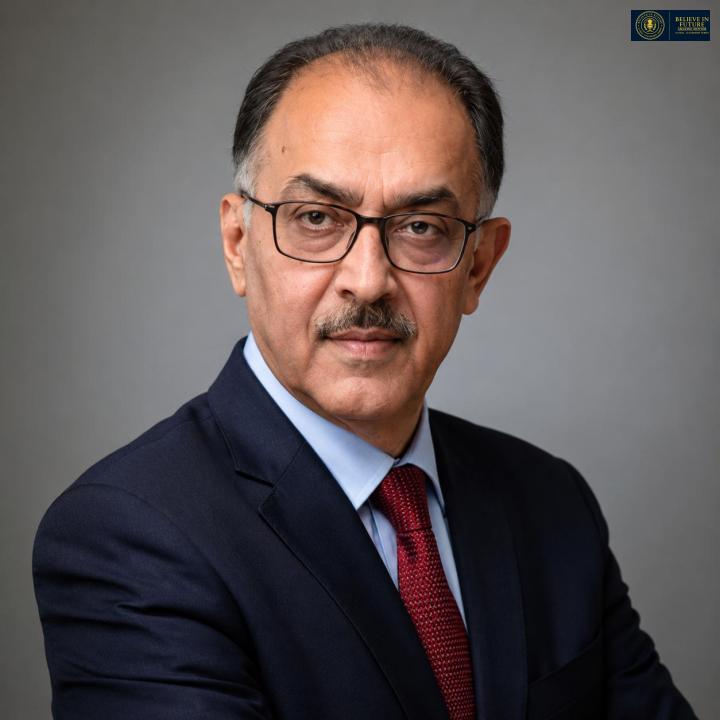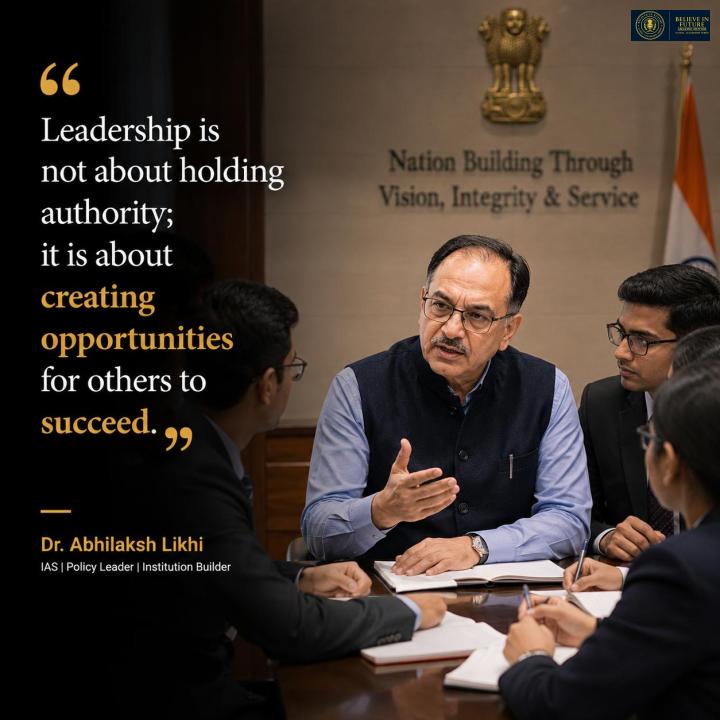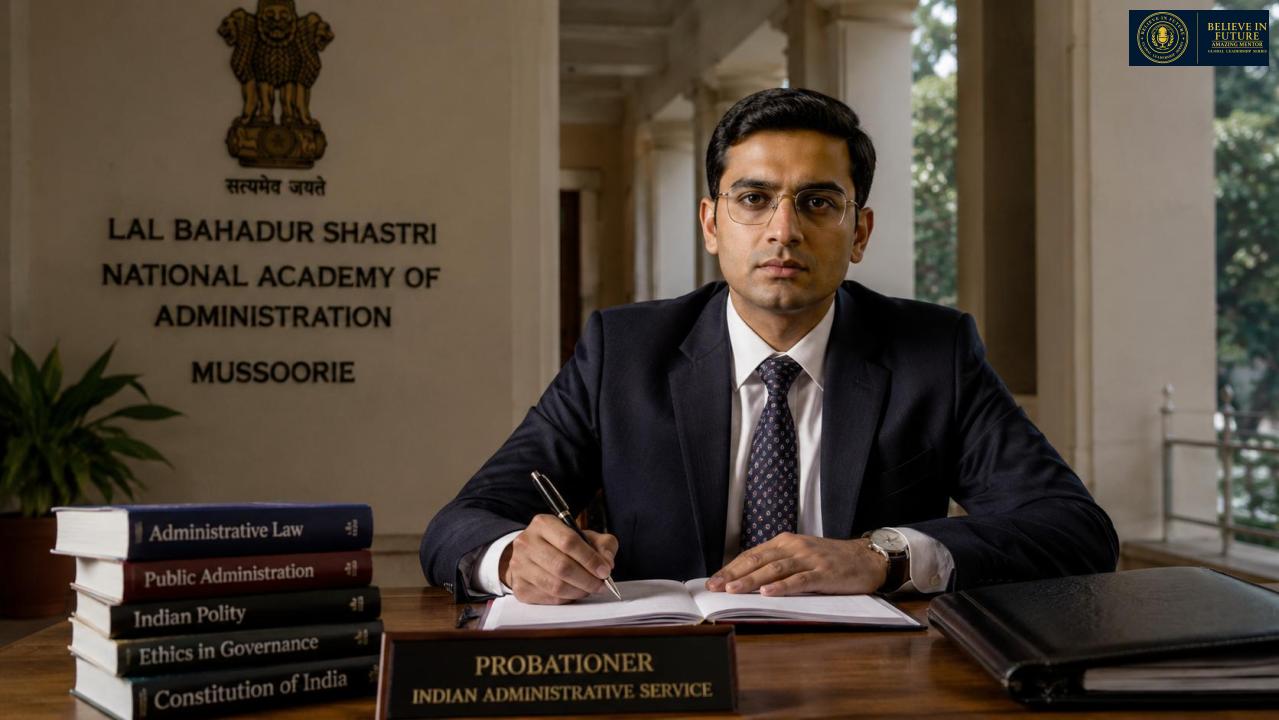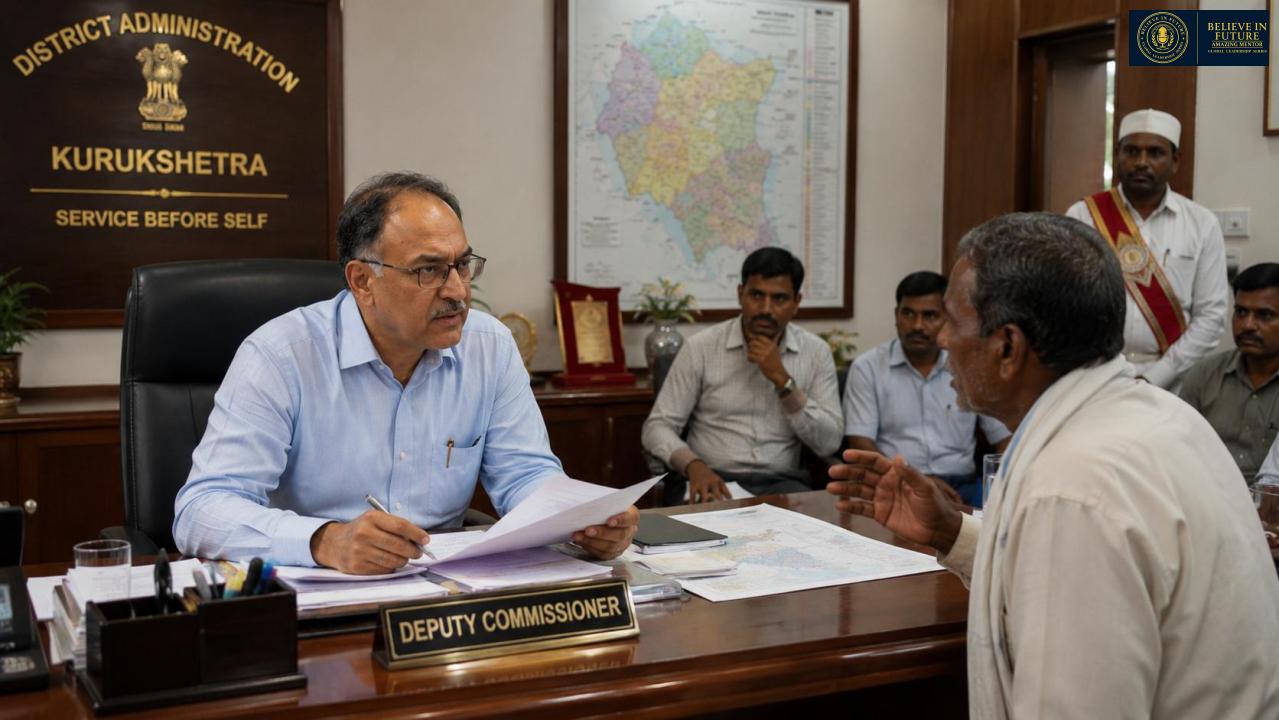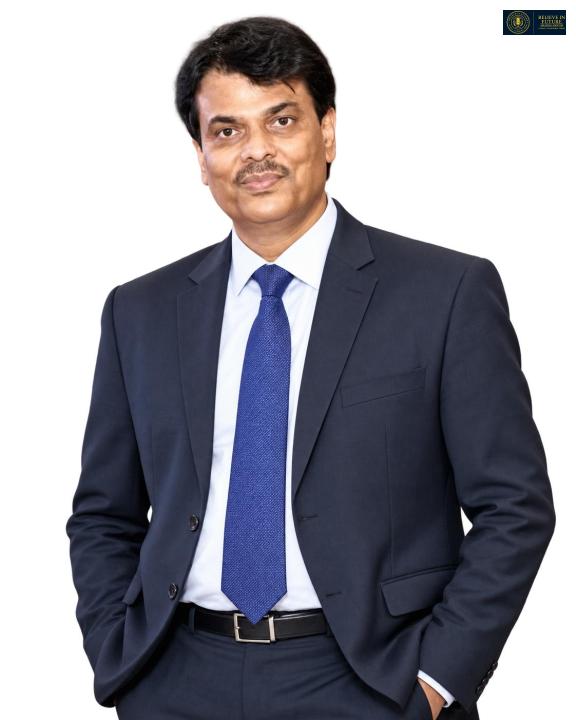

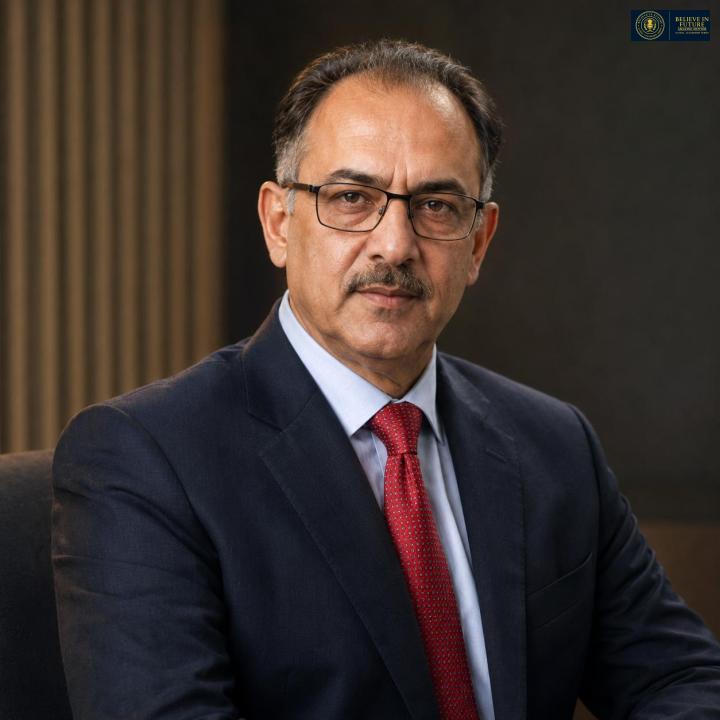

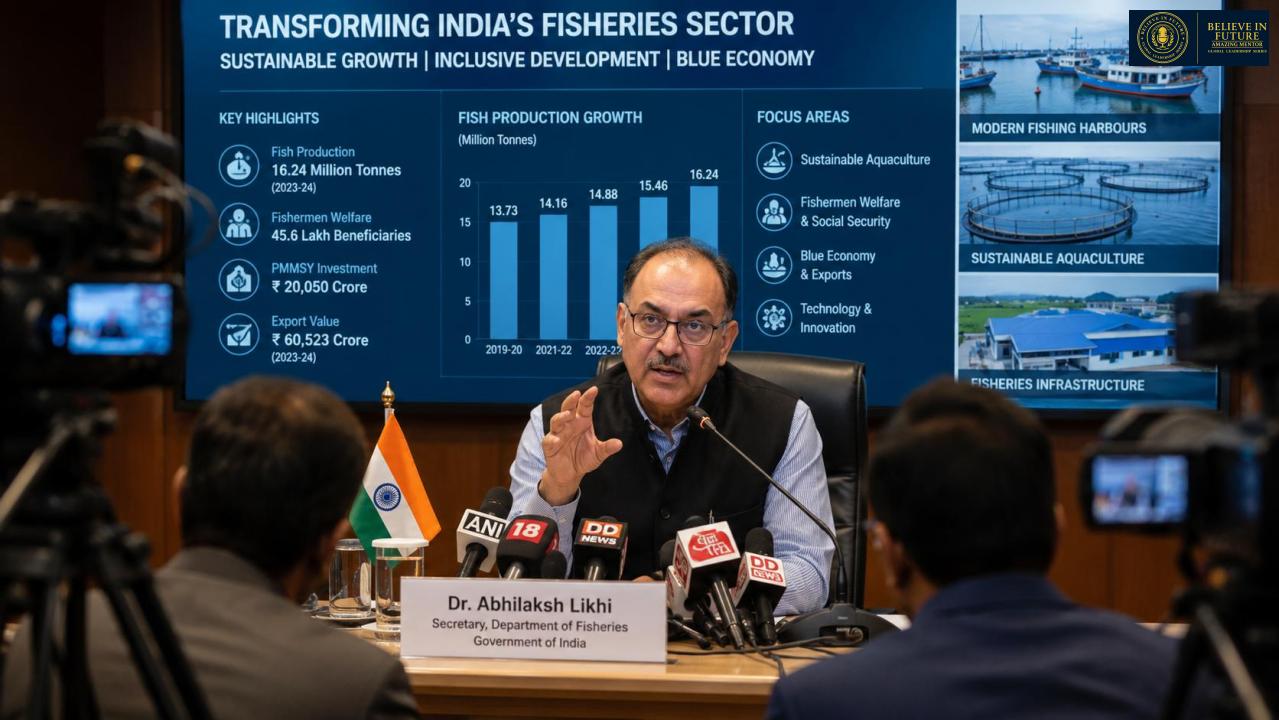
Dr. Abhilaksh Likhi is a distinguished IAS officer of the Haryana Cadre (1991 Batch) whose career spans over three decades of public service at both state and national levels. His administrative journey includes key leadership roles as Deputy Commissioner, Kurukshetra; Commissioner, Municipal Corporation Faridabad; Registrar Cooperative Societies; Director Panchayats Haryana; Principal Secretary for Agriculture, Tourism, and Animal Husbandry in Haryana; and Director General of Information, Public Relations and Cultural Affairs.
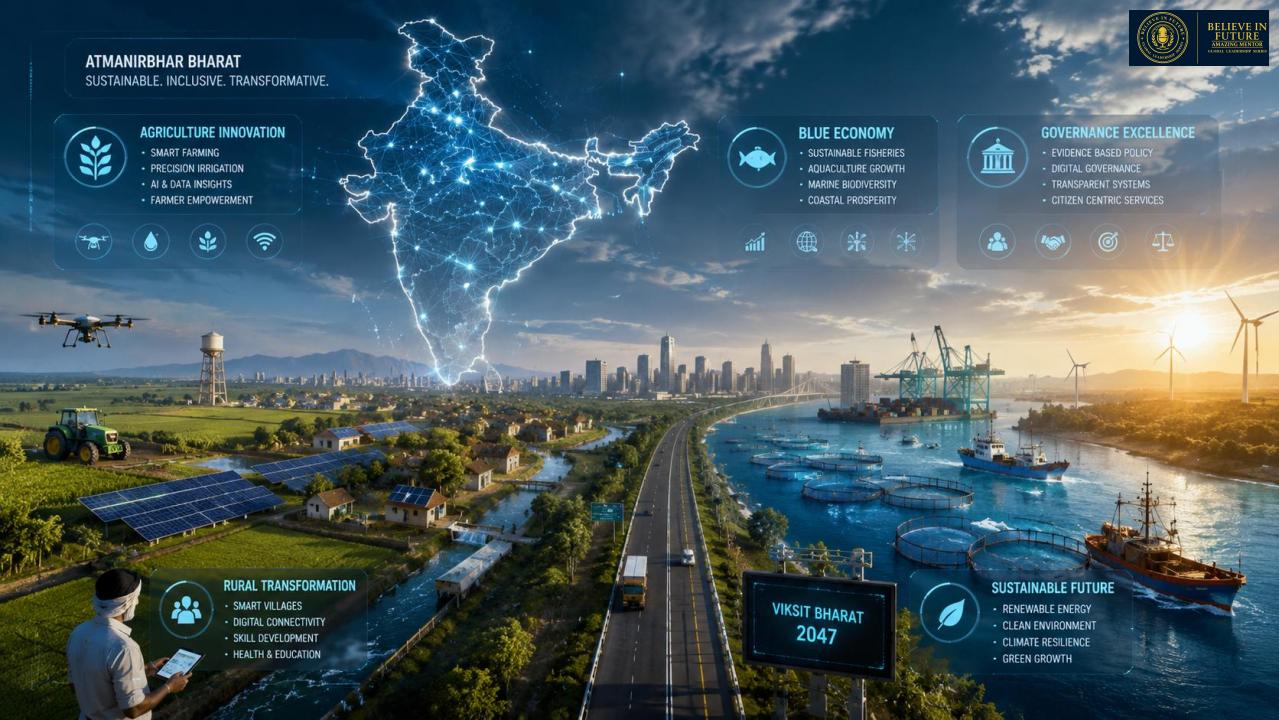
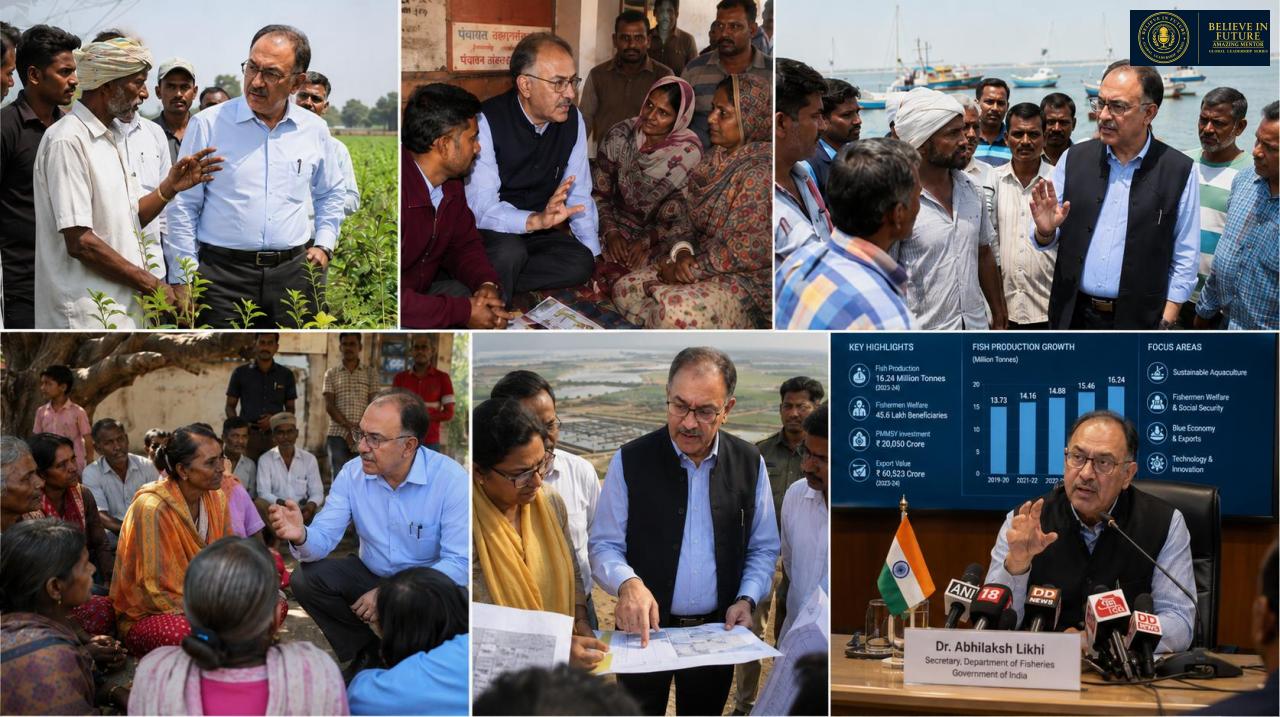
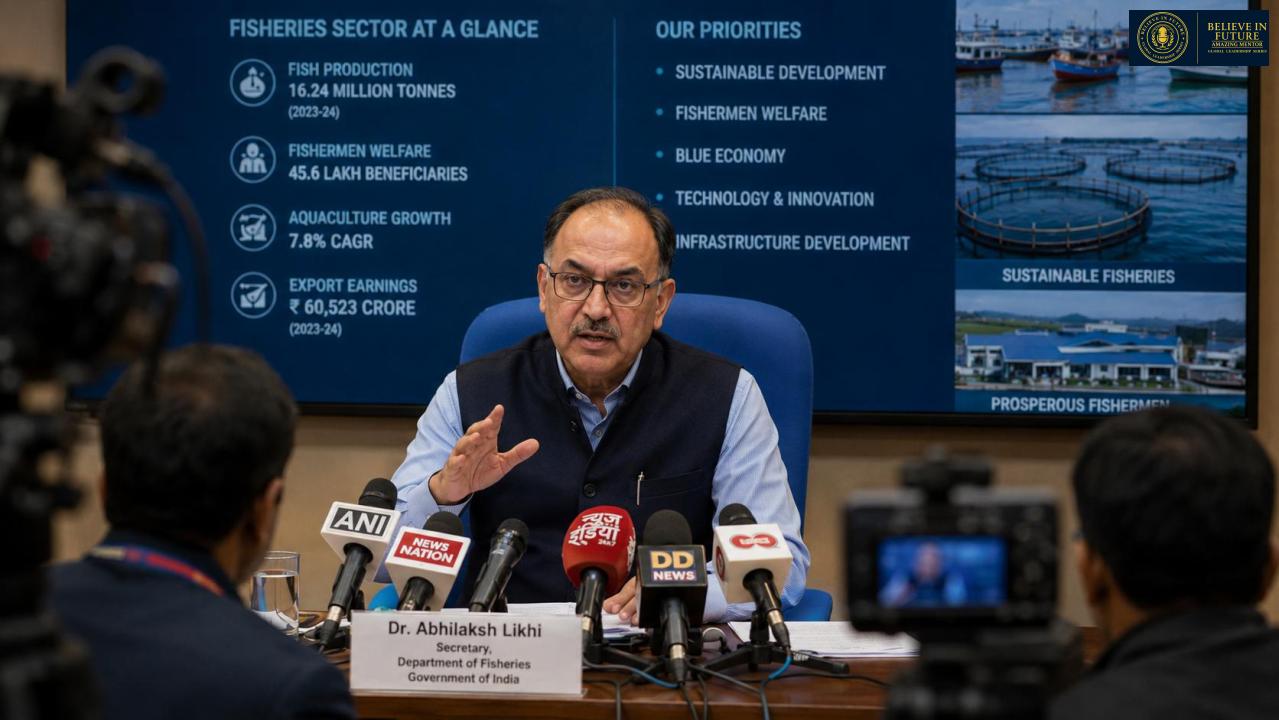
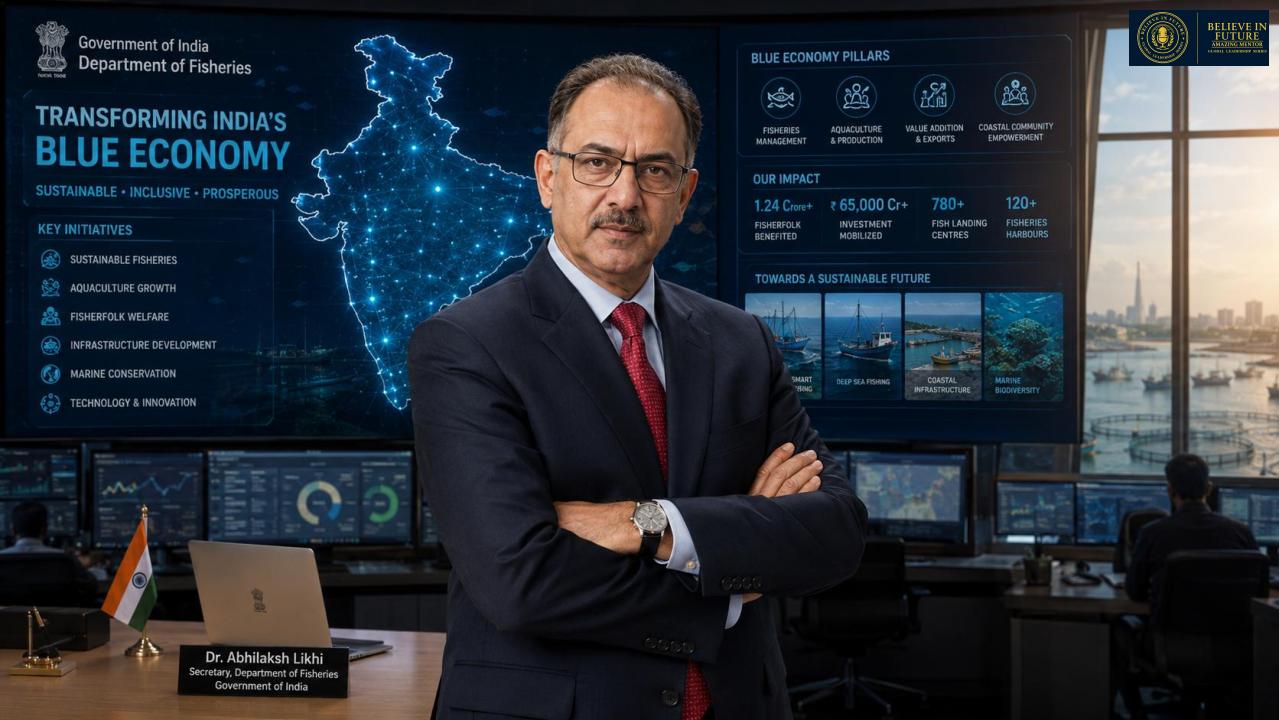
Since 2018, he has been serving on deputation with the Government of India, contributing to national policy formulation and implementation. Currently serving as Secretary, Department of Fisheries, Government of India, Dr. Likhi is spearheading initiatives focused on fisheries modernization, sustainable aquaculture, food security, rural livelihoods, and the development of India's Blue Economy.
Known for combining grassroots governance experience with strategic policy thinking, he has consistently worked toward strengthening institutions, improving public service delivery, and driving inclusive development. His career reflects a rare blend of administrative leadership, development expertise, and long-term nation-building vision.
Dr. Abhilaksh Likhi is one of India's most accomplished civil servants, whose distinguished career spans more than three decades across grassroots administration, state governance, and national policy leadership. As a 1991 Batch IAS Officer of the Haryana Cadre and currently Secretary, Department of Fisheries, Government of India, he has dedicated his career to building institutions, empowering communities, and creating sustainable development frameworks that impact millions of citizens across the country.
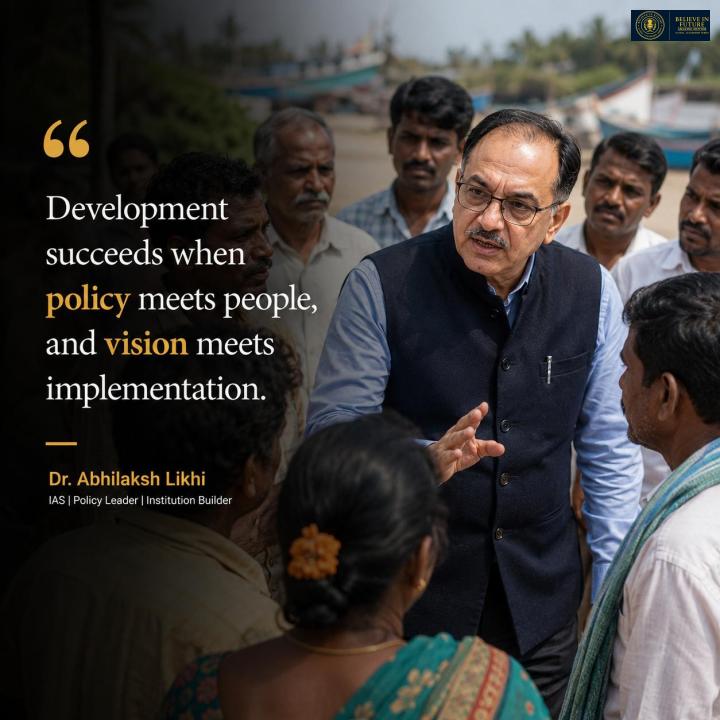
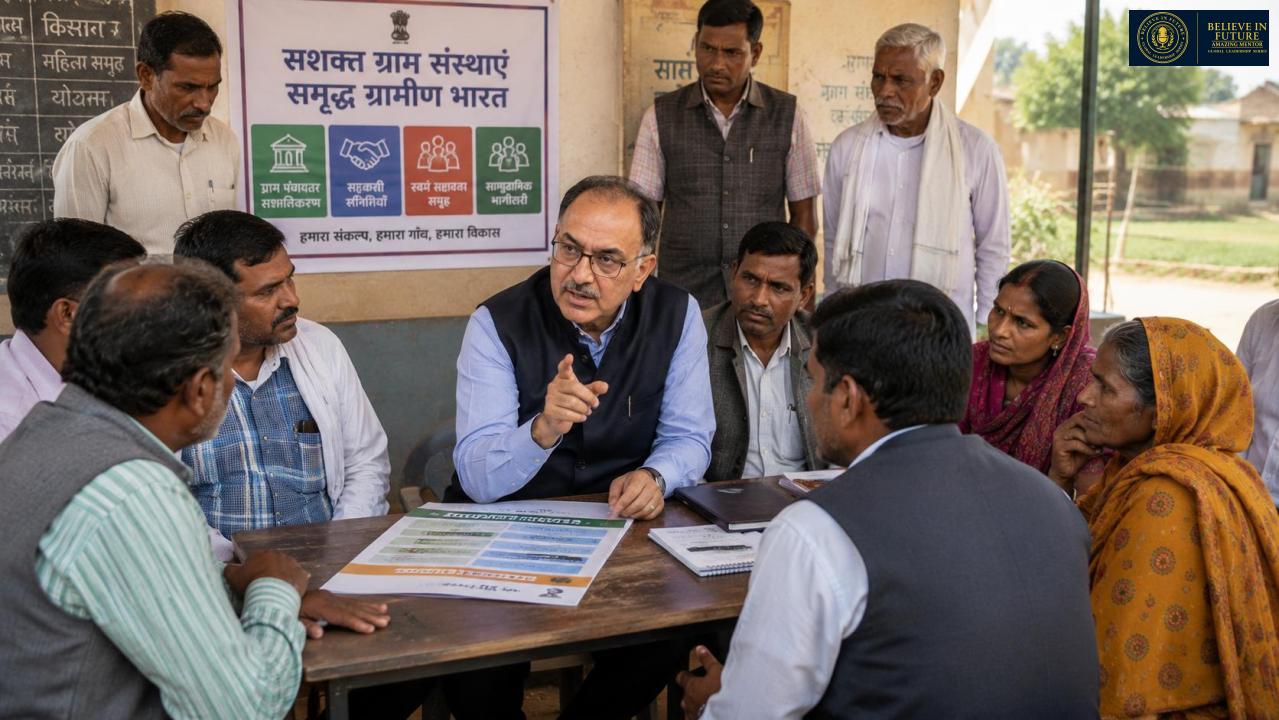
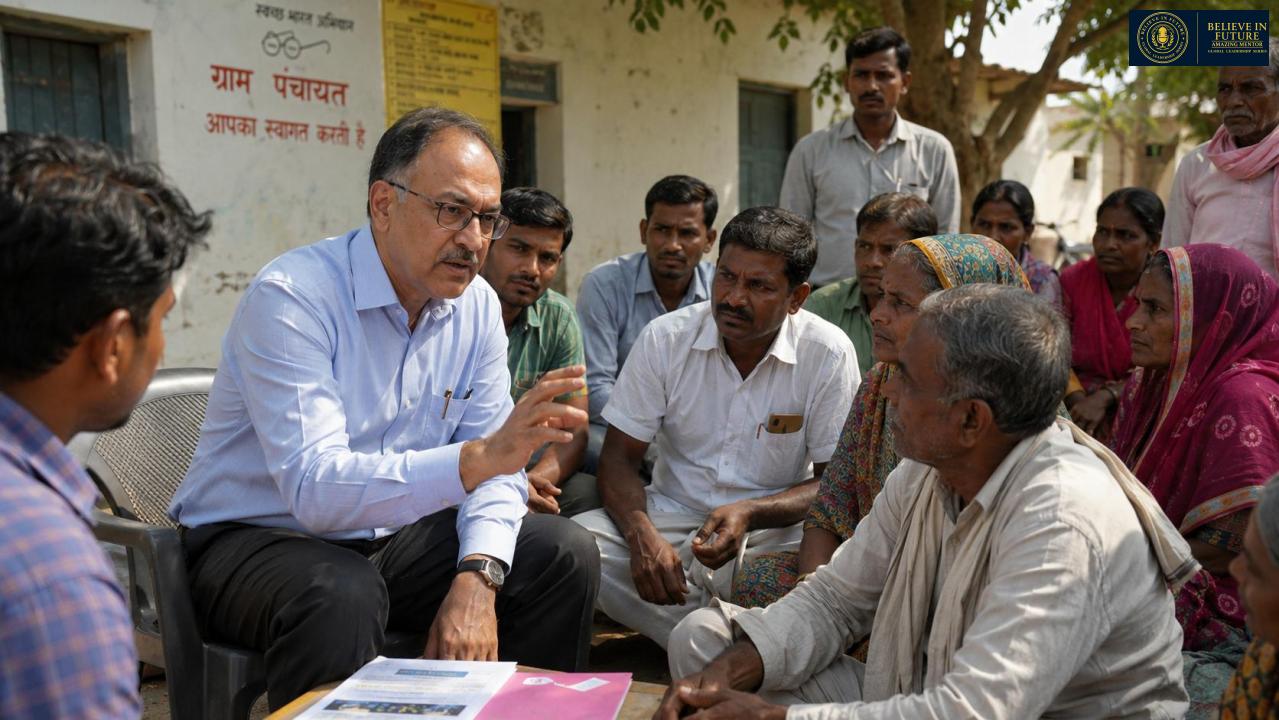
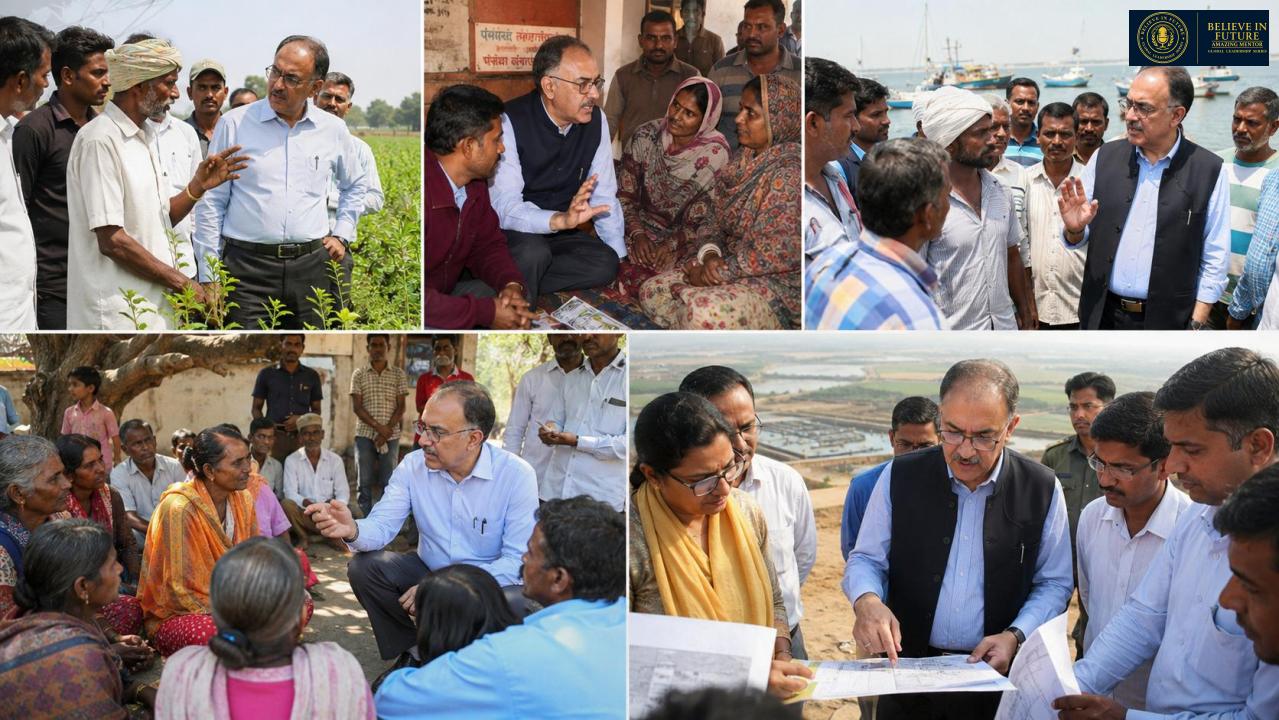
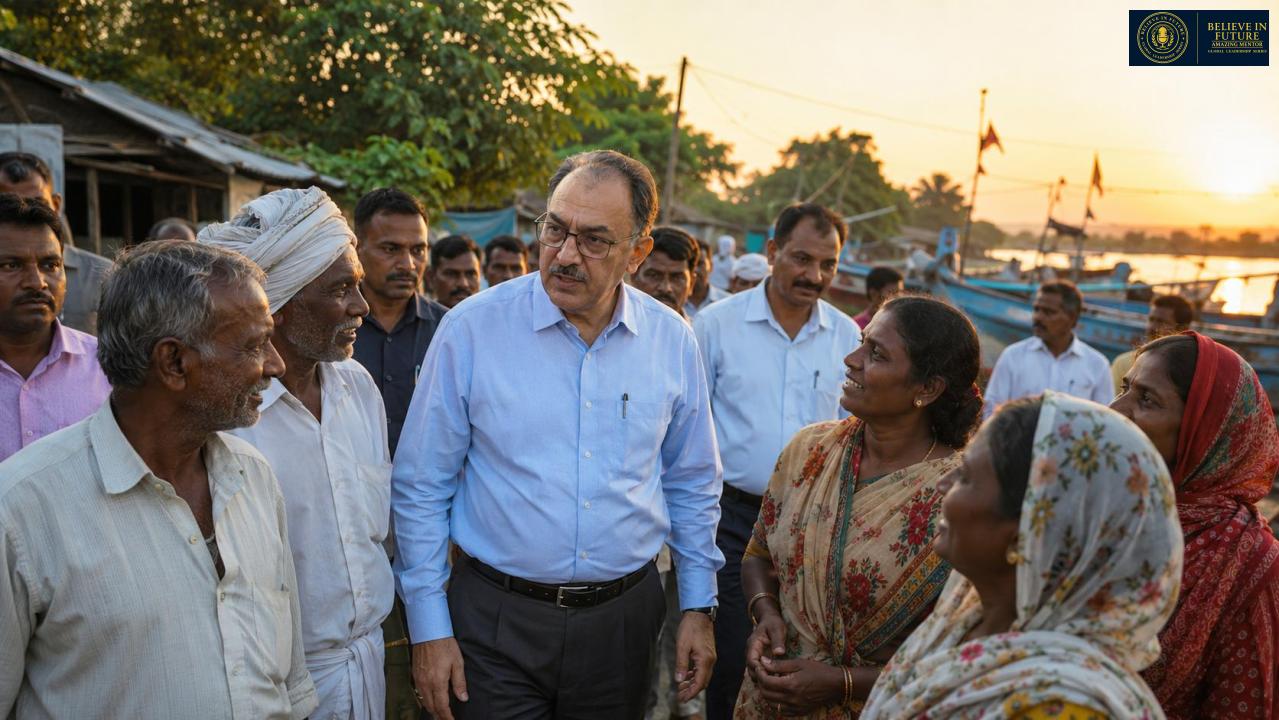
Leadership is often measured by visibility, but Dr. Abhilaksh Likhi's journey demonstrates the power of quiet transformation. Beginning his career in district administration, he worked closely with citizens, farmers, rural communities, and local institutions, gaining firsthand insight into the challenges and aspirations of India's diverse population. These formative experiences shaped a leadership philosophy centered on empathy, accountability, and evidence-based decision-making. From Rewari and Rohtak to Kurukshetra and Faridabad, he learned that meaningful governance begins with understanding people before designing policies.
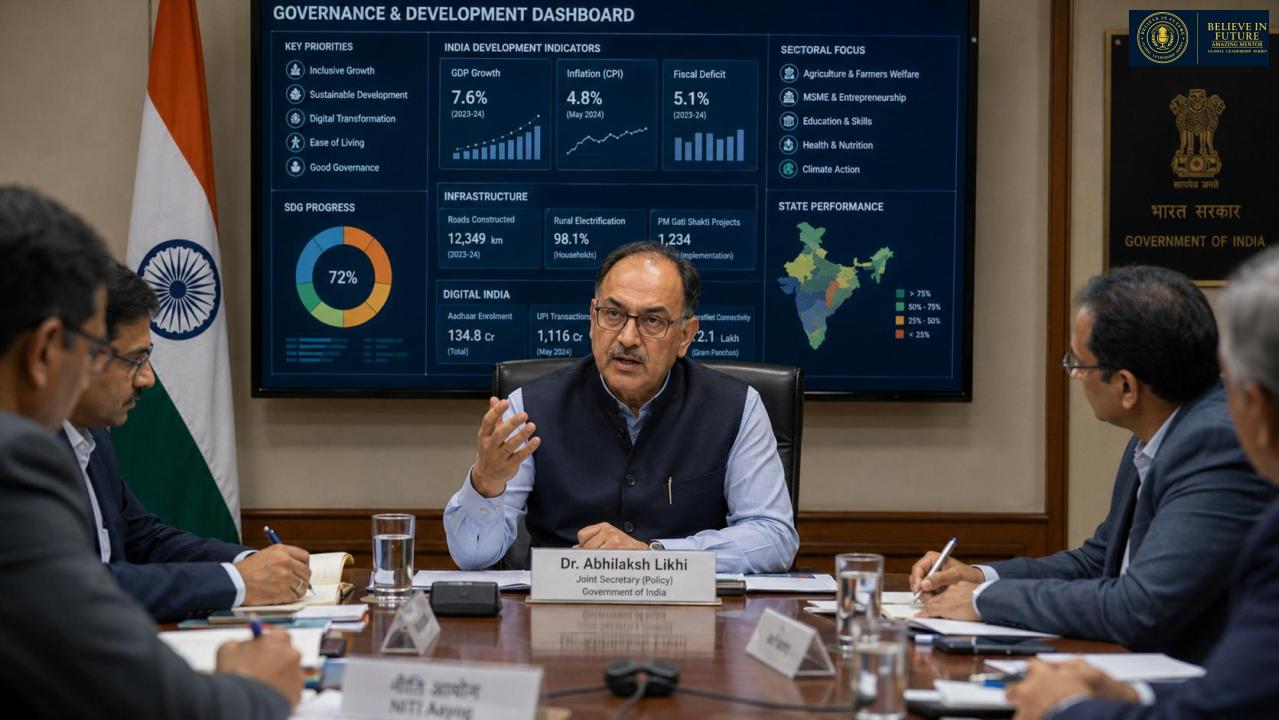
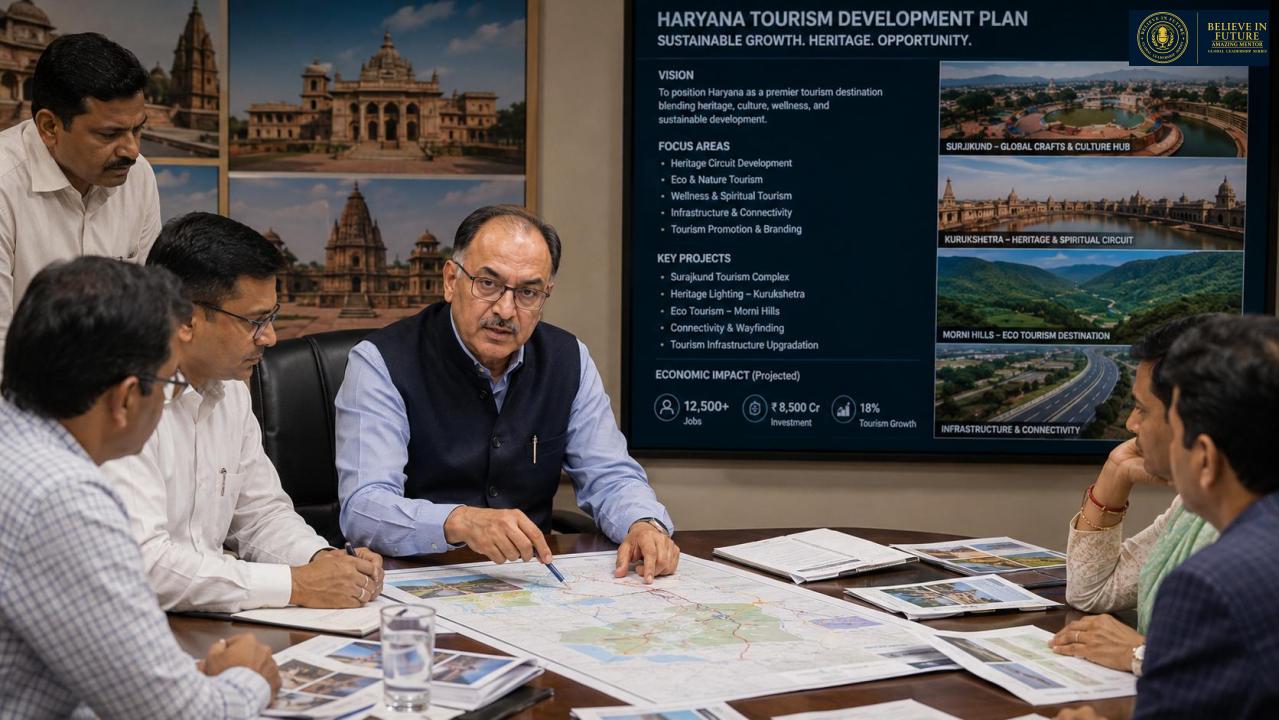
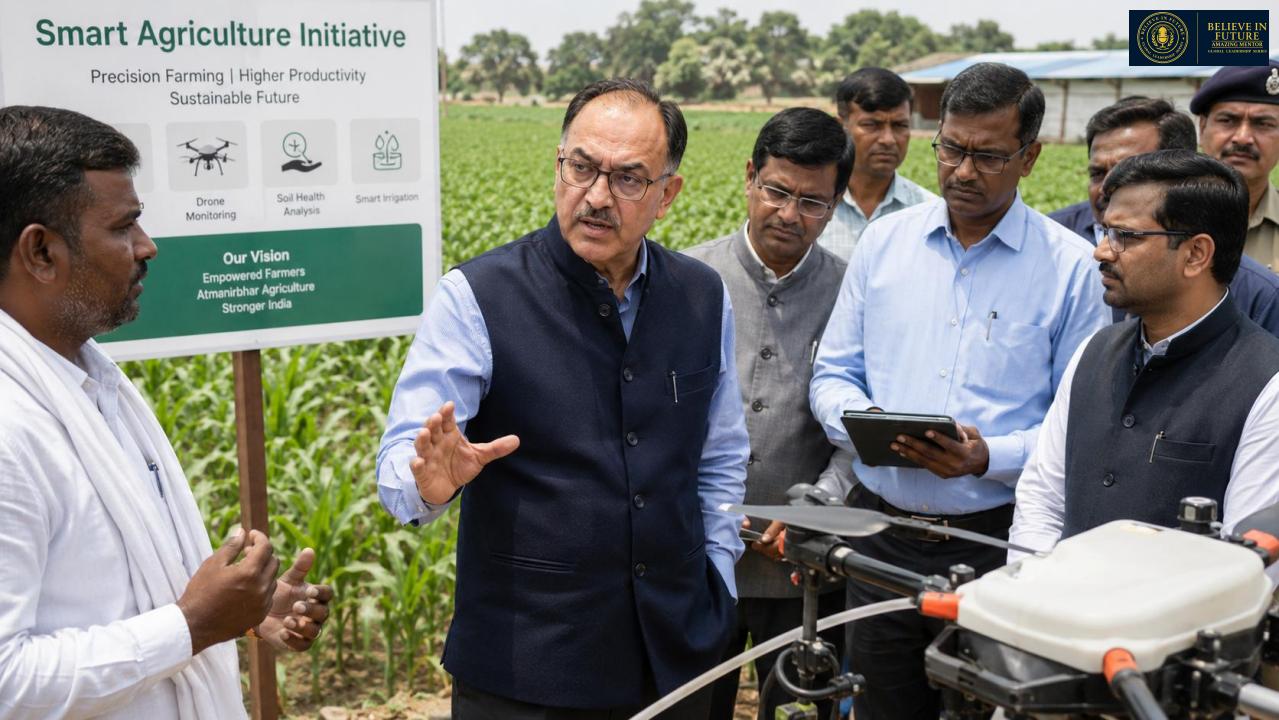
As his responsibilities expanded across Haryana's administration, Dr. Likhi held several strategic leadership positions, including Principal Secretary for Agriculture, Tourism, and Animal Husbandry. During this period, he contributed to policy reforms, institutional strengthening, and development initiatives aimed at improving livelihoods and public service delivery. His ability to bridge administrative efficiency with developmental outcomes earned him recognition as a thoughtful policymaker capable of transforming complex challenges into sustainable solutions. His work consistently reflected a commitment to balancing economic growth with social progress.
Dr. Likhi's transition to national leadership marked a new chapter in his public service journey. Serving in senior positions within the Government of India, he became deeply involved in shaping policies that influence sectors critical to India's future. As Secretary, Department of Fisheries, he has been at the forefront of advancing the Blue Economy, modernizing fisheries infrastructure, promoting sustainable aquaculture, and strengthening livelihoods for fishing communities. Under his leadership, the sector has increasingly been recognized as a vital contributor to food security, employment generation, exports, and inclusive economic growth.
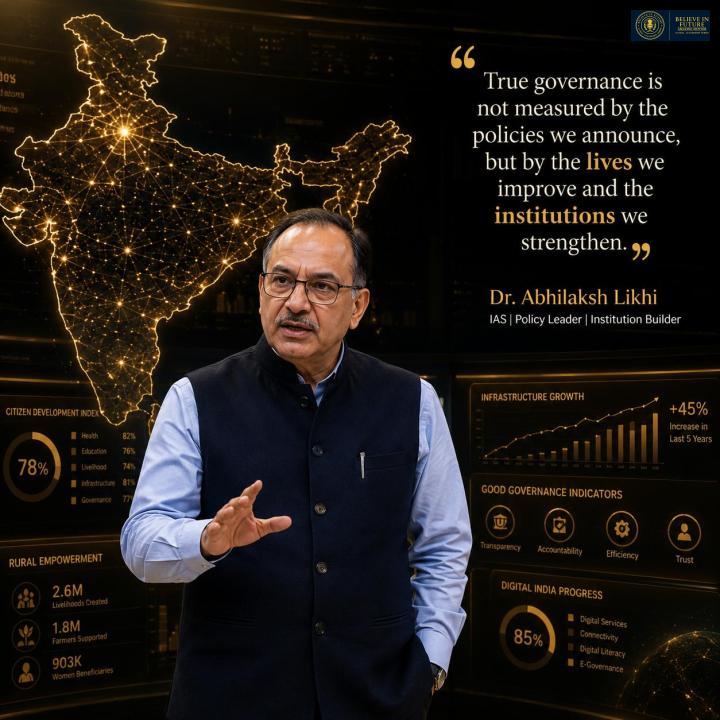
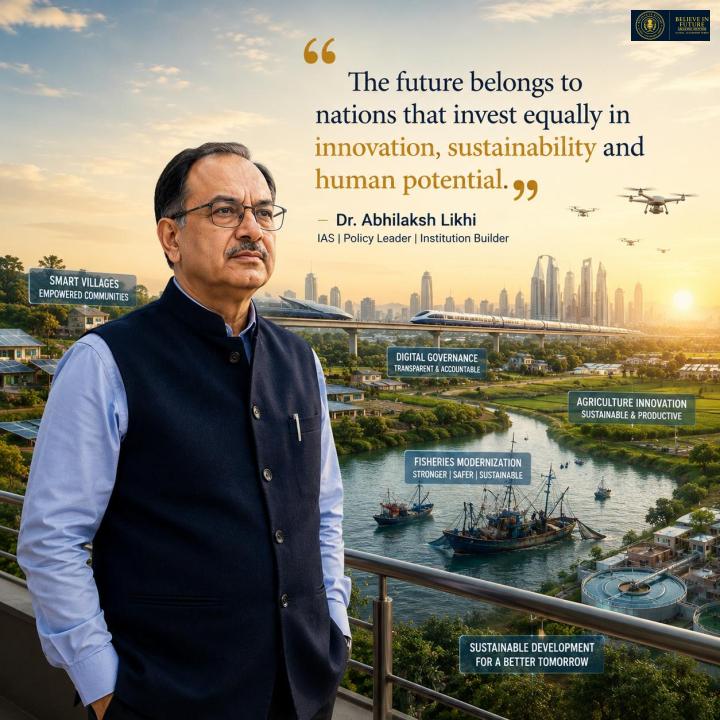
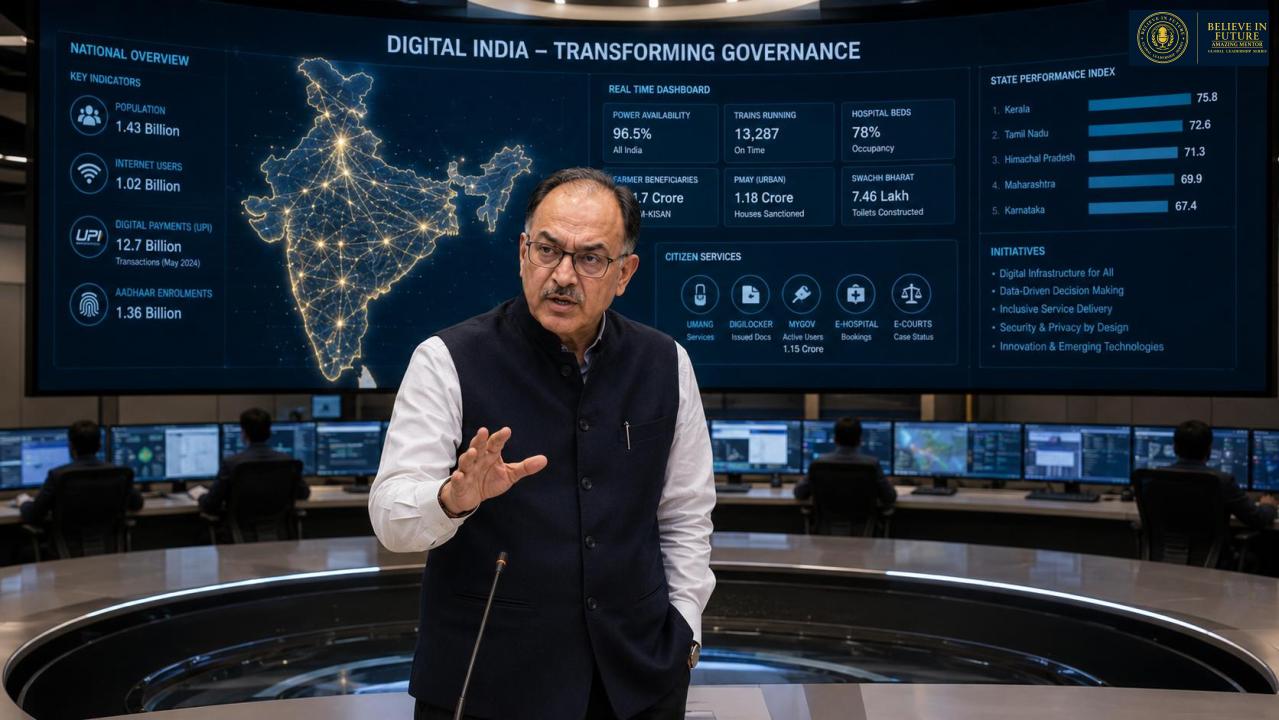
What distinguishes Dr. Likhi is his ability to connect long-term national vision with practical implementation. Throughout his career, he has advocated for governance that is citizen-centric, technology-enabled, and institution-driven. His work reflects a belief that sustainable development requires collaboration between government, communities, and industry stakeholders. Whether working in rural development, agriculture, public administration, or fisheries, he has consistently focused on creating systems that endure beyond individual tenures and contribute to India's long-term transformation.